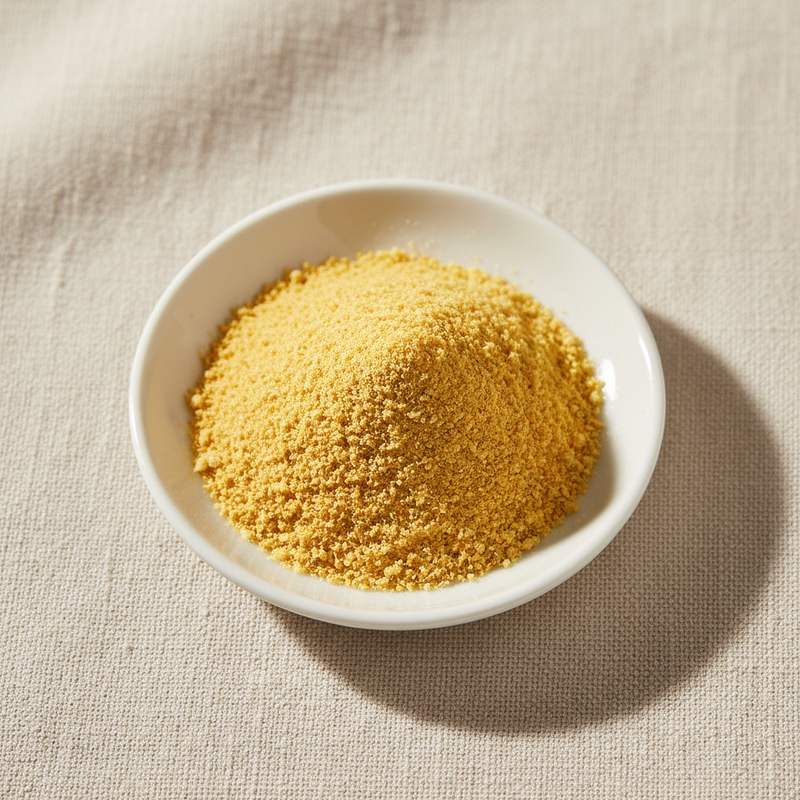
Description
Lemon Powder is a pale yellow to off-white free-flowing powder produced from lemon juice or pulp, delivering the characteristic citrus tartness, bright aroma, and vitamin C content of fresh lemons in a stable, easy-handling format.
Production is by spray drying with a maltodextrin or gum arabic carrier to manage the high acidity and sugar content of lemon juice during atomization. The resulting powder is highly soluble and stable across a wide pH range. Premium freeze-dried lemon powder retains a higher level of native volatile aroma compounds.
Natural citric acid content of 5 to 7 percent in dried solids supports both flavor and shelf stability in finished products.
We supply food-grade Lemon Powder from manufacturers in China holding ISO, HACCP, BRC, Halal, Kosher and other certifications relevant to the product and production.
Common market grades include spray-dried lemon juice powder for beverage and bakery applications, spray-dried lemon pulp powder with peel content for higher fiber and oil notes, freeze-dried whole-lemon powder for premium use, and lemon peel powder for seasoning and confectionery. Bulk and reduced-MOQ shipments. Batch-level COA covering acidity, vitamin C, microbiology, and heavy metals.
Introduction
Lemons originated in Southeast Asia and were carried across the Mediterranean by Arab traders in the medieval period. They are now produced commercially in India, Mexico, Argentina, Spain, Turkey, China, and the United States.
Industrial lemon powder is produced from juice or pulp by spray drying. Because lemon juice is both acidic and high in soluble sugars, it tends to be sticky and difficult to atomize without a carrier such as maltodextrin or gum arabic. Modern spray driers handle this with cooled chamber walls and precisely controlled inlet and outlet temperatures.
Vitamin C content is the dominant nutritional claim. Native citric acid (approximately 5 to 7 percent of dry solids) plus residual essential-oil notes from cold-pressed peel give the powder its characteristic sensory profile. The amount of peel content in the source material determines the intensity of these top notes.
Lemon powder is one of the most widely used citrus ingredients in the bakery, beverage, and confectionery industries because it delivers consistent acidity, flavor, and color without the handling, shelf-life, and seasonality issues of fresh juice.
Where it is used
- Instant beverage powders, powdered iced-tea mixes, and lemonade formulations
- Bakery products: lemon cakes, cookies, frostings, and glazes
- Confectionery including hard candies, gummies, and sour candy coatings
- Seasoning blends and dry rubs for poultry and fish
- Dairy and dessert flavoring for yogurt, sorbet, and ice cream
- Nutritional supplements and vitamin C fortification
- Clean-label flavoring and natural acidity adjustment
- Cocktail mix powders and bartender ingredient kits
Technical data
| Item | Specification |
|---|---|
| Appearance | Pale yellow to off-white free-flowing powder |
| Source | Citrus limon juice or pulp |
| Moisture | ≤ 5.0% |
| Particle size | 80 mesh pass ≥ 95% |
| Citric acid (dry basis) | ≥ 5.0% |
| Solubility | ≥ 95% |
| pH (1% solution) | 2.5 to 3.5 |
| Vitamin C | Native content per batch |
| Heavy metals (as Pb) | ≤ 0.5 mg/kg |
| Arsenic | ≤ 0.5 mg/kg |
| Total plate count | ≤ 10,000 cfu/g |
| Yeast and mold | ≤ 100 cfu/g |
| Salmonella | Absent in 25 g |
Related ingredients
Ready to discuss business?
Send us your spec and requirement. We will respond with availability and pricing within 24 hours.