Description
A non-ionic cellulose ether produced by reaction of cellulose with ethylene oxide. Provides cold-water solubility, broad pH stability, and non-thermal gelation, distinguishing it from HPMC and MC which gel on heating.
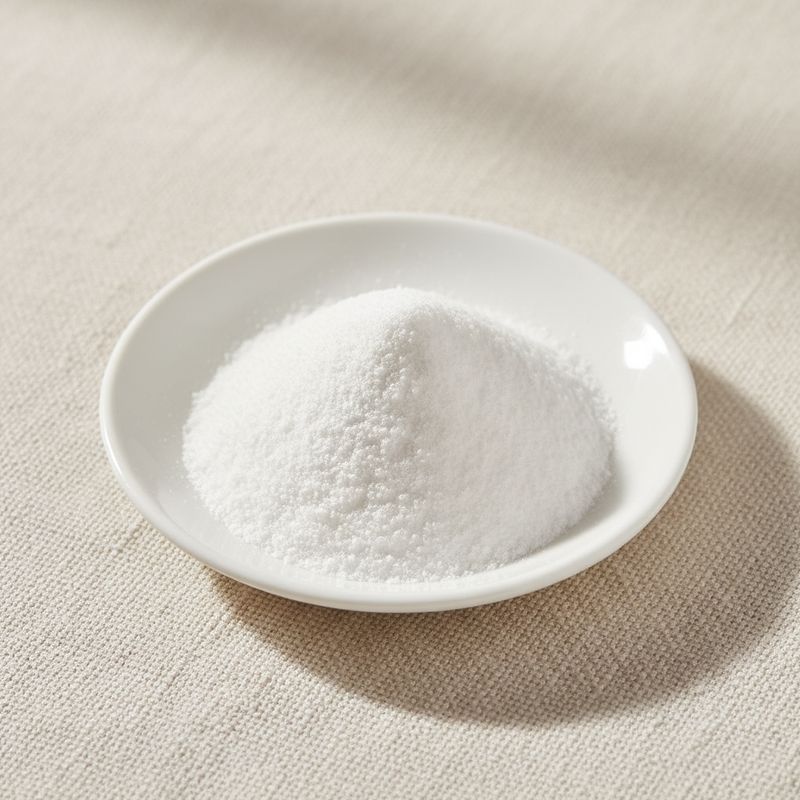
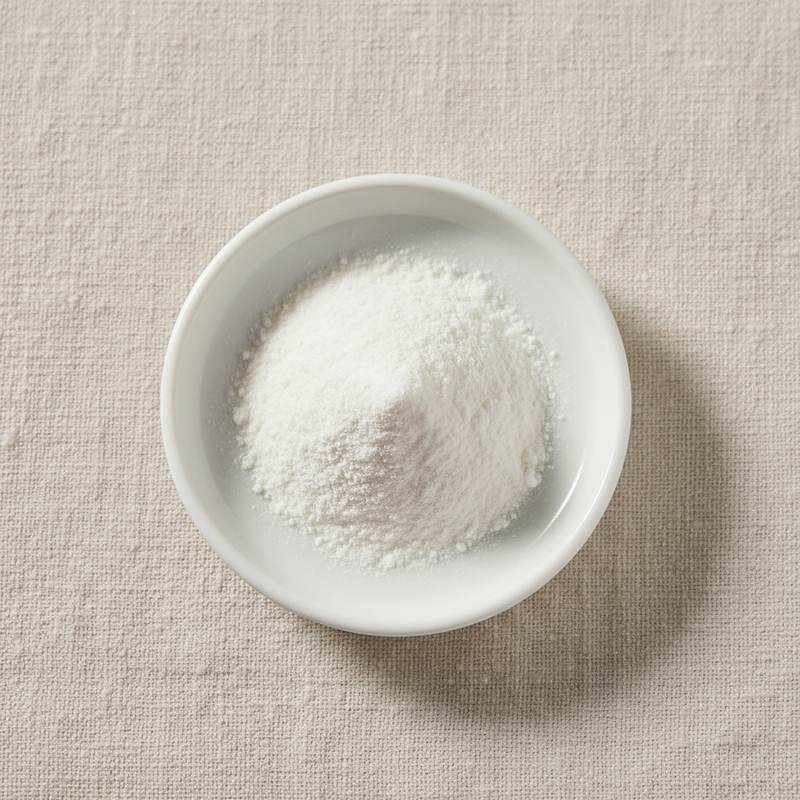
White to off-white free-flowing powder. Soluble in cold and hot water. Forms clear, viscous solutions with pseudo-plastic flow behavior.
We supply HEC in food-permitted and personal-care grades from manufacturers in China holding ISO, Halal, Kosher and other certifications relevant to the product and production.
Common market grades cover viscosity ranges from 5 mPa-s to over 100,000 mPa-s at 2 percent solution. Particle size and dissolution profile are tunable for application requirements.
Bulk and reduced-MOQ shipments. Batch-level COA covering viscosity, hydroxyethyl substitution, heavy metals, and microbiology.
Introduction
HEC was developed in the mid-20th century as a non-ionic alternative to ionic cellulose ethers such as CMC. Its non-ionic character provides stability across pH 2 to 12 and tolerance to electrolytes at concentrations that would precipitate ionic thickeners.
The molecule is produced by reaction of alkali cellulose with ethylene oxide, introducing hydroxyethyl groups at the cellulose hydroxyl positions. Molar substitution and viscosity grade together determine the rheological profile.
The dominant commercial application is personal-care formulation, where HEC's clear gel formation, salt tolerance, and broad pH stability suit shampoos, body washes, and skin-care gels. Latex paints constitute the second-largest application.
Food applications are limited in some jurisdictions but permitted in others. Customers should verify regulatory status in their target markets before formulating into food.
Where it is used
- Personal care: shampoos, body washes, conditioners, and lotions (the principal commercial application)
- Cosmetic gels and serums
- Pharmaceutical ophthalmic solutions and lubricating drops
- Latex paint and coating thickening
- Oil-field drilling fluids and cementing applications
- Construction tile adhesives
- Specialty food applications (in jurisdictions where permitted)
- Water-based ink thickening
Technical data
| Item | Specification |
|---|---|
| Appearance | White to off-white powder |
| Hydroxyethyl molar substitution | 1.5 to 2.5 |
| Viscosity (2% solution, 25 °C) | Per grade specification |
| Loss on drying | ≤ 5.0% |
| pH (1% solution) | 6.0 to 8.5 |
| Residue on ignition | ≤ 5.0% |
| Heavy metals (as Pb) | ≤ 10 mg/kg |
| Ethylene glycol residue | ≤ 250 mg/kg |
| Total plate count | ≤ 1000 cfu/g |
Related ingredients
Ready to discuss business?
Send us your spec and requirement. We will respond with availability and pricing within 24 hours.