Description
A free-flowing powder produced by spray-drying liquid honey with food-grade carriers, typically maltodextrin or rice starch, to convert a sticky liquid into a dry, dosable ingredient. Standard formulations contain 50 to 80 percent honey solids with the remainder as carrier. Carrier-free 100% pure honey powders are also produced through specialized drying processes and command a price premium.
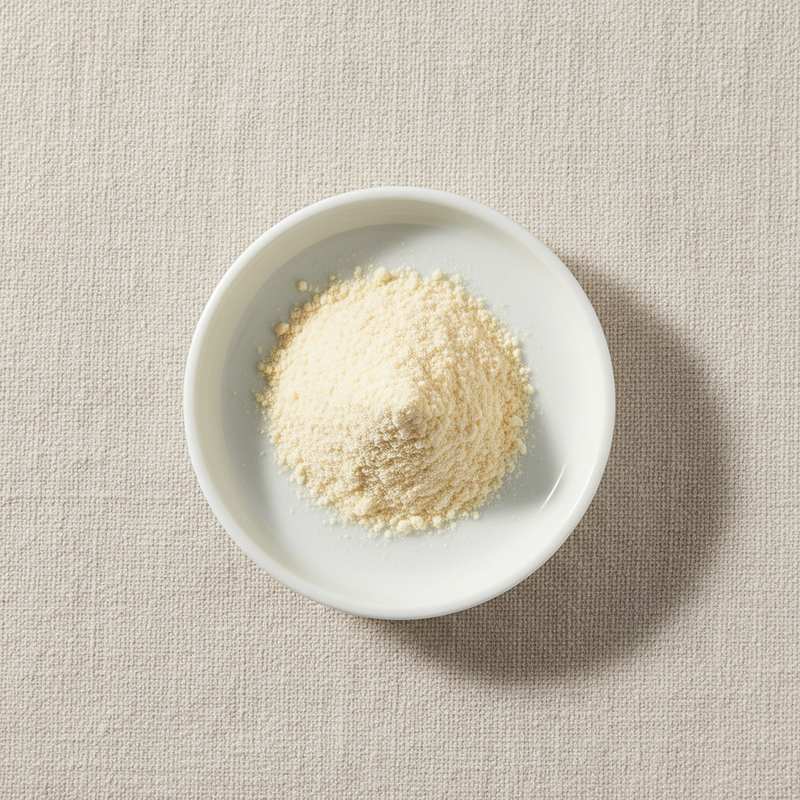
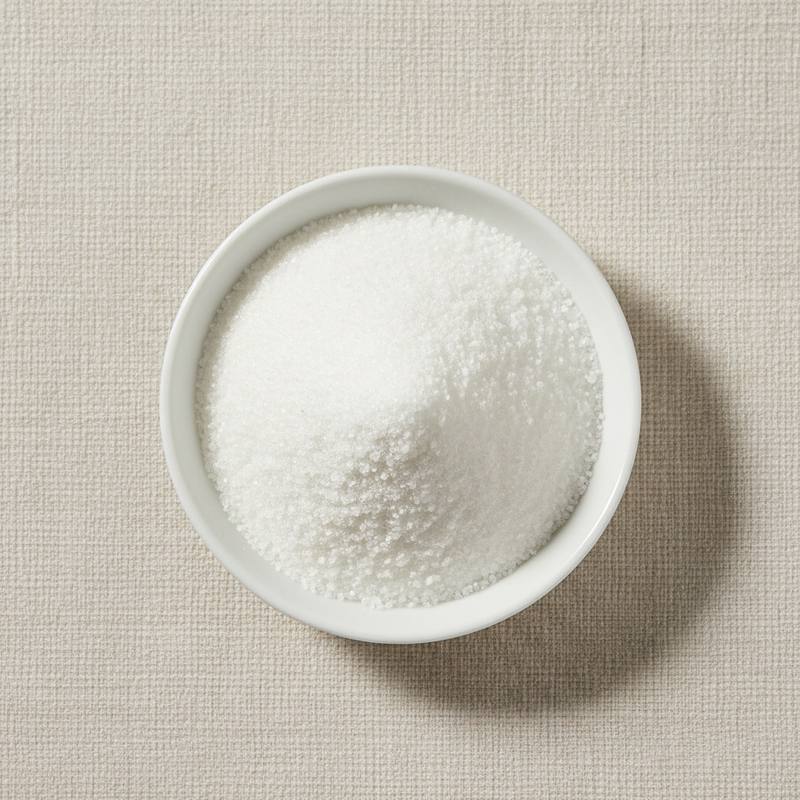
Cream to pale tan free-flowing powder with the characteristic floral aroma of honey, retained through the drying step. Disperses readily in water and rehydrates into a honey-flavored solution for beverage and reconstituted-product applications.
We supply food-grade Honey Powder from manufacturers in China holding ISO, Halal, Kosher, USDA Organic, and other certifications relevant to the product and production.
Common market grades include Honey Powder 50% (low-cost carrier-loaded), Honey Powder 75% (industry standard), Honey Powder 80% (premium grade), and 100% Pure Honey Powder for clean-label and natural-flavor applications.
Bulk and reduced-MOQ shipments. Batch-level COA covering honey solids, moisture, sugars profile, HMF, heavy metals, and microbiology.
Introduction
Spray-dried honey powder was developed in the second half of the 20th century to solve a packaging and handling problem: liquid honey is sticky, hygroscopic, prone to crystallization, and difficult to incorporate into dry industrial blends. Drying with a carrier converts honey into a free-flowing powder that ships, stores, and doses like sugar.
Production starts with liquid honey filtered and standardized to a defined moisture and sugar profile. The honey is blended with a food-grade carrier, then atomized through a spray-drying tower under controlled temperature. The drying conditions must be tightly managed to preserve the volatile aromatics that define honey character while reducing the finished powder to a defined moisture content. Carrier-free production uses specialized vacuum-drying or freeze-drying processes and achieves 100 percent honey content at substantially higher cost.
Regulated as a food ingredient with no E-number. Carrier-containing products must declare both honey and the carrier on the ingredient label in major regulatory jurisdictions. Pure honey powder may be labeled simply as honey. Adulteration testing for added syrups (rice, corn, beet) is increasingly important and is supported by SCIRA and NMR fingerprinting methods.
The strategic value of Honey Powder is logistic. It delivers honey flavor and natural-sweetener positioning into product formats where liquid honey cannot be used, including dry retail blends, snack seasonings, instant beverages, and shelf-stable dry mixes. The honey-solids percentage and label claim (honey flavored vs made with real honey) map directly to formulation cost and consumer-facing premium.
Where it is used
- Dry mixes including baking blends, instant beverages, and snack seasonings
- Cereals, granolas, and breakfast bars with honey flavor and natural sweetness
- Bakery applications including honey-flavored breads, cookies, and pastries
- Tea and coffee instant beverage powders; honey notes without liquid handling
- Sauces, marinades, and glazes in dry-blend retail and food-service applications
- Confectionery: honey-flavored hard candies, lozenges, and chewing gum
- Pharmaceutical and nutraceutical products positioned with honey claims
- Pet treats and palatants for premium dog and cat food formulations
Technical data
| Item | Specification |
|---|---|
| Appearance | Cream to pale tan free-flowing powder |
| Honey solids | 50%, 75%, 80%, or 100% per grade |
| Moisture | ≤ 3.0% |
| Sucrose | ≤ 5.0% |
| HMF | ≤ 40 mg/kg |
| Diastase activity | Per honey-solids grade |
| Heavy metals (as Pb) | ≤ 1 mg/kg |
| Total plate count | ≤ 10,000 CFU/g |
| Yeasts and molds | ≤ 100 CFU/g |
| E. coli, Salmonella | Negative |
Related ingredients
Ready to discuss business?
Send us your spec and requirement. We will respond with availability and pricing within 24 hours.