Description
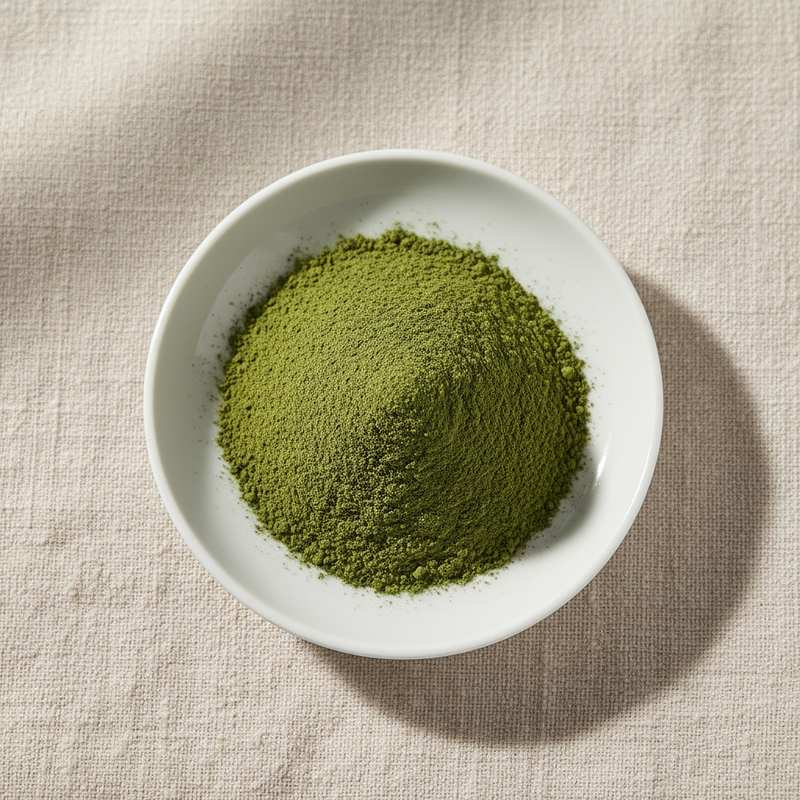
Hemp Protein is extracted from dehulled hemp seeds (Cannabis sativa, industrial low-THC varieties) and concentrated to 50 to 70 percent protein on a dry basis. A complete plant protein with a digestibility profile led by edestin, a globulin protein closely related to human plasma globulins.
Protein content of 50 percent (concentrate grade) to 70 percent (isolate grade) (Kjeldahl, N x 6.25). Light to medium green free-flowing powder with mild earthy nutty flavor.
The amino acid profile is complete with all essential amino acids represented, leucine and lysine being moderate, with arginine notably high. PDCAAS is approximately 0.5 to 0.6 standalone, supporting whole-protein nutrition when blended with rice or pea proteins.
We supply food-grade Hemp Protein from manufacturers in China holding ISO, HACCP, Halal, Kosher, non-GMO, organic-compliant and other certifications relevant to the product and production. THC content is verified below regulatory thresholds.
Common market grades include 50 percent protein hemp concentrate (the dominant whole-food grade with retained fiber), 70 percent hemp isolate (for higher-protein supplements), and organic-certified material from segregated industrial hemp. Bulk and reduced-MOQ shipments. Batch-level COA covering protein, moisture, fat, ash, THC, heavy metals, and microbiology.
Introduction
Industrial hemp has been cultivated for fiber and seed for at least 6,000 years. Modern commercial hemp food production scaled following the regulatory liberalization of low-THC industrial hemp in Canada (1998), the EU, and the United States (2018 Farm Bill).
Manufacturing begins with dehulled hemp seeds. The seeds are cold-pressed to extract hemp oil, leaving a defatted hemp seed cake. The cake is milled and either marketed directly as a 50 percent protein hemp concentrate or further refined by alkaline extraction and isoelectric precipitation to produce a 65 to 70 percent hemp protein isolate.
Recognized as a permitted food ingredient by the U.S. FDA (hulled hemp seed and its derivatives received GRAS status in 2018), regulated under EU novel food and hemp seed frameworks, and approved for food use in major markets with THC content below regulatory limits.
Amino acid quality positioning: complete protein with the unique presence of edestin, an easily digestible globulin protein, supplemented by albumin. The combined digestibility supports whole-food protein claims at moderate inclusion.
Strategic positioning: hemp protein occupies a clean-label whole-food premium niche in the plant-protein market, valued for its sustainability profile, organic availability, fiber content in concentrate grades, and natural marketing story.
Where it is used
- Plant-based protein powders and vegan supplements, often as a clean-label whole-food protein
- Plant-based dairy and beverage alternatives
- Bakery fortification: high-fiber breads, muffins, and crackers
- Nutrition bars and high-protein snacks with whole-food positioning
- Smoothie and shake mixes
- Cereal and granola fortification
- Clean-label and organic supplement formulations
- Pet food: limited-ingredient and natural diets
Technical data
| Item | Specification |
|---|---|
| Appearance | Light to medium green free-flowing powder |
| Protein content (Kjeldahl, N x 6.25, dry basis) | ≥ 50.0% (concentrate) or ≥ 70.0% (isolate) |
| Moisture | ≤ 8.0% |
| Fat | ≤ 10.0% |
| Ash | ≤ 8.0% |
| Crude fiber | ≤ 12.0% (concentrate); ≤ 3.0% (isolate) |
| THC content | Below regulatory threshold per destination market |
| Particle size | 95% through 80 mesh, or per customer specification |
| Lead (Pb) | ≤ 0.5 mg/kg |
| Arsenic (As) | ≤ 0.5 mg/kg |
| Cadmium (Cd) | ≤ 0.5 mg/kg |
| Total plate count | ≤ 30,000 CFU/g |
| Salmonella | Absent in 25 g |
| Allergen statement | Free from the eight major U.S. allergens and the 14 EU declarable allergens. |
| Source | Industrial hemp seed (Cannabis sativa), non-GMO; organic available |
Related ingredients
Ready to discuss business?
Send us your spec and requirement. We will respond with availability and pricing within 24 hours.