Description
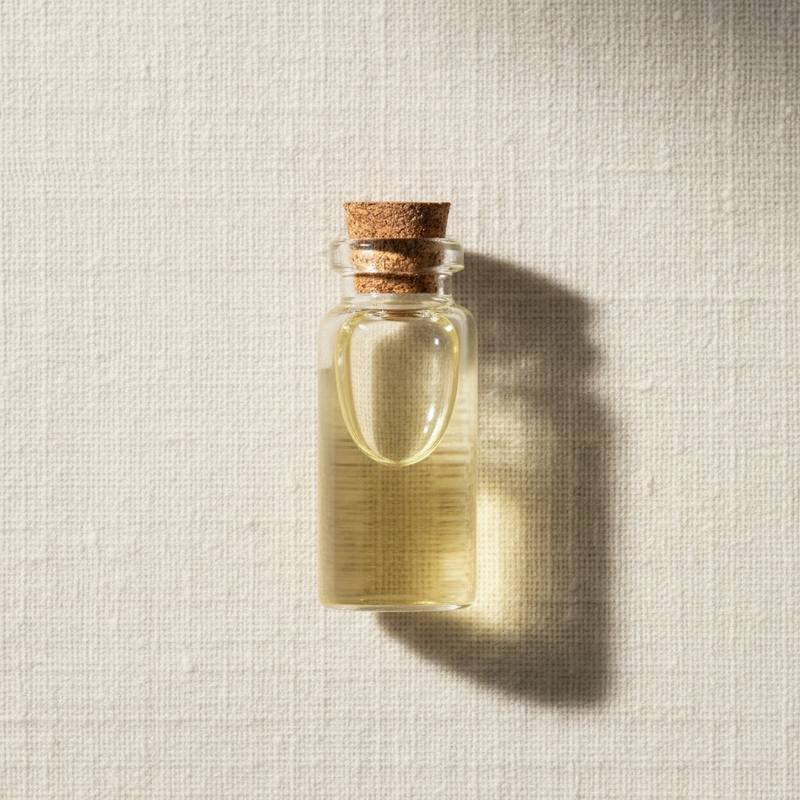
Grapefruit Oil is a food-grade citrus essential oil obtained by cold-pressing the peel of Citrus paradisi. The oil delivers the distinctive bittersweet citrus aroma associated with grapefruit-flavored beverages and personal care products.
Yellow to greenish-yellow mobile liquid with the characteristic fresh, slightly bitter grapefruit peel aroma. Limonene typically constitutes 88 to 95 percent of the oil, with the trace sesquiterpene nootkatone (0.1 to 0.8 percent) providing most of the species-specific grapefruit character.
We supply food-grade Grapefruit Oil from manufacturers and traders holding ISO, Halal, Kosher and other certifications relevant to the product and production. White, pink, and ruby grapefruit varietal oils are available depending on flavor profile required.
Common market grades include Cold-Pressed White Grapefruit, Cold-Pressed Pink Grapefruit, Folded 5x and 10x grades, and Terpene-Reduced Grapefruit Oil for water-soluble beverage applications.
Bulk and reduced-MOQ shipments. Batch-level COA covering specific gravity, refractive index, optical rotation, limonene and nootkatone content by GC, residual pesticides, heavy metals, and microbiology.
Introduction
Citrus paradisi originated as a natural hybrid of pomelo and sweet orange in the Caribbean during the eighteenth century. Commercial cultivation is concentrated in the United States (Florida, Texas, California), South Africa, China, and Israel.
Production proceeds by cold-pressing the peel during juice extraction, followed by centrifugation and winterization. Yield runs approximately 0.5 to 1 percent of fruit weight.
Regulated as Generally Recognized as Safe by the U.S. FDA (21 CFR 182.20), assigned FEMA GRAS number 2530, and approved by JECFA as a flavoring agent.
Principal aroma compounds are limonene (88 to 95 percent), myrcene (1 to 3 percent), and small amounts of pinene, octanal, and decanal. The defining grapefruit character comes from nootkatone, a sesquiterpene ketone present at 0.1 to 0.8 percent, which carries a recognition threshold low enough to dominate the sensory profile despite trace concentration.
Strategic positioning targets the premium and natural beverage segment, where cold-pressed grapefruit oil delivers authenticity that synthetic nootkatone alone does not match, plus the cosmetic and aromatherapy markets where the bright bittersweet aroma supports clean-label personal care positioning.
Where it is used
- Grapefruit-flavored carbonated beverages and sparkling waters
- Sports drinks, energy drinks, and functional beverages with citrus positioning
- Cocktail mixers, hard seltzers, and craft spirits
- Confectionery: grapefruit gummies, hard candies, and breath mints
- Cosmetics and personal care: shampoos, body washes, and natural-positioned toiletries
- Frozen desserts: grapefruit sorbets and granitas
- Salad dressings and citrus marinades
- Aromatherapy and wellness blends for uplifting and weight-management positioning
Technical data
| Item | Specification |
|---|---|
| Appearance | Yellow to greenish-yellow mobile liquid |
| Specific gravity (20 °C) | 0.850 to 0.858 |
| Refractive index (20 °C) | 1.471 to 1.475 |
| Optical rotation (20 °C) | +91° to +96° |
| Limonene content (GC) | 88.0% to 95.0% |
| Nootkatone content (GC) | 0.1% to 0.8% |
| Solubility in 90% ethanol | 1 vol in 10 vol clear solution |
| Heavy metals (as Pb) | ≤ 10 mg/kg |
| Arsenic | ≤ 3 mg/kg |
| Source | Cold-pressing of Citrus paradisi peel |
Related ingredients


Ready to discuss business?
Send us your spec and requirement. We will respond with availability and pricing within 24 hours.