Description
Spearmint Oil is a food-grade essential oil obtained by steam distillation of the flowering tops of Mentha spicata. Spearmint delivers a sweeter, softer, less penetrating mint profile than peppermint, dominated by L-carvone rather than menthol.
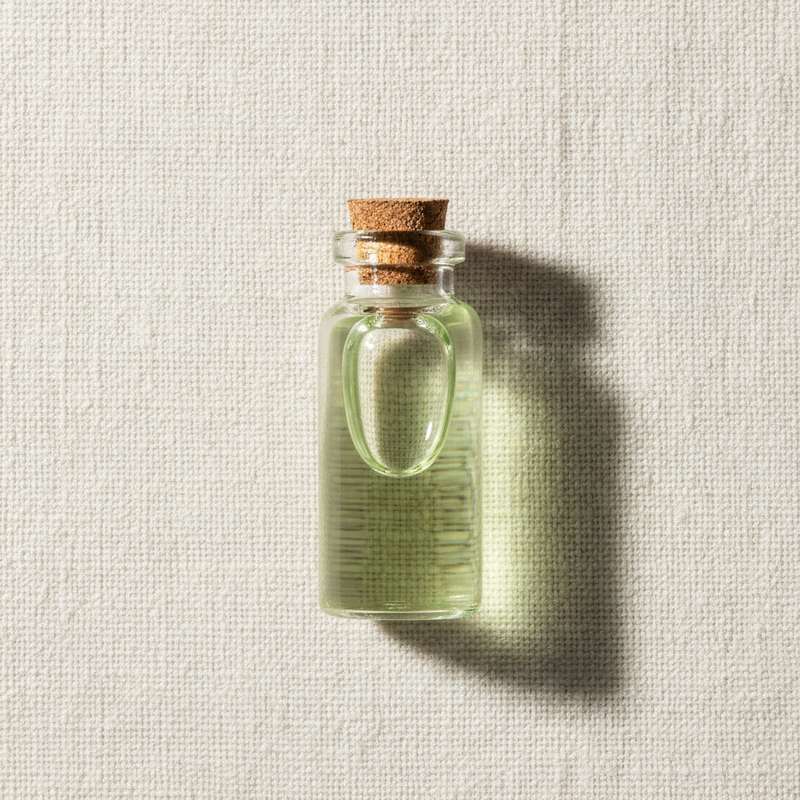
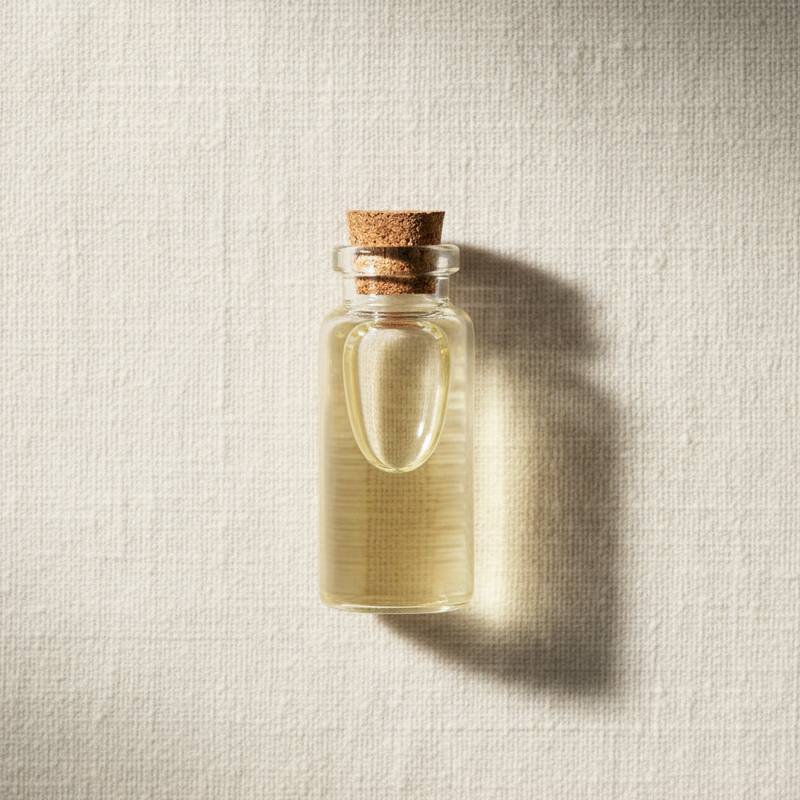
Pale yellow to greenish-yellow mobile liquid with a warm, sweet, herbal mint aroma. Free of the sharp cooling sensation associated with menthol, which makes spearmint the preferred mint for chewing gum and oral care products positioned for a milder taste.
We supply food-grade Spearmint Oil from manufacturers in China holding ISO, Halal, Kosher and other certifications relevant to the product and production. Native and Scotch spearmint sub-types are available depending on flavor profile required.
Common market grades include Native Spearmint (Mentha spicata), Scotch Spearmint (Mentha gracilis), and decolorized grades for clear beverage and toothpaste applications.
Bulk and reduced-MOQ shipments. Batch-level COA covering specific gravity, refractive index, optical rotation, carvone content by GC, heavy metals, and microbiology.
Introduction
Mentha spicata is cultivated commercially across the Midwest United States, Canada, India, and China. Harvest timing during early bloom is critical to carvone yield, and the herb is processed by steam distillation within hours of cutting.
Carvone, the dominant aroma compound at 55 to 75 percent of the oil, is the molecule responsible for the characteristic spearmint odor. The L-(−) enantiomer in spearmint is sensorially distinct from D-(+) carvone in caraway, illustrating how chirality drives flavor identity in essential oil chemistry.
Regulated as Generally Recognized as Safe by the U.S. FDA (21 CFR 182.20), assigned FEMA GRAS number 3032, and recognized by JECFA as a flavoring agent. The European Food Safety Authority lists spearmint oil for flavor use under FL number 02.020.
Principal aroma compounds are L-carvone (55 to 75 percent), limonene (8 to 25 percent), 1,8-cineole, beta-myrcene, and beta-pinene. Carvone content is the primary commercial quality marker.
Strategic positioning targets the chewing gum and toothpaste segments where peppermint's intensity is undesirable, plus the growing natural and clean-label flavor segment in confectionery and beverage development.
Where it is used
- Chewing gum; the second largest mint flavor category after peppermint and the dominant choice in sweet mint positioning
- Toothpaste and mouthwash for products positioned with mild or family-friendly mint profile
- Confectionery: hard candies, lozenges, and chocolate mint creams
- Mojito-style flavor systems for cocktails and beverages
- Sauces and dressings in Middle Eastern, North African, and South Asian cuisines
- Bakery applications: mint-flavored cookies, ice cream toppings, and dessert sauces
- Herbal teas and ready-to-drink tea blends
- Cosmetic and personal care: lip balms, shower gels, and natural-positioned toiletries
Technical data
| Item | Specification |
|---|---|
| Appearance | Pale yellow to greenish-yellow mobile liquid |
| Specific gravity (20 °C) | 0.917 to 0.934 |
| Refractive index (20 °C) | 1.484 to 1.491 |
| Optical rotation (20 °C) | −45° to −60° |
| L-Carvone content (GC) | 55.0% to 75.0% |
| Limonene content (GC) | 8.0% to 25.0% |
| Solubility in 80% ethanol | 1 vol in 1 vol clear solution |
| Heavy metals (as Pb) | ≤ 10 mg/kg |
| Arsenic | ≤ 3 mg/kg |
| Source | Steam distillation of Mentha spicata flowering tops |
Related ingredients
Ready to discuss business?
Send us your spec and requirement. We will respond with availability and pricing within 24 hours.