Description
A polyphenolic extract from Vitis vinifera grape seeds, standardized to oligomeric proanthocyanidin (OPC) content. Used in cardiovascular-support supplements, cosmetic skincare, and as a natural antioxidant in food and beverage applications.
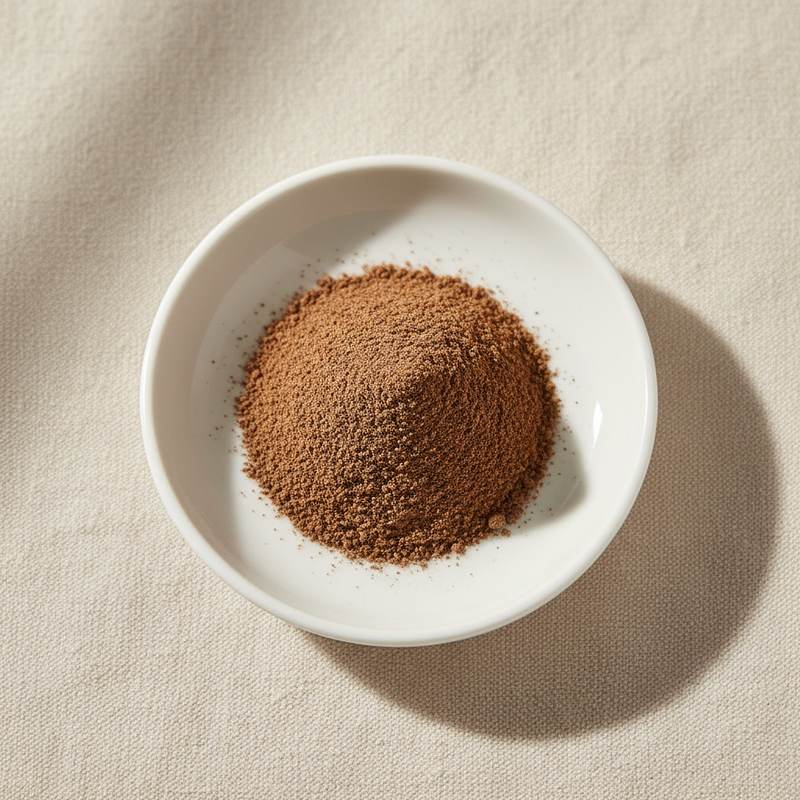
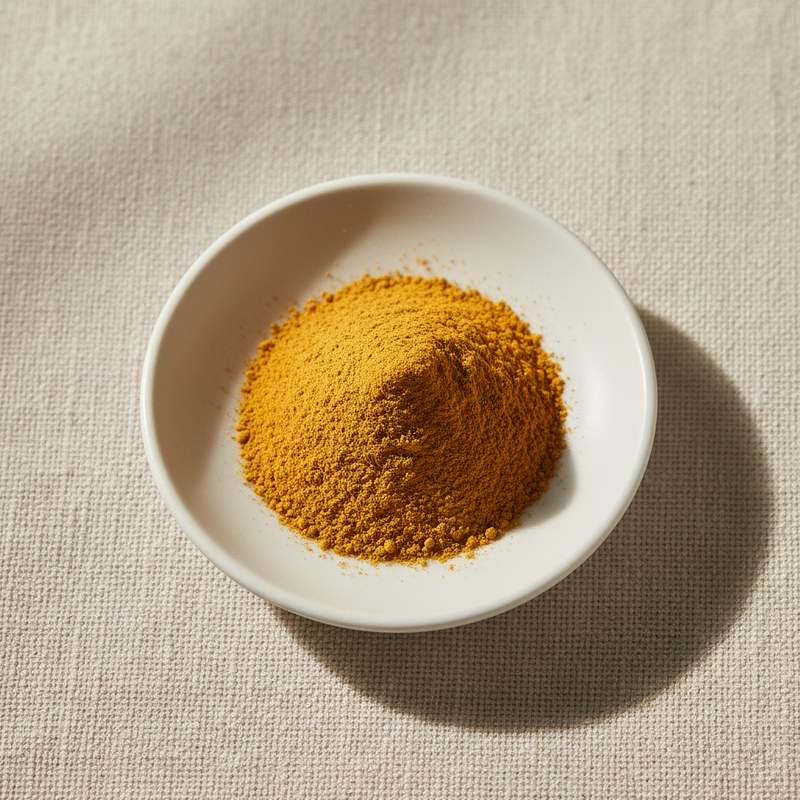
Reddish-brown to dark brown free-flowing powder. Highly water-soluble (the proanthocyanidin polyphenols are water-soluble unlike many other polyphenol classes).
We supply food-grade Grape Seed Extract from manufacturers in China holding ISO, Halal, Kosher and other certifications relevant to the product and production.
Common market grades include 95 percent Polyphenols / 70 percent OPC (the workhorse supplement grade), 95 percent Polyphenols / 80 percent OPC (premium grade), 95 percent Polyphenols / 95 percent OPC (high-end grade), and Wine-Industry Co-Product Grade (lower-cost variant from wine production residues).
Bulk and reduced-MOQ shipments. Batch-level COA covering total polyphenols, OPC content, vanillin-HCl assay, residual solvents, heavy metals, pesticides, and microbiology.
Introduction
Grape Seed Extract reached commercial prominence in the 1980s through French scientist Jack Masquelier's research on the proanthocyanidins he termed 'pycnogenols' (a name later trademarked for a related pine bark extract). The compound class includes catechin and epicatechin monomers, dimers, trimers, and higher oligomers that together constitute the OPC fraction.
Industrial production proceeds by hot-water and ethanol extraction of dried, defatted grape seeds, followed by chromatographic purification, decolorization, and spray-drying. Wine-industry residues provide cost-effective feedstock; dedicated grape seed material yields higher-quality product.
Recognized as a permitted food ingredient by the U.S. FDA (GRAS), the European Food Safety Authority, and equivalent regulators worldwide.
The proanthocyanidin polyphenols have well-documented antioxidant activity and a substantial clinical evidence base for cardiovascular endpoints including blood pressure and endothelial function. The compound class is among the most extensively studied natural antioxidants alongside green tea catechins.
Strategic positioning combines cardiovascular and anti-aging dietary supplements (the dominant volume application), cosmetic skincare (the premium positioning segment), and food antioxidant applications.
Where it is used
- Cardiovascular-support dietary supplements: the dominant commercial application
- Anti-aging and longevity dietary supplements
- Cosmetic skincare: anti-aging serums, antioxidant skincare
- Premium functional beverages: wellness shots and antioxidant drinks
- Food and beverage antioxidant applications: natural alternative to BHT/BHA in oil and fat products
- Nutricosmetic products and beauty-from-within supplements
- Veterinary applications for senior animal health
- Pharmaceutical research applications
Technical data
| Item | Specification |
|---|---|
| Appearance | Reddish-brown to dark brown free-flowing powder |
| Total polyphenols (UV) | ≥ 95% |
| OPC content (HPLC or vanillin-HCl) | 70% / 80% / 95% (grade dependent) |
| Loss on drying | ≤ 5.0% |
| Residue on ignition | ≤ 5.0% |
| Heavy metals (as Pb) | ≤ 2 mg/kg |
| Total plate count | ≤ 1000 cfu/g |
| Source | Vitis vinifera grape seeds |
Related ingredients
Ready to discuss business?
Send us your spec and requirement. We will respond with availability and pricing within 24 hours.