Description
The proanthocyanidin-rich extract of pine bark, supplied principally from Pinus massoniana (Chinese red pine, the dominant commercial source by volume globally) and Pinus pinaster (French maritime pine, the species used in the published Pycnogenol clinical literature). Standardized to total proanthocyanidin content for use in vascular-health, cognitive-support, and skin-health supplement applications.
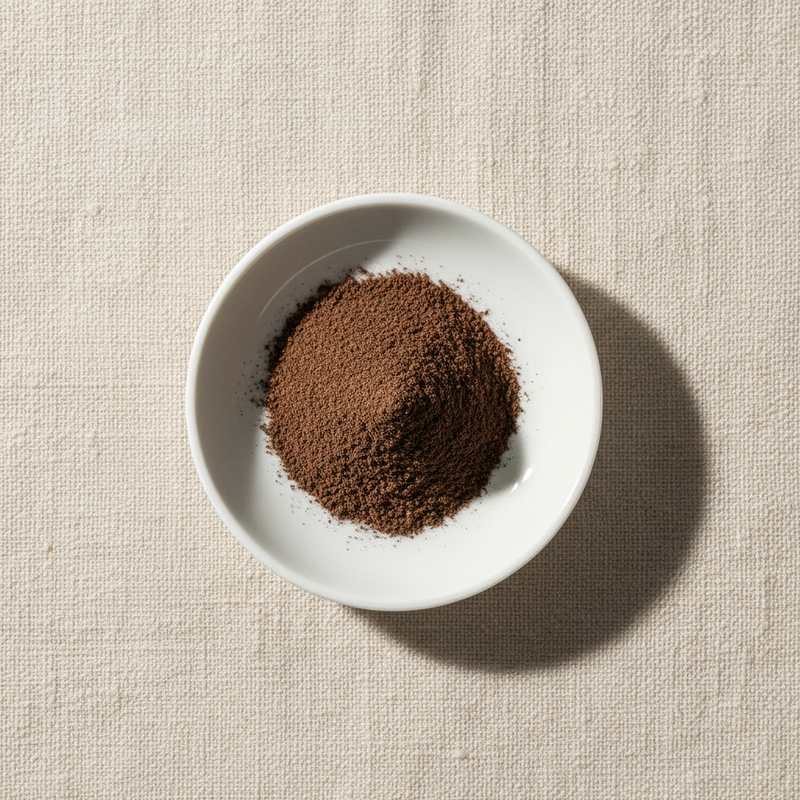
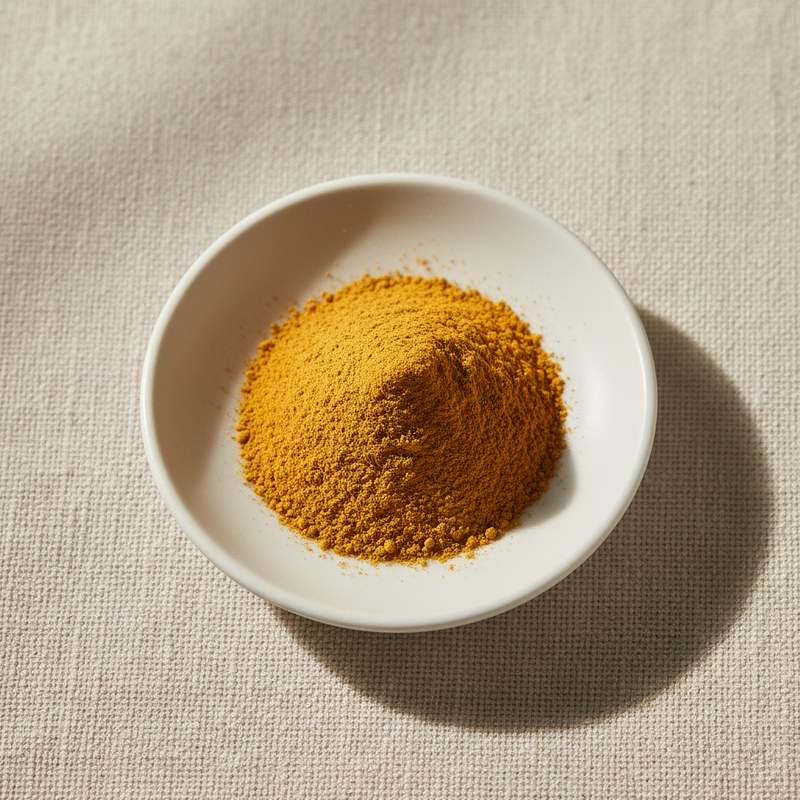
Reddish-brown to dark brown free-flowing powder with slightly astringent taste. Highly water-soluble; produces a deep red-brown aqueous solution.
We supply food-grade Pine Bark Extract from manufacturers in China holding ISO, Halal, Kosher and other certifications relevant to the product and production. Species declaration is a routine part of the COA.
Common market grades include OPC 25 percent / 45 percent / 65 percent / 80 percent / 90 percent / 95 percent (oligomeric proanthocyanidins, the principal commercial standardization), and Total Polyphenols 70 percent and 90 percent (the broader polyphenol-content specifications). Premium maritime pine grades are supplied for applications where the published clinical literature is referenced.
Bulk and reduced-MOQ shipments. Batch-level COA covering total proanthocyanidins (vanillin-HCl gravimetric and HPLC), characteristic catechin and procyanidin profile, source species identification, residual solvents, heavy metals, pesticides, and microbiology.
Introduction
The use of pine bark as a source of vascular medicine dates to 16th-century French maritime expeditions, when Jacques Cartier's crew was reportedly treated for scurvy with a decoction of pine bark and needles. Modern commercial pine bark extract emerged in the 1960s with the development of standardized proanthocyanidin preparations, most famously the Pycnogenol product derived from French maritime pine (Pinus pinaster) bark that has been the subject of an extensive published clinical literature.
Industrial production proceeds by hot-water extraction of bark from sustainably sourced pine, followed by membrane separation and chromatographic enrichment to standardize proanthocyanidin content. Chinese red pine (Pinus massoniana) is the dominant commercial source globally, with French maritime pine occupying the premium clinical-evidence-referenced segment.
Recognized as a permitted food ingredient by the U.S. FDA (GRAS for typical pine bark preparations), the European Food Safety Authority, and equivalent regulators worldwide.
Identity testing by characteristic HPLC fingerprint and species verification is commercially standard, since the price difference between Chinese red pine and French maritime pine sources is substantial and many supplement labels reference the clinical literature of the latter.
Strategic positioning combines the established vascular-health supplement category, the growing cognitive-support segment, and the beauty-from-within skin-health applications where proanthocyanidins have a substantial cosmetic-research record.
Where it is used
- Vascular-health and microcirculation supplements (the dominant clinical-evidence-supported application)
- Cognitive-support and memory-positioned supplement formulations
- Cardiovascular-health dietary supplements
- Skin-health and beauty-from-within supplements: pigmentation and elasticity formulations
- Sports nutrition: recovery and endurance formulations
- Women's-health supplements: menopause and PMS-management positioning
- Pharmaceutical applications: vascular-protective medications in European markets
- Cosmetic skincare: antioxidant and anti-aging topical formulations
- Veterinary applications for vascular and skin-coat support
Technical data
| Item | Specification |
|---|---|
| Appearance | Reddish-brown to dark brown free-flowing powder |
| OPC content (UV / HPLC) | 25% / 45% / 65% / 80% / 90% / 95% |
| Total polyphenols (UV) | 70% / 90% |
| Particle size | 100% through 80 mesh |
| Loss on drying | ≤ 5.0% |
| Heavy metals (as Pb) | ≤ 2 mg/kg |
| Total plate count | ≤ 1000 cfu/g |
| Source | Pinus massoniana or Pinus pinaster bark (species declared) |
Related ingredients
Ready to discuss business?
Send us your spec and requirement. We will respond with availability and pricing within 24 hours.