Description
A polyphenolic extract from whole grape pomace (the skins, seeds, and stems remaining after wine pressing), standardized to total polyphenol content. Distinct from Grape Seed Extract (which uses only the seeds and emphasizes OPC content) by inclusion of skin-derived anthocyanins and stem-derived polyphenols alongside seed proanthocyanidins.
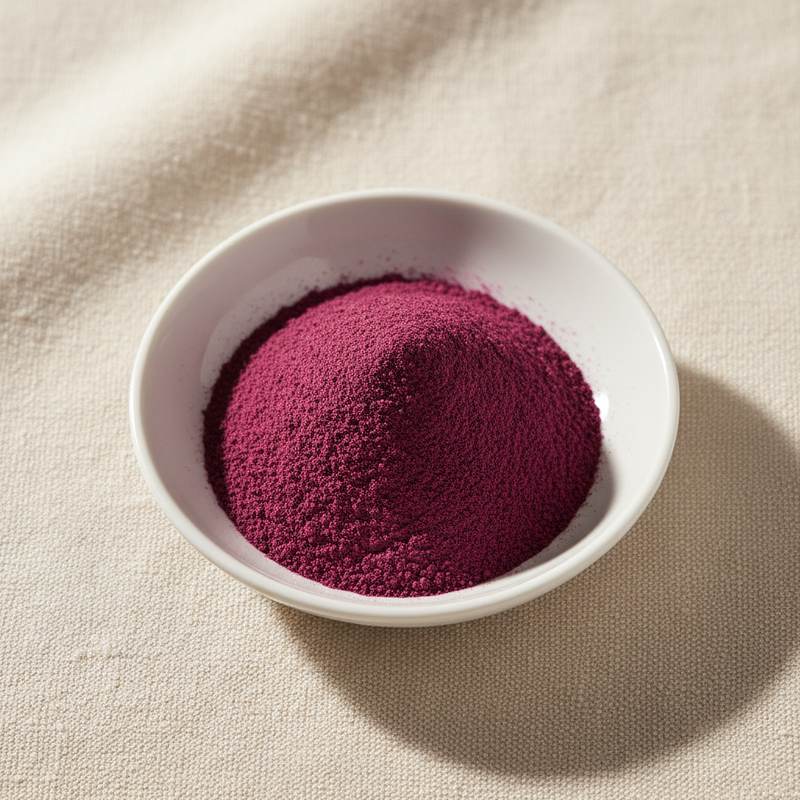
Reddish-purple to dark purple free-flowing powder. Highly water-soluble.
We supply food-grade Grape Pomace Extract from manufacturers in China holding ISO, Halal, Kosher and other certifications relevant to the product and production. Wine-byproduct circular-economy positioning supports premium clean-label applications.
Common market grades include Grape Pomace 30 percent Polyphenols (cost-effective baseline), Grape Pomace 60 percent Polyphenols (standard supplement grade), Grape Pomace 80 percent Polyphenols (premium grade), and Whole Grape Extract with declared anthocyanin and OPC content.
Bulk and reduced-MOQ shipments. Batch-level COA covering total polyphenols (UV), anthocyanin content, OPC content, resveratrol content (when claimed), residual solvents, heavy metals, pesticides, and microbiology.
Introduction
Grape Pomace Extract has gained commercial significance as the wine industry has increasingly developed value-added products from its substantial pomace byproduct stream. Global wine production generates approximately 7 to 9 million tonnes of pomace annually, traditionally disposed as agricultural waste or low-value animal feed. Modern polyphenol extraction technology has converted pomace into a meaningful source of dietary-supplement and food-antioxidant ingredients.
Industrial production proceeds by hot-water and ethanol extraction of dried grape pomace (skins, seeds, and stems), followed by purification, decolorization (for some grades), and spray-drying to defined polyphenol content. The polyphenol profile reflects whole grape composition: skin-derived anthocyanins, seed-derived proanthocyanidins, and stem-derived stilbenoids including resveratrol.
Recognized as a permitted food ingredient by the U.S. FDA (GRAS), the European Food Safety Authority, and equivalent regulators worldwide.
Clinical evidence parallels the broader grape-polyphenol literature, supporting cardiovascular and antioxidant endpoints at appropriate doses. The whole-grape composition supports broader positioning than grape seed alone, particularly for clean-label applications emphasizing the natural whole-fruit profile.
Strategic positioning leverages the wine-industry circular-economy narrative and the broader polyphenol profile versus Grape Seed Extract specifically, with applications spanning dietary supplements, food antioxidants, and animal feed.
Where it is used
- Antioxidant dietary supplements positioned around whole-grape polyphenol profile
- Cardiovascular-support and circulatory-health supplements
- Sports nutrition: recovery and antioxidant-positioned products
- Natural food preservatives: antioxidant applications in meat and oil products
- Functional beverages: wellness shots and antioxidant drinks
- Cosmetic skincare: anti-aging and antioxidant formulations
- Animal feed antioxidant: livestock and poultry feed applications
- Aquaculture feed supplements for antioxidant support
Technical data
| Item | Specification |
|---|---|
| Appearance | Reddish-purple to dark purple free-flowing powder |
| Total polyphenols (UV) | 30% / 60% / 80% (grade dependent) |
| Anthocyanins | ≥ 5% |
| Procyanidins (vanillin-HCl) | ≥ 20% |
| Loss on drying | ≤ 6.0% |
| Heavy metals (as Pb) | ≤ 2 mg/kg |
| Total plate count | ≤ 1000 cfu/g |
| Source | Vitis vinifera pomace (skins, seeds, stems) |
Related ingredients
Ready to discuss business?
Send us your spec and requirement. We will respond with availability and pricing within 24 hours.