Description
A sulfated polysaccharide extracted from the Baltic red seaweed Furcellaria lumbricalis, structurally similar to kappa carrageenan but with lower sulfate content. Forms clear, firm, brittle gels at low concentrations.
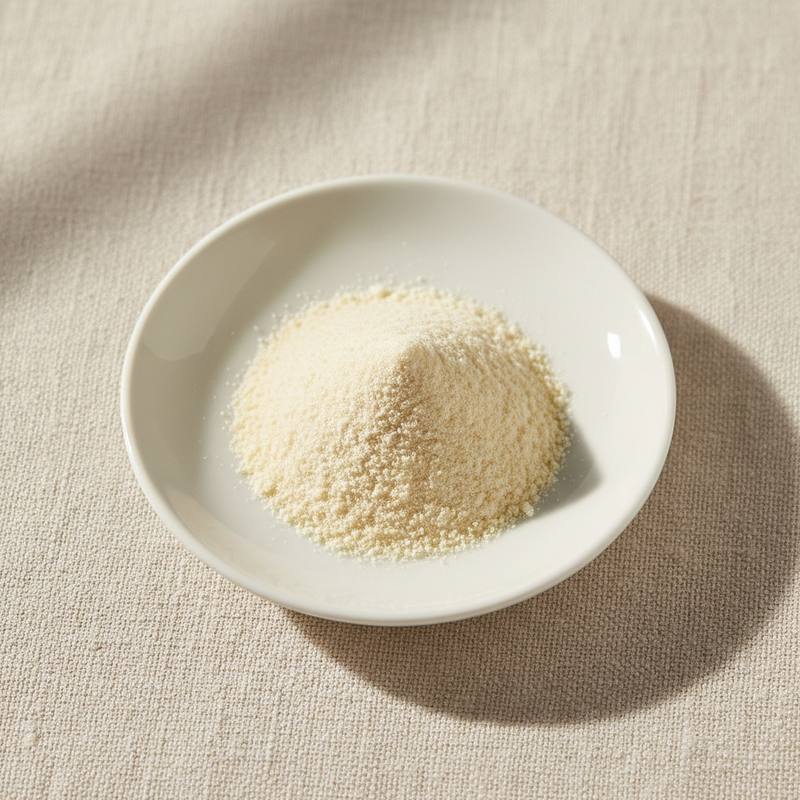
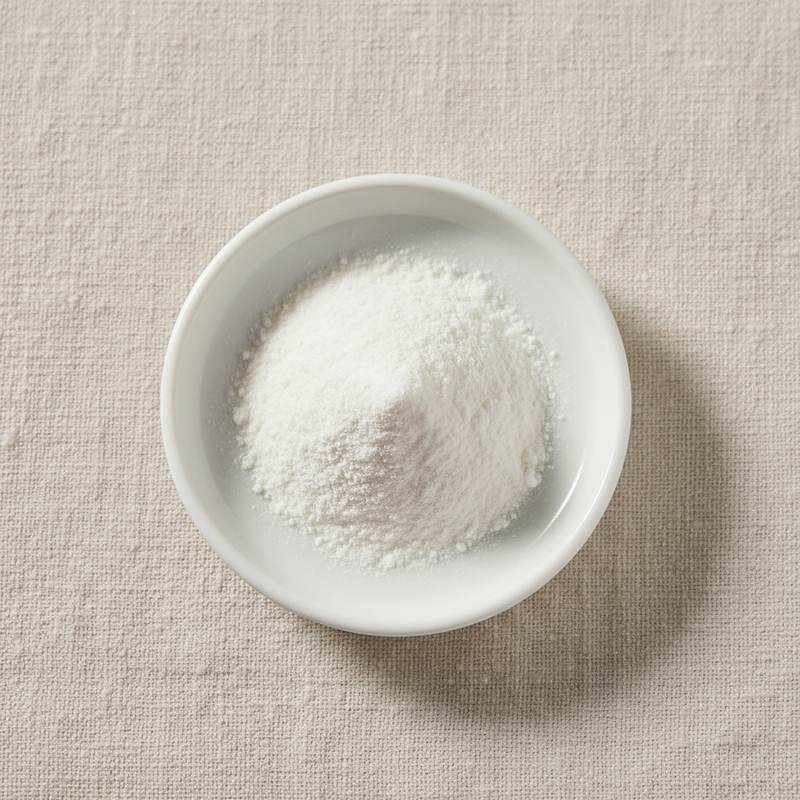
White to off-white free-flowing powder. Soluble in hot water above 75 degrees Celsius. Forms thermo-reversible gels with calcium and potassium ions.
We supply food-grade Furcellaran from manufacturers in China with cross-border sourcing from the Baltic region, holding ISO, Halal, Kosher and other certifications relevant to the product and production.
Common market grades include standard food-grade Furcellaran for confectionery and dessert applications, and high-purity grades for premium jam and pastry use.
Bulk and reduced-MOQ shipments. Batch-level COA covering polysaccharide content, gel strength, sulfate content, heavy metals, and microbiology.
Introduction
Furcellaran is sometimes called Danish agar because Furcellaria lumbricalis cultivation and processing was developed in Denmark during the mid-20th century. The seaweed grows attached to rocks in shallow Baltic waters, harvested historically by sustainable diving and hand collection.
The polysaccharide is structurally intermediate between kappa carrageenan and agar, with a sulfate content of approximately 15 percent (versus 25 percent for kappa carrageenan and near zero for agar). This lower sulfate content gives Furcellaran cleaner gel formation and better synergy with sugar in confectionery and jam applications.
The product is regulated under the carrageenan family in most jurisdictions and has been used safely in food for over 70 years. Scandinavian and German markets are the largest consumers, particularly for pectin-free jam production.
Limited natural supply and increasing demand have driven price premium positioning relative to standard carrageenan, and most contemporary production is shifting toward cultivated rather than wild-harvested seaweed.
Where it is used
- Pectin-free fruit jams and jellies, particularly in Scandinavian markets
- Pastry fillings and bakery glazes
- Confectionery jellies and gum drops
- Dairy desserts and milk-based puddings
- Marshmallow alternatives
- Premium chocolate fillings
- Cold-cut and meat-product glazes
- Ice cream and frozen desserts
Technical data
| Item | Specification |
|---|---|
| Appearance | White to off-white powder |
| Gel strength (1.5% with 0.2% KCl) | ≥ 500 g/cm² |
| Sulfate content | 13.0% to 17.0% |
| Loss on drying | ≤ 12.0% |
| Ash (sulfated) | 15.0% to 30.0% |
| pH (1% solution) | 6.0 to 9.0 |
| Heavy metals (as Pb) | ≤ 5 mg/kg |
| Arsenic | ≤ 3 mg/kg |
| Total plate count | ≤ 5000 cfu/g |
Related ingredients
Ready to discuss business?
Send us your spec and requirement. We will respond with availability and pricing within 24 hours.