Description
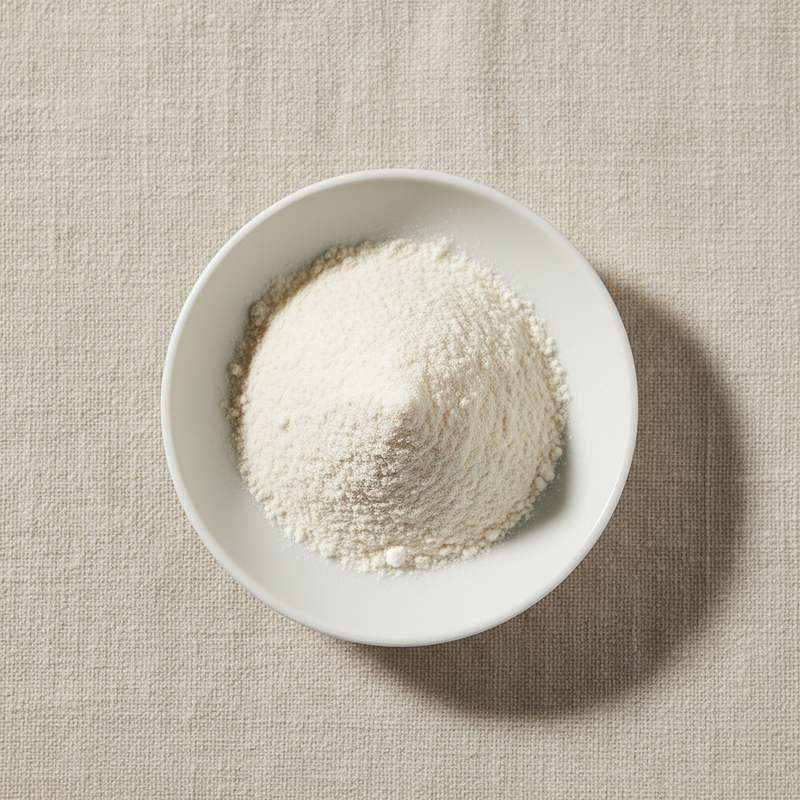
Fava Bean Protein (also called Faba Protein) is extracted from yellow fava beans (Vicia faba) and refined to 80 percent protein minimum on a dry basis. The emerging hero of European-origin plant protein, valued for its sustainability profile and clean flavor on dehulled, dry-fractionated routes.
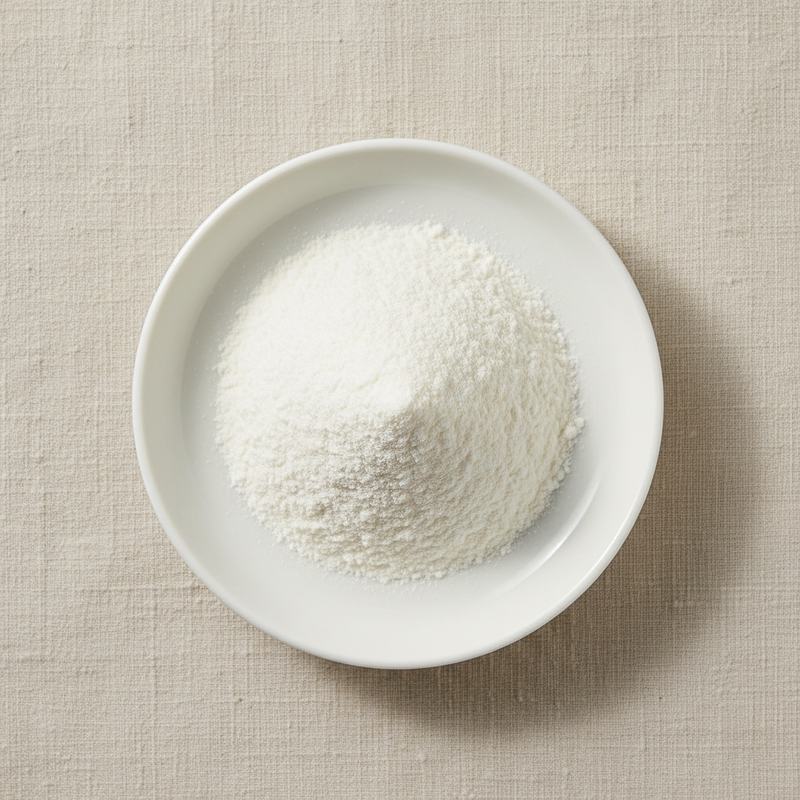
Protein content of 80 to 85 percent (Kjeldahl, N x 6.25) is the defining specification. Light cream to yellow free-flowing powder with mild legume flavor. Modern dehulled, low-vicine grades have minimized the bitterness and anti-nutritional concerns historically associated with fava beans.
The amino acid profile is complete with high lysine and BCAA content, with methionine as the first limiting amino acid. PDCAAS standalone is approximately 0.7 to 0.8 and rises to 1.0 when blended with cereal proteins.
We supply food-grade Fava Bean Protein from manufacturers in China holding ISO, HACCP, Halal, Kosher, non-GMO and other certifications relevant to the product and production.
Common market grades include wet-extracted 80 percent isolate (the dominant high-purity grade), dry-fractionated 55 to 60 percent concentrate (for clean-label and minimally processed positioning), and texturized fava protein for meat-analog applications. Bulk and reduced-MOQ shipments. Batch-level COA covering protein, moisture, fat, ash, vicine and convicine, heavy metals, and microbiology.
Introduction
Fava beans have been cultivated in the Mediterranean and Middle East for at least 10,000 years and remain a major European legume crop. Commercial fava protein extraction scaled in Europe and Canada in the 2010s, driven by the search for a non-soy, non-pea plant protein with attractive sustainability and supply-chain credentials.
Manufacturing follows one of two routes. Wet extraction parallels pea protein production: dehulled fava flour is suspended in alkaline water, the protein is solubilized, then precipitated at the isoelectric point or membrane-filtered, then spray-dried. Dry fractionation uses air classification of finely milled fava flour to separate the lighter, protein-rich fraction from the denser starch fraction, producing a minimally processed 55 to 60 percent protein concentrate without the use of solvents or pH excursions.
Recognized as a permitted food ingredient by the U.S. FDA, regulated under EU food law, and free of any of the eight major U.S. allergens. Vicine and convicine, the glycosides associated with favism in genetically susceptible individuals, are reduced to low levels in modern dehulled grades and tested per batch.
Amino acid quality positioning: well-balanced legume profile, complementary to cereal proteins, with PDCAAS in blended formulations reaching parity with animal proteins.
Strategic positioning: fava bean protein is the leading new entrant in the plant-protein category, valued for its sustainability story (nitrogen-fixing legume, locally grown in Europe and North America), clean taste relative to early-generation pea protein, and non-allergen status.
Where it is used
- Plant-based meat analogs: burgers, sausages, nuggets, and minced products
- Vegan and plant-based sports nutrition and protein blends
- Plant-based dairy alternatives
- Bakery fortification and high-protein bread systems
- Pasta and noodle fortification
- Nutrition bars and high-protein snacks
- Soy-free and allergen-conscious formulations
- Pet food: limited-ingredient and clean-label formulations
Technical data
| Item | Specification |
|---|---|
| Appearance | Light cream to yellow free-flowing powder |
| Protein content (Kjeldahl, N x 6.25, dry basis) | ≥ 80.0% |
| Moisture | ≤ 8.0% |
| Fat | ≤ 8.0% |
| Ash | ≤ 6.0% |
| Crude fiber | ≤ 1.0% |
| Vicine + Convicine | ≤ 0.05% (low-vicine grade) |
| Particle size | 95% through 80 mesh, or per customer specification |
| Lead (Pb) | ≤ 0.5 mg/kg |
| Arsenic (As) | ≤ 0.5 mg/kg |
| Cadmium (Cd) | ≤ 0.2 mg/kg |
| Total plate count | ≤ 30,000 CFU/g |
| Salmonella | Absent in 25 g |
| Allergen statement | Free from the eight major U.S. allergens and the 14 EU declarable allergens. |
| Source | Yellow fava bean (Vicia faba), non-GMO |
Related ingredients
Ready to discuss business?
Send us your spec and requirement. We will respond with availability and pricing within 24 hours.