Description
A natural-source antimicrobial polypeptide produced by aerobic fermentation of Streptomyces albulus. The dominant clean-label and natural-positioning antimicrobial in Asian food applications, with broader spectrum than nisin against both Gram-positive and Gram-negative bacteria.
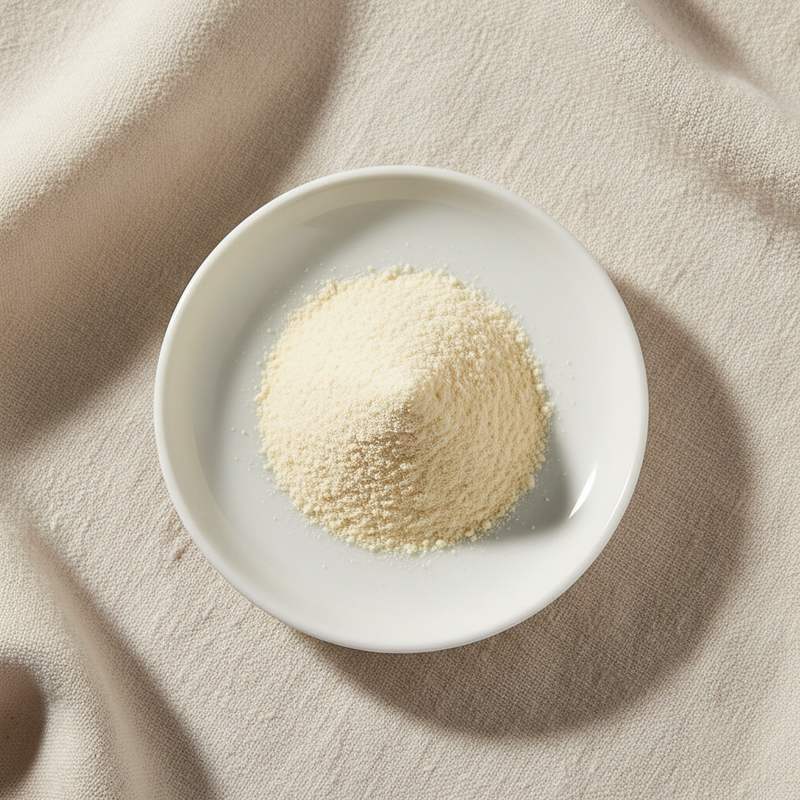
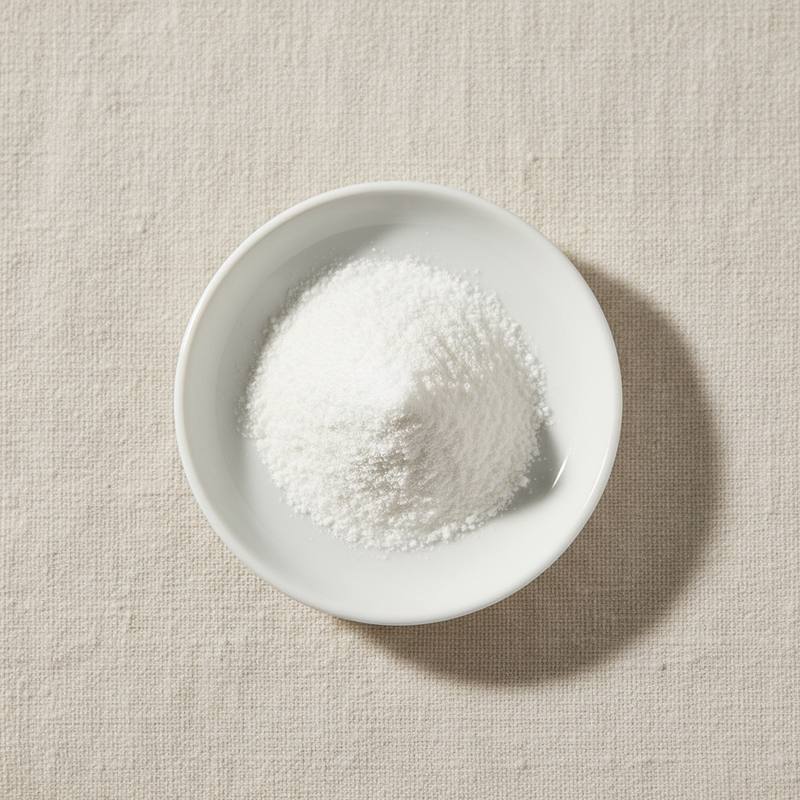
Pale yellow to off-white free-flowing powder. Highly water-soluble. Active at very low use levels (50 to 500 mg per kg of finished product).
We supply food-grade Epsilon-Poly-L-Lysine from manufacturers in China holding ISO, Halal, Kosher and other certifications relevant to the product and production.
Common market grades include Standard 25 percent Polylysine on Starch Carrier (the cost-effective workhorse), 50 percent Polylysine (higher-potency variant), Polylysine Hydrochloride (the salt form), and Pure Polylysine 95 percent or higher (premium pharmaceutical and high-end food applications).
Bulk and reduced-MOQ shipments. Batch-level COA covering polylysine assay, molecular weight, related substances, heavy metals, and microbiology.
Introduction
Epsilon-Poly-L-Lysine was discovered in Japan in 1977 and commercialized by Chisso Corporation in 1989. The compound is a homopolymer of L-Lysine (typically 25 to 35 lysine residues) joined through epsilon-amino bonds rather than the alpha-amino bonds of conventional protein synthesis.
Industrial production proceeds by submerged aerobic fermentation of Streptomyces albulus, followed by adsorption, purification, and freeze-drying or spray-drying to yield the finished antimicrobial product.
Regulatory status: classified as Generally Recognized as Safe by the U.S. FDA, approved as a food additive in Japan, Korea, China, and several other Asian markets. EU approval is pending under the Novel Food regulation.
The molecule's antimicrobial mechanism is broader than nisin: polylysine binds to bacterial cell membranes through electrostatic and hydrophobic interactions, producing membrane disruption against both Gram-positive and Gram-negative bacteria, plus yeasts and molds at higher use levels.
Strategic positioning targets the clean-label and natural-positioning food preservation segment specifically. The fermentation-derived natural origin supports finished-product label claims that synthetic preservatives like sodium benzoate cannot match.
Where it is used
- Natural-positioning food preservation: ready-to-eat refrigerated meals, sushi rice, sandwich fillings
- Asian food applications: rice products, noodles, sushi, and prepared Japanese foods
- Dairy applications: cottage cheese, processed cheese, fresh dairy products
- Cured meat and processed meat preservation
- Beverage preservation: clean-label alternative to sodium benzoate in some applications
- Pharmaceutical applications: topical preparations and specialty preservation
- Cosmetic preservation in natural-positioning skincare
- Premium pet food preservation
Technical data
| Item | Specification |
|---|---|
| Appearance | Pale yellow to off-white free-flowing powder |
| Polylysine content | ≥ 25% (standard) / ≥ 50% (high-potency) / ≥ 95% (pure) |
| Average degree of polymerization | 25 to 35 lysine residues |
| Loss on drying | ≤ 6.0% |
| pH (1% solution) | 8.0 to 10.0 |
| Heavy metals (as Pb) | ≤ 5 mg/kg |
| Total plate count | ≤ 1000 cfu/g |
| Particle size | Per customer specification |
Related ingredients
Ready to discuss business?
Send us your spec and requirement. We will respond with availability and pricing within 24 hours.