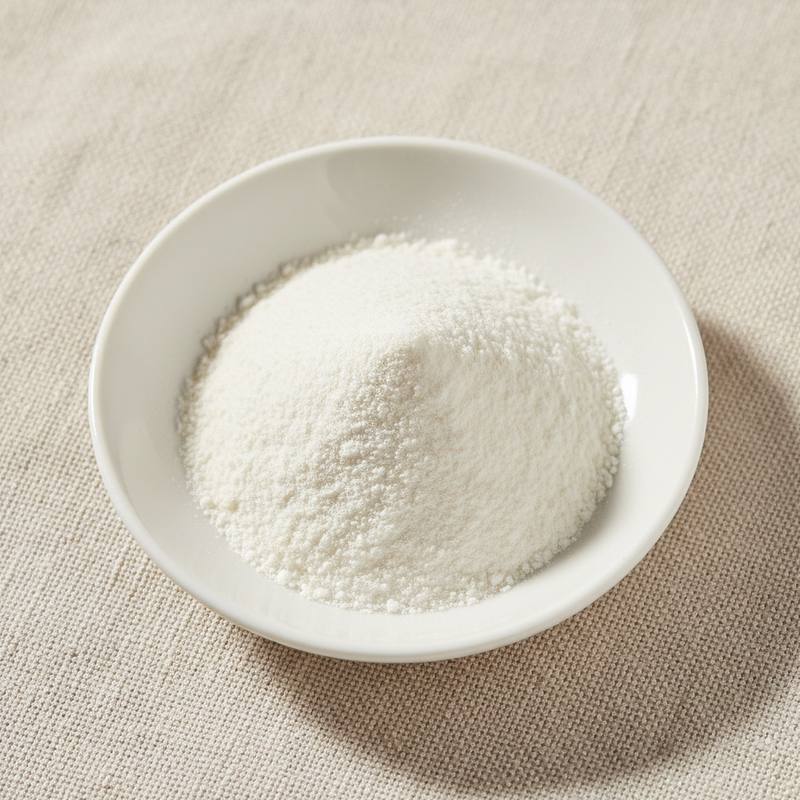
Description
A natural antibacterial peptide produced by fermentation of Lactococcus lactis. Active against Gram-positive bacteria including Listeria, Clostridium, Bacillus, and Staphylococcus, with particular value in cheese, canned foods, and ready-to-eat meat applications.
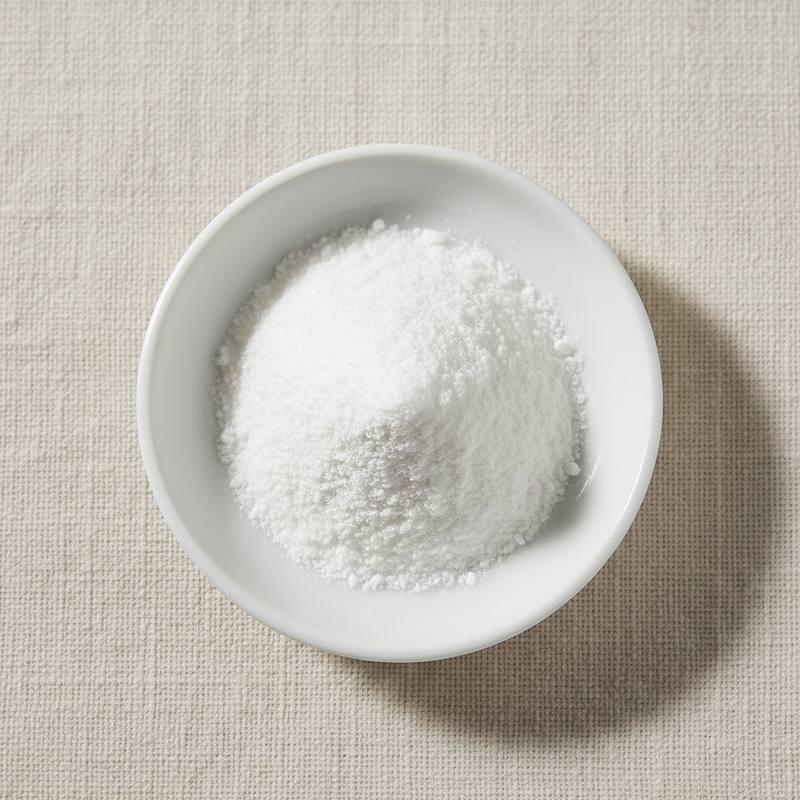
White to off-white crystalline powder. Standardized to defined International Units of antimicrobial activity (typically 1,000,000 IU per gram or higher). Inactive against Gram-negative bacteria, yeasts, and molds, requiring co-formulation in some applications.
We supply food-grade Nisin from manufacturers in China holding ISO, Halal, Kosher and other certifications relevant to the product and production.
Common market grades include Standard Nisin A (the dominant industrial form, 2.5 percent or higher Nisin content with NaCl carrier), High-Purity Nisin (40 percent or higher Nisin for premium applications), and pre-blended Nisin-with-other-preservative systems for synergistic broad-spectrum activity.
Bulk and reduced-MOQ shipments. Batch-level COA covering Nisin activity (IU/g), protein content, heavy metals, and microbiology.
Introduction
Nisin was discovered in 1928 in milk cultures by British researchers and was the first bacteriocin to receive approval as a food preservative, with U.S. FDA Generally Recognized as Safe status granted in 1988. The compound has been consumed safely as part of cheese ripening for thousands of years, since Lactococcus lactis is the principal organism in cheese starter cultures.
Industrial production proceeds by submerged fermentation of Lactococcus lactis subsp. lactis on milk-based or soy-based media, followed by ion-exchange purification, freeze-drying or spray-drying, and standardization to defined IU activity. Most commercial Nisin is sold at 2.5 percent active content with NaCl as bulk carrier.
Regulated as E234 in the EU, classified as Generally Recognized as Safe by the U.S. FDA, and approved by JECFA without a numerical Acceptable Daily Intake limit. Approved for use in over 80 countries.
The molecule is a 34-amino-acid lantibiotic peptide that disrupts Gram-positive bacterial cell membranes by forming pores that dissipate the membrane potential and leak essential ions. Activity is selective for Gram-positive bacteria because the Gram-negative outer membrane prevents Nisin access to the cytoplasmic membrane.
Strategic positioning targets specifically the Listeria-control segment in ready-to-eat refrigerated foods (where regulatory requirements drive demand) and the natural-positioned alternative to nitrite and synthetic preservatives in clean-label brands. Synergy with chelating agents like EDTA expands activity to include some Gram-negative bacteria, broadening application range.
Where it is used
- Processed cheese and cheese spread; the natural standard against Clostridium butyricum and Bacillus species globally
- Canned vegetables, soups, and ready-to-eat meals; replaces or reduces nitrite use in some applications
- Cured meat and ready-to-eat refrigerated meat products; effective against Listeria monocytogenes
- Yogurt, kefir, and fermented dairy products
- Beer and brewing applications; replaces or reduces sulfite use
- Liquid egg and egg-product preservation
- Salad dressings, sauces, and condiments in natural-positioning brands
- Bakery applications including bread, cakes, and pastries against Bacillus rope formation
- Pharmaceutical applications including topical antibacterial formulations
Technical data
| Item | Specification |
|---|---|
| Appearance | White to off-white powder |
| Activity | ≥ 1,000,000 IU/g (Nisin A) |
| Nisin content | ≥ 2.5% (standard) / ≥ 40% (premium) |
| Loss on drying | ≤ 3.0% |
| Heavy metals (as Pb) | ≤ 10 mg/kg |
| Arsenic | ≤ 1 mg/kg |
| Total plate count | ≤ 10 cfu/g |
| Yeast and mold | ≤ 10 cfu/g |
| E. coli | Negative |
| Salmonella | Negative |
Related ingredients
Ready to discuss business?
Send us your spec and requirement. We will respond with availability and pricing within 24 hours.