Description
Ethylenediaminetetraacetic acid, C10H16N2O8, and its sodium and calcium-disodium salts. The most specific metal-chelating agent in commercial food and pharmaceutical chemistry, with exceptional binding affinity for iron, copper, calcium, and other di- and tri-valent metals.
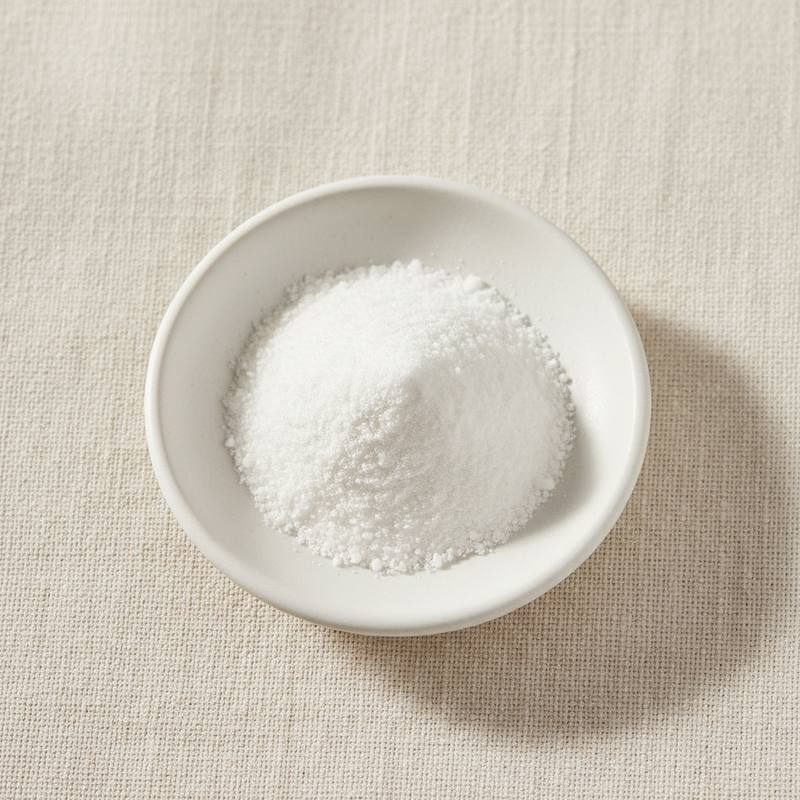
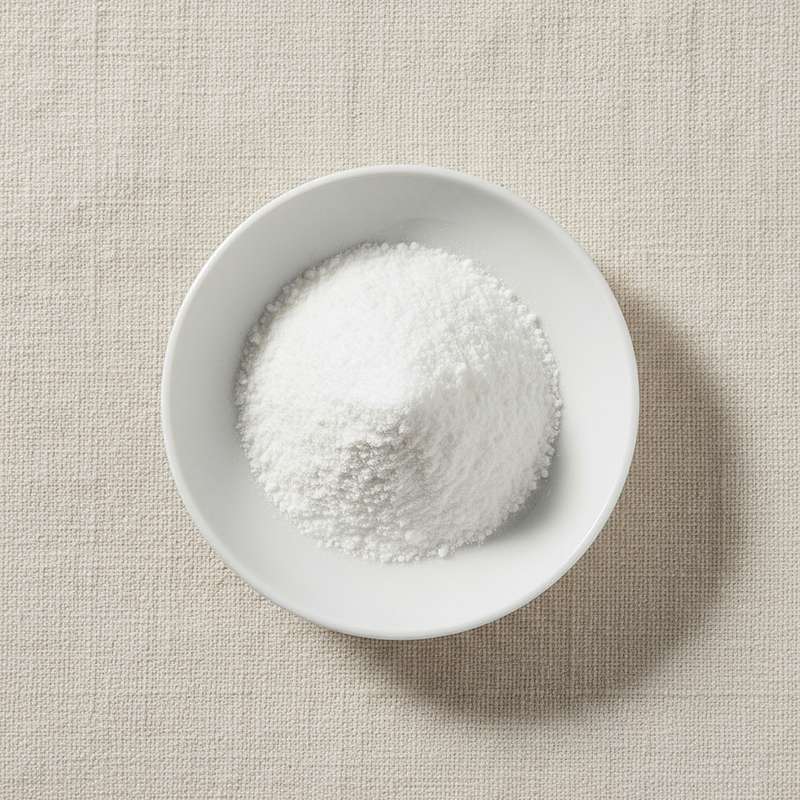
White crystalline powder. Free acid is poorly water-soluble; disodium and tetrasodium salts are highly soluble. The calcium disodium salt (E385) is the form specifically authorized for direct food use because it cannot strip calcium from the body.
We supply food-grade, pharmaceutical-grade, and technical-grade EDTA from manufacturers in China holding ISO, Halal, Kosher and other certifications relevant to the product and production.
Common market grades include EDTA free acid, EDTA disodium salt dihydrate (the most common pharmaceutical grade), EDTA tetrasodium salt for industrial cleaning, and Calcium Disodium EDTA (E385) for direct food use in canned and bottled products.
Bulk and reduced-MOQ shipments. Batch-level COA covering chelating value, assay, sodium and calcium content, heavy metals, and microbiology.
Introduction
EDTA was first synthesized in 1935 by Ferdinand Münz and patented by the IG Farben group for industrial water-softening use. Food and pharmaceutical applications followed rapidly in the 1940s and 1950s as the molecule's chelating selectivity and safety profile were characterized.
Industrial production proceeds by reaction of ethylenediamine with formaldehyde and sodium cyanide (Singer process) or with chloroacetic acid (modern alkaline route). The free acid crystallizes from acidified reaction mixtures and is then converted to disodium, tetrasodium, or calcium-disodium salts as required.
The calcium disodium salt is regulated in the EU as E385 with an Acceptable Daily Intake of 2.5 mg/kg body weight, classified as Generally Recognized as Safe by the U.S. FDA under specific use conditions in 21 CFR 172.120 and 21 CFR 172.135, and approved by JECFA at the same ADI level. Note that the disodium salt is the dominant pharmaceutical and cosmetic grade, while only the calcium-disodium salt is permitted for direct food use because of the calcium-stripping risk associated with non-calcium forms when administered orally at food-additive levels.
Mechanism in finished products is selective metal-ion chelation. EDTA forms 1:1 complexes with metals via four carboxylate groups and two amine groups, producing exceptionally stable hexadentate complexes. Trace iron and copper at parts-per-million levels are sufficient to catalyze color, flavor, and vitamin degradation; EDTA at similarly low inclusion levels deactivates these catalysts and dramatically extends product shelf life.
Strategic positioning: EDTA is the gold-standard sequestrant for canned, bottled, and pharmaceutical applications where extreme shelf-life or oxidative-stability targets must be met. It is more expensive than polyphosphate sequestrants but vastly more specific, justifying use in premium and stability-critical products.
Where it is used
- Canned legumes, mushrooms, and seafood; preserves color and prevents oxidation catalyzed by trace iron and copper
- Bottled dressings, mayonnaise, and sauces; stabilizes emulsions and prevents oil oxidation in long-shelf-life products
- Carbonated and still beverages; eliminates trace-metal-catalyzed flavor degradation and color drift
- Canned crab, shrimp, and shellfish; prevents struvite formation and preserves color
- Pharmaceutical formulations as an antioxidant stabilizer and metal-ion scavenger
- Cosmetic and personal-care products; preserves preservative-system efficacy by scavenging trace metals
- Soaps, detergents, and industrial cleaners (industrial grades only)
- Medical use as an injectable chelating agent for heavy-metal toxicity (pharmaceutical USP grade only)
- Analytical chemistry as the standard titrant for metal-ion determination
Technical data
| Item | Specification |
|---|---|
| Appearance | White crystalline powder |
| Assay (chelating value, as Calcium Disodium EDTA) | 97.0% to 102.0% |
| Loss on drying | ≤ 13.0% (calcium disodium dihydrate) |
| pH (1% solution) | 6.5 to 7.5 (calcium disodium); 4.0 to 6.0 (disodium) |
| Sodium content (theoretical) | 11.0% to 14.0% |
| Calcium content (calcium disodium) | 10.0% to 11.0% |
| Heavy metals (as Pb) | ≤ 10 mg/kg |
| Arsenic | ≤ 3 mg/kg |
| Nitrilotriacetic acid (NTA) | ≤ 0.1% |
| Particle size | Per customer specification |
Related ingredients
Ready to discuss business?
Send us your spec and requirement. We will respond with availability and pricing within 24 hours.