Description
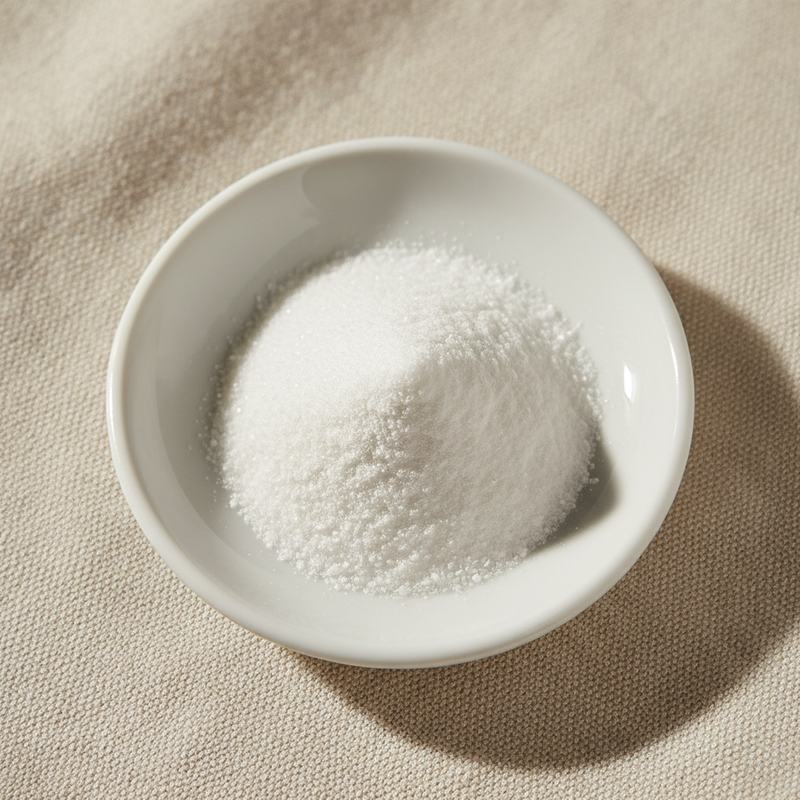
The calcium disodium salt of ethylenediaminetetraacetic acid, supplied for food and pharmaceutical applications where calcium pre-loading of the chelate is required to prevent depletion of physiologically available calcium.
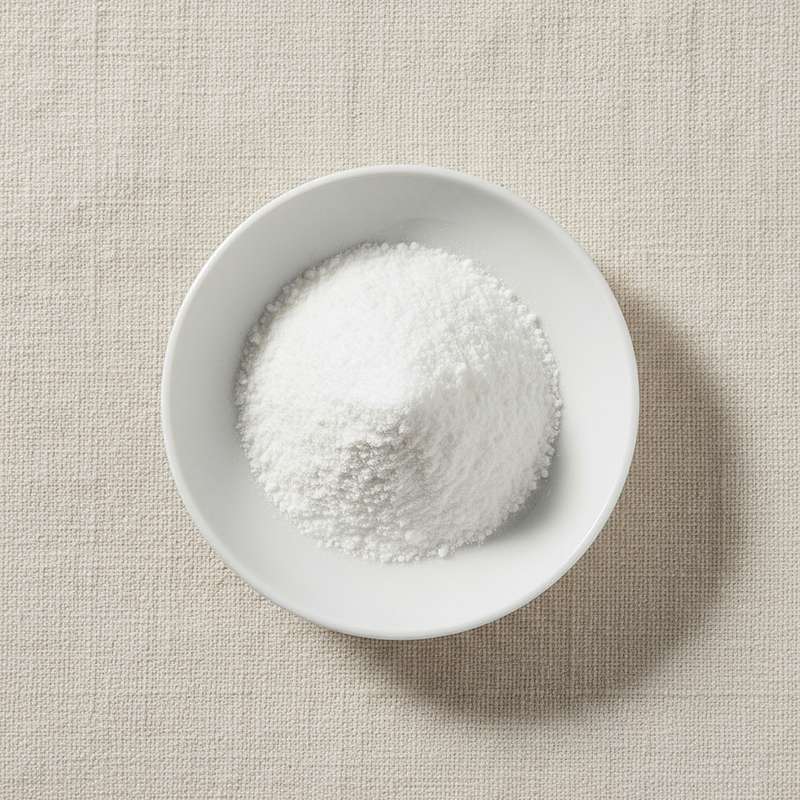
White crystalline powder, odorless, freely soluble in water. pH near 7 in solution, distinguishing it from the more acidic Disodium EDTA. Stable across the full food-processing pH range.
We supply food-grade and pharmaceutical-grade Calcium Disodium EDTA from manufacturers in China holding ISO, Halal, Kosher and other certifications relevant to the product and production.
Common market grades include food-grade hydrate (FCC and JECFA compliant), pharmaceutical USP/EP grade for chelation-therapy and parenteral applications, and reagent grade for laboratory and analytical use. Particle size and bulk density are specified by the customer application.
Bulk and reduced-MOQ shipments. Batch-level COA covering assay, calcium content, sodium content, nitrilotriacetic acid, heavy metals, and microbiology.
Introduction
Calcium Disodium EDTA was developed in the mid-twentieth century as the food-additive form of EDTA preferred for applications where free disodium EDTA could potentially chelate physiologically important calcium in the gastrointestinal tract. Pre-loading the chelate with calcium ensures that, on ingestion, only metals with higher stability constants (iron, copper, lead) displace the calcium and become chelated, while the calcium itself is released.
Industrial production proceeds by reaction of EDTA tetrasodium salt with calcium chloride or calcium hydroxide under controlled stoichiometry, followed by acidification to the disodium-calcium salt form and recrystallization. Food, pharmaceutical, and reagent grades are further purified to remove nitrilotriacetic acid, free amine, and heavy-metal impurities.
Regulated in the EU as E385 with permitted uses and maximum levels specified for each food category, classified by the U.S. FDA under 21 CFR 172.120 with specific use limitations, listed in USP and EP monographs (and as edetate calcium disodium in pharmacopoeias used for chelation therapy), and approved by JECFA with an Acceptable Daily Intake of 2.5 mg/kg body weight as Calcium Disodium EDTA.
Mechanism in food applications is the same competitive chelation as Disodium EDTA, but with the calcium ion already occupying the chelate site. Iron, copper, manganese, and other transition metals with higher stability constants for EDTA displace the calcium and become sequestered; the released calcium ions enter the matrix as additional calcium without functional impact at typical use levels (25 to 75 ppm).
Strategic positioning: Calcium Disodium EDTA is the regulatory and toxicological default for food applications where the disodium form would raise specific concerns. The two forms (E385 and E386) are typically used interchangeably from a process perspective but selected based on regulatory permission for the specific food category and the destination market.
Where it is used
- Color and flavor protection in mayonnaise, salad dressings, sauces, and emulsified spreads
- Trace-metal sequestration in canned legumes, mushrooms, white asparagus, and pickled vegetables
- Stabilizer in carbonated soft drinks and ready-to-drink iced teas
- Color retention in canned fish and crustacean products
- Sequestrant in cured-meat brines and processed-meat formulations
- Pharmaceutical chelation therapy for lead and heavy-metal poisoning
- Pharmaceutical-formulation chelator in parenteral, ophthalmic, and topical products where calcium-pre-loaded chelate is preferred
- Personal-care preservative-system component in cosmetics and toiletries
- Cleaning and CIP chemistry in food and beverage manufacturing
Technical data
| Item | Specification |
|---|---|
| Appearance | White crystalline powder |
| Assay (C10H12CaN2Na2O8·xH2O, dry basis) | 97.0% to 102.0% |
| Calcium content | 9.5% to 10.5% |
| Sodium content | 10.0% to 11.5% |
| pH (1% solution) | 6.5 to 7.5 |
| Loss on drying | ≤ 15.0% (hydrate) |
| Nitrilotriacetic acid | ≤ 0.1% |
| Heavy metals (as Pb) | ≤ 10 mg/kg |
| Arsenic | ≤ 3 mg/kg |
| Particle size | Per customer specification |
Related ingredients
Ready to discuss business?
Send us your spec and requirement. We will respond with availability and pricing within 24 hours.