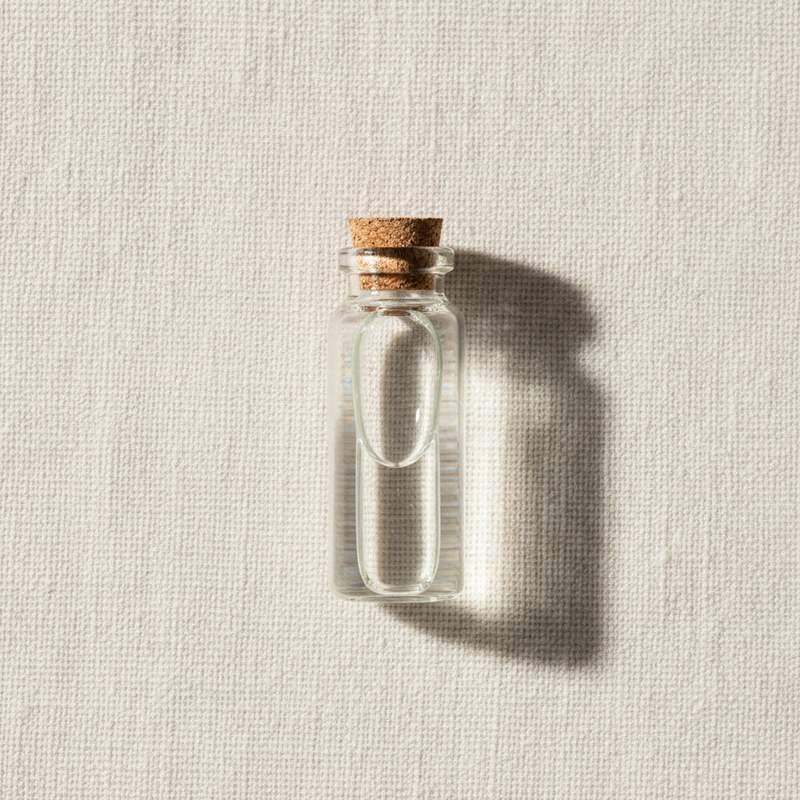
Description
A liquid antimicrobial used for cold-sterile dosing of bottled beverages immediately before fill, killing residual yeast, mold, and bacteria and then self-hydrolyzing into trace methanol and CO2 within hours.
Clear, colorless to pale yellow liquid with a sharp characteristic odor. Reactive with water and must be handled in dedicated dosing equipment under nitrogen blanketing. Active dose in beverages typically 100 to 250 mg/L immediately before bottle filling.
We supply food-grade Dimethyl Dicarbonate from manufacturers in China holding ISO, Halal, Kosher and other certifications relevant to the product and production. The product is sold under trade names including Velcorin (the original Bayer brand) and is supplied to plants equipped with corresponding dosing systems.
Common market grades are uniform at ≥ 99.8 percent assay; differentiation is by supply contract terms including dosing equipment compatibility and 24/7 technical support, which beverage plants typically prioritize over per-unit price.
Bulk and reduced-MOQ shipments by ISO tank or HDPE drum. Batch-level COA covering assay, water content, dimethyl carbonate impurity, and density.
Introduction
DMDC was developed by Bayer in the 1980s as a successor to diethyl pyrocarbonate (DEPC), an earlier beverage cold-sterilant withdrawn following the discovery that one of its hydrolysis products was ethyl carbamate, a recognized carcinogen.
The functional principle is the same: a reactive carbonate ester penetrates microbial cells and irreversibly alkylates methionine, histidine, and tyrosine residues in essential enzymes, killing yeast, mold, and bacteria within minutes. DMDC's advantage is that its hydrolysis products are only methanol (at concentrations far below natural fruit juice background, typically less than 10 mg/L) and CO2, both of which are present in fruit juices naturally at higher levels.
The compound hydrolyzes completely in the bottle within 4 to 12 hours at typical fill temperatures, leaving no DMDC residue at point of consumption. Because nothing remains, EU and U.S. regulations classify DMDC as a processing aid rather than a preservative, and there is no declaration requirement on the finished product label.
Regulated as E242 in the EU at up to 250 mg/L in non-alcoholic flavored beverages, non-fermented wines, alcohol-free wines, and certain iced teas; classified as Generally Recognized as Safe by the U.S. FDA at up to 200 mg/L in wine and 250 mg/L in other beverages; approved by JECFA. Approved in over 70 countries.
Industrial use requires dedicated dosing equipment (cooled, nitrogen-blanketed, calibrated for exact in-line addition just before fill) because DMDC reacts on contact with bulk product and cannot be batch-dosed in the tank.
Where it is used
- Cold-sterile filling of non-carbonated juice drinks, fruit nectars, and flavored waters
- Iced tea and ready-to-drink tea beverages prone to mold and yeast spoilage
- Sports drinks and isotonic beverages where heat pasteurization would degrade flavor
- Wine-based and low-alcohol beverages where SO2 is undesirable or capped
- Cider and sangria-type bottled beverages
- Bag-in-box and PET-packaged juice products targeting extended shelf life without preservatives on the label
- Low-pH (pH 2.5 to 4.5) carbonated drinks as adjunct to other antimicrobial systems
- Cold-fill flavored milk applications in some markets
Technical data
| Item | Specification |
|---|---|
| Appearance | Clear, colorless to pale yellow liquid |
| Assay | ≥ 99.8% |
| Density at 20 °C | 1.247 to 1.250 g/cm3 |
| Refractive index at 20 °C | 1.3940 to 1.3960 |
| Water content | ≤ 0.05% |
| Dimethyl carbonate | ≤ 0.2% |
| Methanol | ≤ 0.1% |
| Boiling point at 20 mbar | 71 °C to 72 °C |
| Melting point | 17 °C to 18 °C |
| Heavy metals (as Pb) | ≤ 5 mg/kg |
| Hydrolysis end-products | Methanol + CO2 only |
Related ingredients
Ready to discuss business?
Send us your spec and requirement. We will respond with availability and pricing within 24 hours.