Description
A multi-functional clean-label fiber recovered from citrus peel and pulp left after juice extraction. Composed of pectin, cellulose, hemicellulose, and naturally associated proteins. Total dietary fiber typically 60 to 85 percent measured by AOAC 991.43, with both soluble and insoluble fractions.
Mechanically activated grades behave as functional thickeners, water binders, and stabilizers, replacing hydrocolloids including modified starch, xanthan gum, and carrageenan in clean-label formulations.
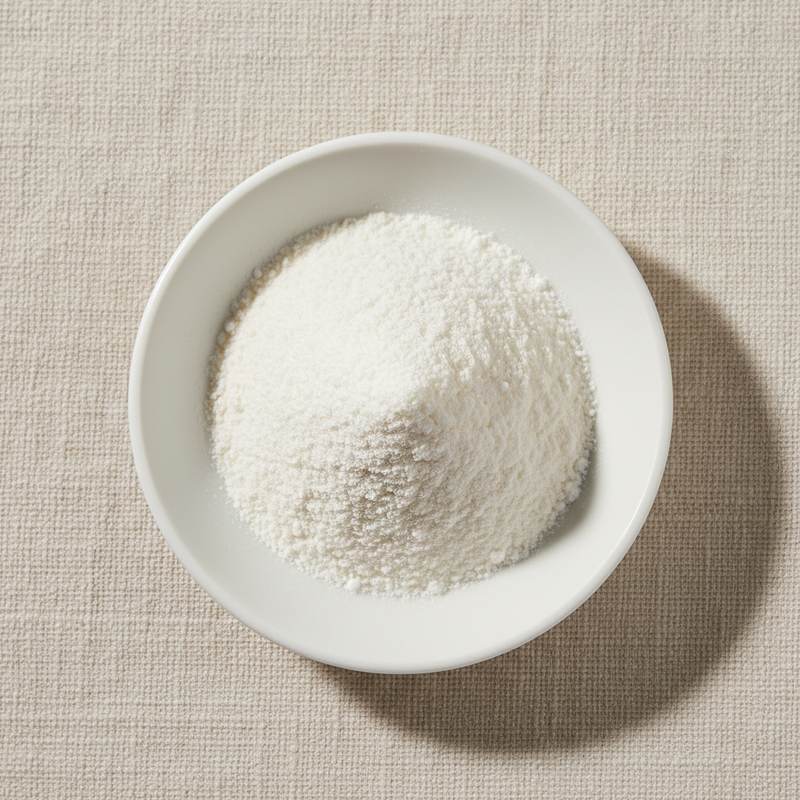
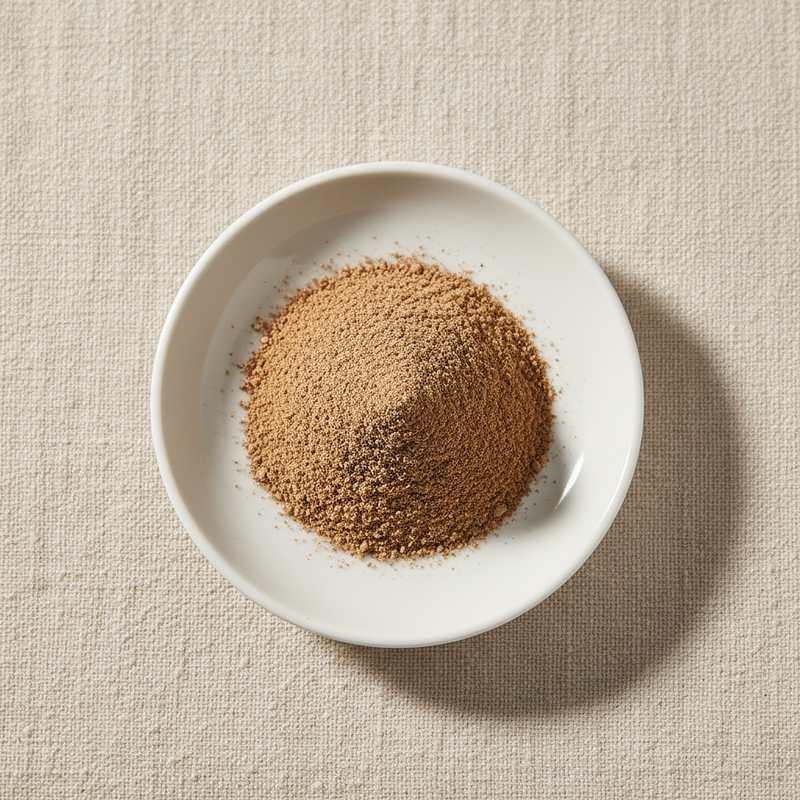
Off-white to light cream powder with a faint citrus aroma. Water-holding capacity 8 to 12 times its weight, with viscosity-building behavior similar to lightly modified pectin systems.
We supply food-grade Citrus Fiber from manufacturers in China and Europe holding ISO, HACCP, Halal, Kosher, Non-GMO Project, and organic certifications relevant to the product and production. The ingredient is naturally clean-label compliant and qualifies as a vegan, gluten-free, and allergen-free fiber.
Common market grades include Standard (60 to 70 percent TDF, lower water-holding), Activated (75 to 85 percent TDF, high water-holding for clean-label hydrocolloid replacement), and ultra-fine micronized for beverage and dairy use.
Bulk and reduced-MOQ shipments. Batch-level COA covering fiber content, moisture, ash, water-holding capacity, heavy metals, pesticide residues, and microbiology.
Introduction
Citrus Fiber is an upcycled co-product of the global citrus-juice industry. Peel and pulp left after juice extraction are washed, mechanically de-oiled, optionally treated to remove residual sugars and pectin (or to selectively activate the remaining pectin matrix), and dried into a free-flowing powder.
The defining technical step in modern citrus-fiber manufacturing is mechanical activation: high-pressure homogenization or fine milling disrupts the cell-wall structure to expose pectin and cellulose surface area, dramatically increasing water-holding capacity and viscosity-building behavior. Activated grades function as standalone stabilizers in applications that previously required xanthan, modified starch, or carrageenan.
Regulatory status is favorable across major markets. The U.S. FDA recognizes intrinsic dietary fiber from citrus as fiber for nutrition-label purposes. EU labeling permits dietary-fiber declaration, and citrus fiber qualifies for clean-label, vegan, gluten-free, and free-from positioning. Many commercial grades carry organic certification from EU and USDA organic regimes.
The strategic position of citrus fiber in modern formulation is built on the clean-label functionality narrative: a single ingredient that delivers fiber claim plus stabilization plus water binding, replacing two or three E-numbered or modified-starch ingredients in finished products. The category has expanded rapidly since 2018, with major suppliers in the United States, Belgium, and China competing on activation technology and origin-of-citrus traceability. Selection across suppliers turns on water-holding-capacity specification, organic certification, and viscosity behavior in the target food matrix.
Where it is used
- Plant-based meat analogues, sauces, and dressings as a clean-label hydrocolloid replacer
- Bakery including breads, cakes, and pastries; moisture retention and fiber claim
- Dairy and frozen desserts; body, mouthfeel, and stabilization
- Mayonnaise and dressings; emulsion stability and yield extension
- Beverages including smoothies and functional drinks
- Confectionery and gummy candies as a pectin co-functional ingredient
- Soups and ready meals for body and water management
- Nutrition bars and snack bars positioned for clean-label fiber
Technical data
| Item | Specification |
|---|---|
| Appearance | Off-white to light cream powder |
| Source | Citrus (orange, lemon) peel and pulp |
| Total dietary fiber (AOAC 991.43) | ≥ 60.0% (standard) to ≥ 85.0% (activated) |
| Soluble fiber fraction | 15 to 25% |
| Water-holding capacity | 8 to 12 g water per g fiber |
| Moisture | ≤ 8.0% |
| Ash | ≤ 5.0% |
| pH (1% suspension) | 3.5 to 5.5 |
| Particle size | 80 to 300 mesh; per customer specification |
| Heavy metals (as Pb) | ≤ 1 mg/kg |
| Arsenic | ≤ 0.5 mg/kg |
| Pesticide residues | Meets EU and US limits |
| Total plate count | ≤ 10,000 CFU/g |
| Yeast and mold | ≤ 100 CFU/g |
| E. coli and Salmonella | Negative |
Related ingredients
Ready to discuss business?
Send us your spec and requirement. We will respond with availability and pricing within 24 hours.