Description
A flavonoid complex extracted from citrus peel (Citrus sinensis sweet orange, Citrus aurantium bitter orange, Citrus limon lemon). The complex contains hesperidin, naringin, neohesperidin, eriocitrin, and other citrus flavonoids in defined ratios depending on source species. Used in vascular-support supplements and as the traditional companion to Vitamin C in immune-support formulations.
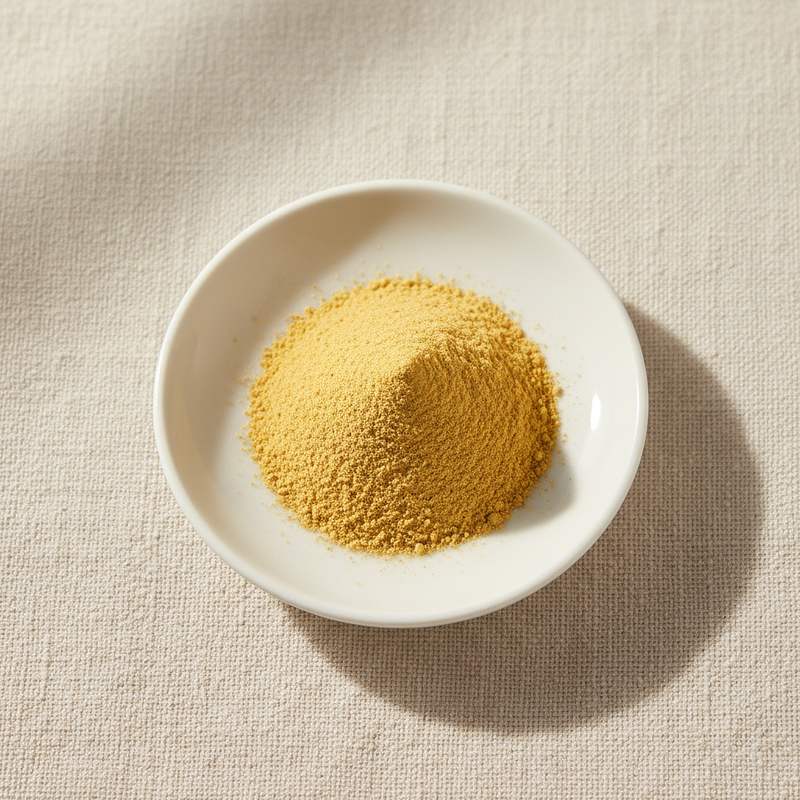
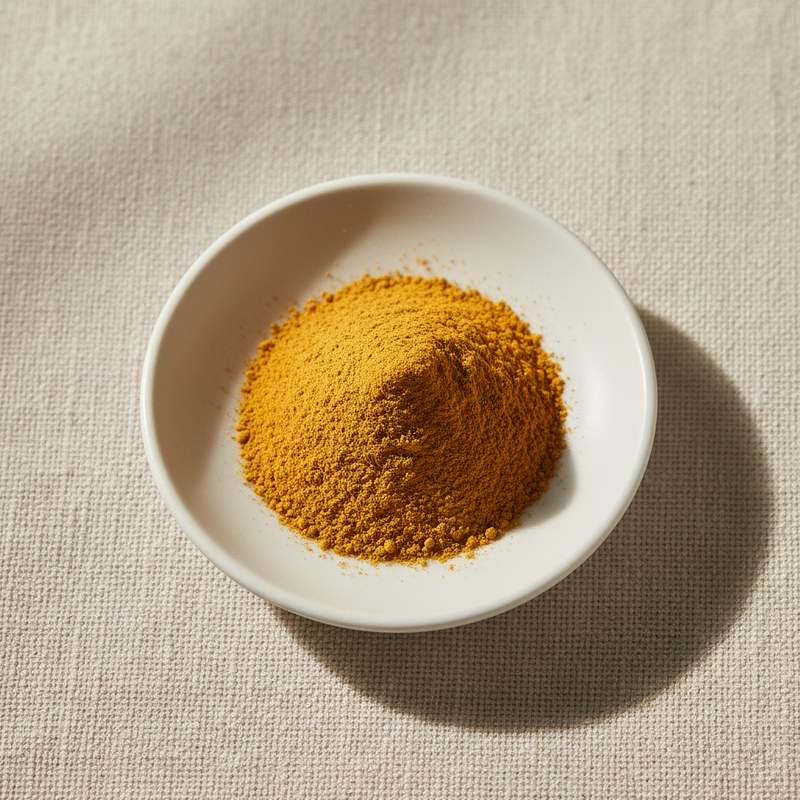
Off-white to yellow free-flowing powder. Limited water solubility for individual flavonoids; the complex is supplied in soluble and modified-bioavailability forms for beverage and supplement applications.
We supply food-grade Citrus Bioflavonoids from manufacturers in China holding ISO, Halal, Kosher and other certifications relevant to the product and production.
Common market grades include Citrus Bioflavonoids 50 percent (the workhorse supplement grade), Citrus Bioflavonoids 60 percent, Citrus Bioflavonoids 80 percent (premium grade), and the standardized hesperidin and naringin component grades (supplied separately).
Bulk and reduced-MOQ shipments. Batch-level COA covering total bioflavonoids (UV), hesperidin and naringin content (HPLC), residual solvents, heavy metals, pesticides, and microbiology.
Introduction
Citrus Bioflavonoids were first characterized in the 1930s by Albert Szent-Gyorgyi (Nobel Prize in Physiology or Medicine 1937) as a factor in citrus that supported capillary integrity, originally proposed as 'Vitamin P.' The term Vitamin P was later withdrawn as the compounds were determined not to be essential nutrients, but the historical association with Vitamin C in vascular and immune support remains commercially significant.
Industrial production proceeds by hot-water and hydroalcoholic extraction of citrus peel (a substantial byproduct of citrus juice production), followed by precipitation, decolorization, and standardization. Component flavonoid ratios depend on source species: sweet orange peel emphasizes hesperidin, bitter orange and grapefruit emphasize naringin and neohesperidin.
Recognized as a permitted food ingredient by the U.S. FDA (GRAS), the European Food Safety Authority, and equivalent regulators worldwide.
Clinical evidence for vascular support (capillary fragility, hemorrhoid management, chronic venous insufficiency) is established, with hesperidin and diosmin-hesperidin combinations approved as pharmaceutical products in several European jurisdictions for these indications.
Strategic positioning combines vascular-support supplements (the premium positioning segment), Vitamin C companion ingredient applications (the traditional volume segment), and pharmaceutical vascular medications in regulated markets.
Where it is used
- Vascular-support dietary supplements: capillary fragility, hemorrhoid support, and chronic venous insufficiency positioning
- Vitamin C supplements: traditional companion ingredient (the historical 'Vitamin P' positioning)
- Immune-support and antioxidant supplement formulations
- Cardiovascular and lipid-support supplements
- Pharmaceutical applications: vascular medications and dietary fiber tablets
- Cosmetic skincare: anti-aging and capillary-support formulations
- Natural food bittering agent (naringin specifically, in beverage flavoring)
- Functional beverages: wellness shots and antioxidant drinks
Technical data
| Item | Specification |
|---|---|
| Appearance | Off-white to yellow free-flowing powder |
| Total bioflavonoids (UV) | 50% / 60% / 80% (grade dependent) |
| Hesperidin (HPLC) | ≥ 25% of total flavonoids (orange-peel grades) |
| Naringin (HPLC) | ≥ 20% of total flavonoids (bitter-orange grades) |
| Loss on drying | ≤ 5.0% |
| Heavy metals (as Pb) | ≤ 2 mg/kg |
| Total plate count | ≤ 1000 cfu/g |
| Source | Citrus sinensis, C. aurantium, or C. limon peel |
Related ingredients
Ready to discuss business?
Send us your spec and requirement. We will respond with availability and pricing within 24 hours.