Description
A flavanone glycoside extracted from grapefruit peel and bitter orange peel. Used as a flavoring bittering agent in beverages and pharmaceuticals, as a dietary supplement antioxidant, and as the feedstock for industrial production of Neohesperidin Dihydrochalcone (a high-intensity sweetener).
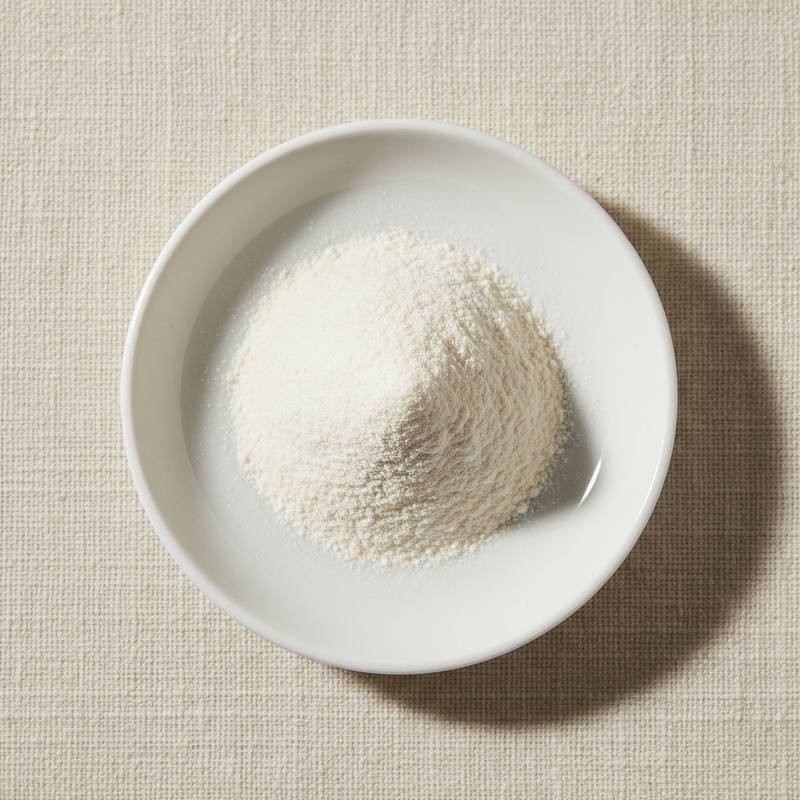
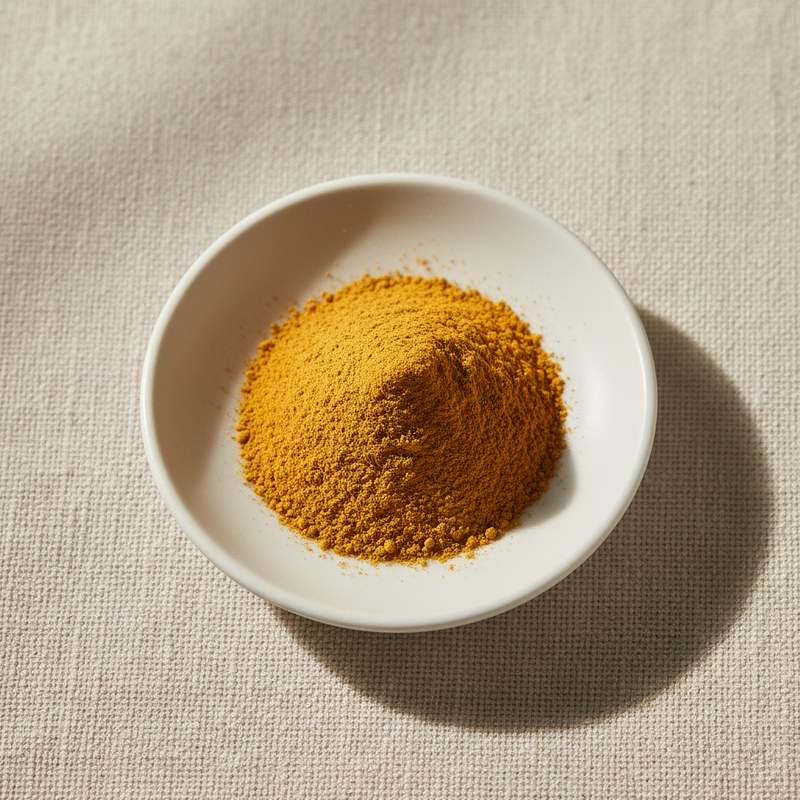
Light yellow to almost white free-flowing powder with characteristic intensely bitter taste. Limited water solubility; freely soluble in alcohol and alkaline solutions.
We supply food-grade Naringin from manufacturers in China holding ISO, Halal, Kosher and other certifications relevant to the product and production.
Common market grades include Naringin 90 percent (the standard supplement and flavor-application grade), Naringin 95 percent (premium grade meeting JECFA specifications), Naringin 98 percent (pharmaceutical-feedstock grade for Neohesperidin Dihydrochalcone production), and Naringin Dihydrochalcone (the hydrogenated sweet derivative).
Bulk and reduced-MOQ shipments. Batch-level COA covering naringin content (HPLC), hesperidin and neohesperidin impurities, residual solvents, heavy metals, and microbiology.
Introduction
Naringin was first isolated from grapefruit peel in 1857 and is the compound responsible for the characteristic bitter taste of grapefruit. The compound was the source of the celebrated 'grapefruit juice effect' in pharmacology, where co-administered grapefruit juice causes substantial increases in plasma concentrations of many co-administered drugs through CYP3A4 inhibition.
Industrial production proceeds by alkaline extraction of dried grapefruit or bitter orange peels (byproducts of the juice industry), acid precipitation, and recrystallization to defined purity. The compound is the feedstock for industrial Neohesperidin Dihydrochalcone synthesis, which dominates global naringin volume.
Recognized as a permitted food ingredient by the U.S. FDA (GRAS), the European Food Safety Authority (E959 is the related Neohesperidin Dihydrochalcone), and equivalent regulators worldwide.
Clinical research supports antioxidant, anti-inflammatory, and metabolic-modulating activity, although typical supplement doses are below the doses required to produce clinically-meaningful pharmacokinetic interactions (the grapefruit-juice effect requires substantial daily naringin intake from multiple glasses of grapefruit juice).
Strategic positioning splits between pharmaceutical feedstock supply for Neohesperidin Dihydrochalcone production (the largest volume application), bittering-agent applications in beverages, and growing dietary supplement applications positioned for antioxidant and metabolic support.
Where it is used
- Pharmaceutical feedstock: starting material for Neohesperidin Dihydrochalcone synthesis (the largest volume application)
- Bittering agent: beverages including bitter aperitifs, tonic water, and bitter herbal liqueurs
- Cardiovascular and metabolic-support dietary supplements
- Bioenhancer applications: Naringin inhibits CYP3A4 and increases bioavailability of co-administered compounds (the source of the well-known grapefruit-juice drug interaction)
- Cosmetic skincare: antioxidant and anti-aging formulations
- Traditional Chinese Medicine product formulations
- Functional beverages: bitter wellness shots and clean-label citrus flavoring
Technical data
| Item | Specification |
|---|---|
| Appearance | Light yellow to almost white free-flowing powder |
| Naringin content (HPLC) | ≥ 90% / 95% / 98% (grade dependent) |
| Hesperidin impurity | ≤ 5.0% |
| Loss on drying | ≤ 6.0% |
| Residue on ignition | ≤ 5.0% |
| Heavy metals (as Pb) | ≤ 10 mg/kg |
| Total plate count | ≤ 1000 cfu/g |
| Source | Citrus paradisi or Citrus aurantium peels |
Related ingredients
Ready to discuss business?
Send us your spec and requirement. We will respond with availability and pricing within 24 hours.