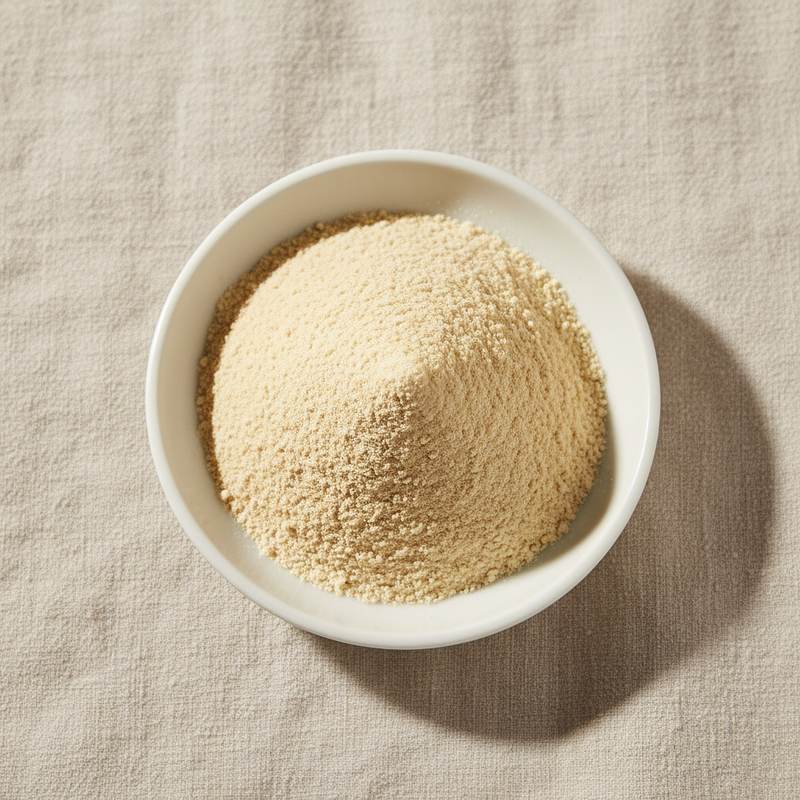
Description
Chickpea Protein is extracted from yellow chickpeas (Cicer arietinum) and refined to 70 to 80 percent protein on a dry basis. An emerging clean-label plant protein with neutral flavor, familiar consumer recognition through chickpea-based foods, and an attractive sustainability story.
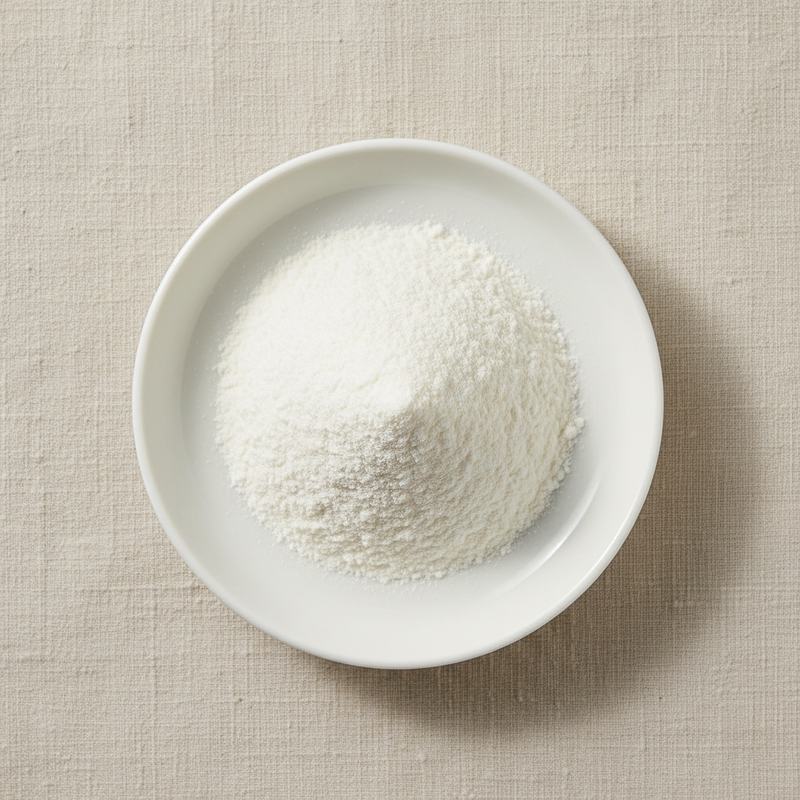
Protein content of 70 to 80 percent (Kjeldahl, N x 6.25). Light cream to pale yellow free-flowing powder with neutral, mildly nutty flavor that performs well in dairy-alternative and beverage applications.
The amino acid profile is well-balanced for a legume, with high lysine and BCAA content, methionine and cysteine as the first limiting amino acids. PDCAAS standalone is approximately 0.7 and reaches near 1.0 when blended with cereal proteins.
We supply food-grade Chickpea Protein from manufacturers in China holding ISO, HACCP, Halal, Kosher, non-GMO and other certifications relevant to the product and production.
Common market grades include 70 percent chickpea concentrate, 80 percent chickpea isolate, and texturized chickpea protein for meat-analog applications. Bulk and reduced-MOQ shipments. Batch-level COA covering protein, moisture, fat, ash, heavy metals, and microbiology.
Introduction
Chickpeas have been cultivated for at least 7,000 years across the Middle East, Mediterranean, India, and now globally. Commercial chickpea protein extraction is an emerging category that scaled in the late 2010s as formulators sought alternatives to soy and pea with a more familiar consumer story.
Manufacturing follows the standard legume protein route. Dehulled yellow chickpeas are finely milled. The flour is suspended in alkaline water to solubilize protein, clarified to remove insolubles, then either acid-precipitated at the isoelectric point or membrane-filtered to concentrate the protein. The protein is then neutralized, washed, and spray-dried.
Recognized as a permitted food ingredient by the U.S. FDA, regulated under EU food law, and free of any of the eight major U.S. allergens or 14 EU declarable allergens.
Amino acid quality positioning is well-balanced for a legume protein. The neutral flavor and pale color give chickpea protein a meaningful formulation advantage over pea and fava in dairy-alternative and clear-beverage applications.
Strategic positioning: chickpea protein is a clean-label, allergen-free, consumer-friendly plant protein with momentum in plant-based dairy and meat applications where flavor neutrality is a primary formulation requirement.
Where it is used
- Plant-based dairy alternatives: chickpea milks, yogurts, and cheeses
- Plant-based meat analogs: clean-flavor burgers, nuggets, and minced products
- Pasta and noodle fortification with consumer-familiar legume positioning
- Bakery fortification and gluten-free baked goods
- Nutrition bars and high-protein snacks
- Vegan sports nutrition blends
- Soups, hummus-style spreads, and savory applications
- Pet food: limited-ingredient and clean-label diets
Technical data
| Item | Specification |
|---|---|
| Appearance | Light cream to pale yellow free-flowing powder |
| Protein content (Kjeldahl, N x 6.25, dry basis) | ≥ 70.0% to 80.0% |
| Moisture | ≤ 8.0% |
| Fat | ≤ 8.0% |
| Ash | ≤ 6.0% |
| Crude fiber | ≤ 2.0% |
| Particle size | 95% through 80 mesh, or per customer specification |
| Lead (Pb) | ≤ 0.5 mg/kg |
| Arsenic (As) | ≤ 0.5 mg/kg |
| Cadmium (Cd) | ≤ 0.2 mg/kg |
| Total plate count | ≤ 30,000 CFU/g |
| Salmonella | Absent in 25 g |
| Allergen statement | Free from the eight major U.S. allergens and the 14 EU declarable allergens. |
| Source | Yellow chickpea (Cicer arietinum), non-GMO |
Related ingredients
Ready to discuss business?
Send us your spec and requirement. We will respond with availability and pricing within 24 hours.