Description
A full-spectrum extract from common or tartary buckwheat (Fagopyrum esculentum or Fagopyrum tataricum) containing rutin, quercetin, and the wider polyphenol profile of the grain and sprout. Distinct from the marker-standardized buckwheat flavonoid concentrate (catalog id 8724), this grade preserves the broader phytochemical signature for cardiovascular and functional food applications.
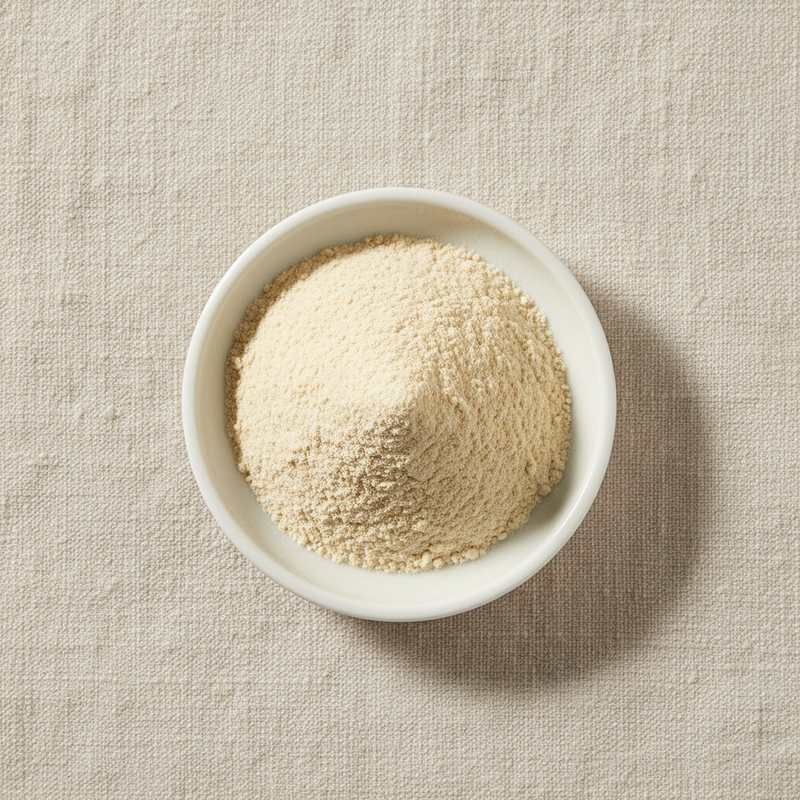
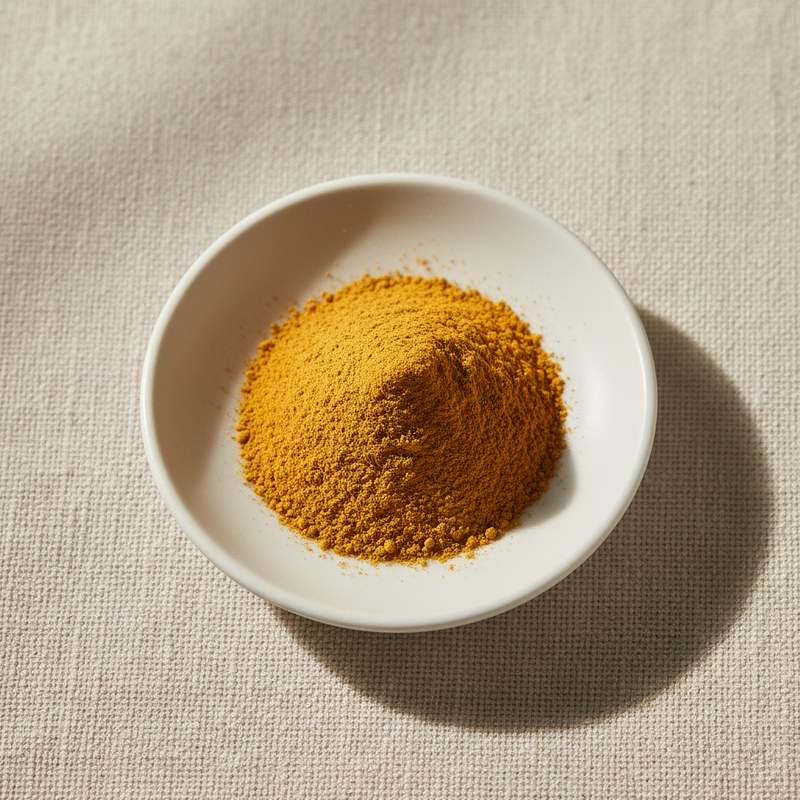
Light yellow-green to pale brown free-flowing powder. Partially water-soluble.
We supply food-grade Buckwheat Extract from manufacturers in China holding ISO, Halal, Kosher and other certifications relevant to the product and production. Organic-certified and tartary-buckwheat-specific grades are available.
Common market grades include 4:1 Concentration Ratio (standard fortified-food grade), 10:1 Concentration Ratio (premium concentrated grade), 4 percent Rutin (the supplement workhorse), 10 percent Rutin (premium grade), and Tartary Buckwheat Sprout Powder (higher-rutin natural variant).
Bulk and reduced-MOQ shipments. Batch-level COA covering rutin content (HPLC), quercetin content, residual solvents, heavy metals, pesticides, and microbiology.
Introduction
Buckwheat is a pseudocereal cultivated since antiquity across central and east Asia. Tartary buckwheat in particular has emerged as a functional food category in China, Korea, and parts of Europe, with extensive published research on its flavonoid and d-chiro-inositol content for cardiovascular and metabolic applications.
Industrial production proceeds by hot-water or hydroalcoholic extraction of the whole grain, sprout, or hull, followed by concentration and spray-drying. Rutin is concentrated in the hull and sprout fractions, which are preferred for extraction feedstock.
Recognized as a permitted food ingredient by the U.S. FDA, the European Food Safety Authority, and equivalent regulators worldwide as a traditional food source.
The flavonoid profile of tartary buckwheat in particular is unusually rich, with rutin content 10 to 100 times higher than common buckwheat. The grain also contains d-chiro-inositol, a compound studied for glucose-metabolism effects.
Strategic positioning combines functional food and tea applications (the volume-driving categories in Asia), cardiovascular dietary supplements, and emerging metabolic-health applications.
Where it is used
- Cardiovascular-support dietary supplements
- Functional fortified foods: cardiovascular-positioned cereals, breads, and bars
- Tartary buckwheat tea and infusion products (a category leader in regional Asian markets)
- Antioxidant supplement formulations
- Pre-diabetic and blood-sugar-support functional foods
- Premium fortified beverages and wellness drinks
- Sports nutrition: recovery and antioxidant formulations
- Veterinary applications for vascular health
Technical data
| Item | Specification |
|---|---|
| Appearance | Light yellow-green to pale brown free-flowing powder |
| Concentration ratio | 4:1 / 10:1 (grade dependent) |
| Rutin content (HPLC) | 4% / 10% (grade dependent) |
| Quercetin content | typically 0.5 to 1.5% |
| Loss on drying | ≤ 5.0% |
| Heavy metals (as Pb) | ≤ 2 mg/kg |
| Total plate count | ≤ 1000 cfu/g |
| Source | Fagopyrum esculentum or F. tataricum grain/sprout/hull |
Related ingredients
Ready to discuss business?
Send us your spec and requirement. We will respond with availability and pricing within 24 hours.