Description
A flavonol aglycone produced industrially by hydrolysis of rutin (which is extracted from Sophora japonica flower buds). Used as a polyphenolic antioxidant and immune-modulating ingredient in dietary supplements, reaching prominence during the COVID-19 era for respiratory and immune positioning.
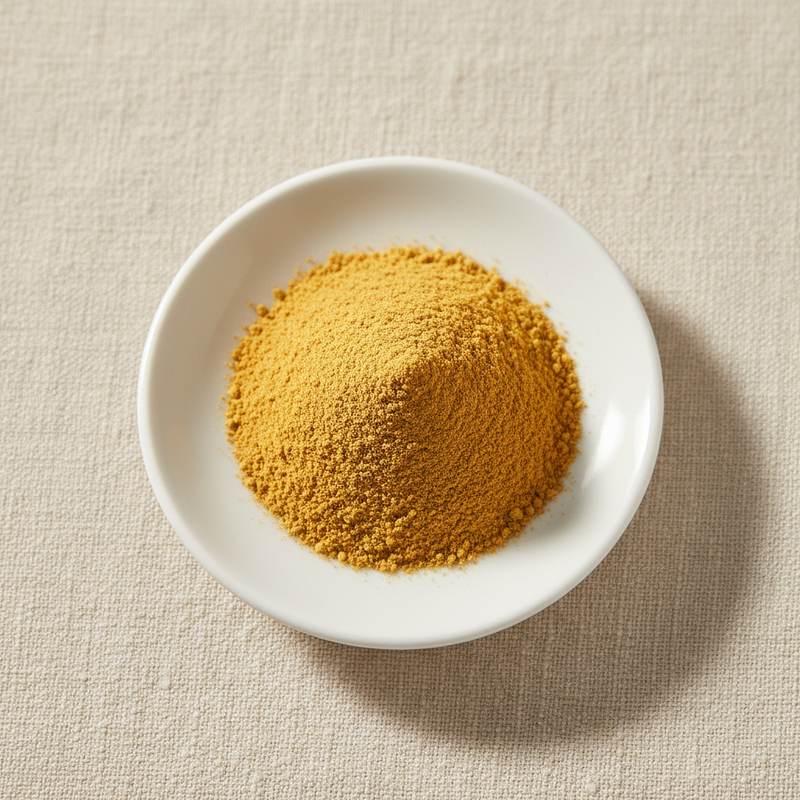
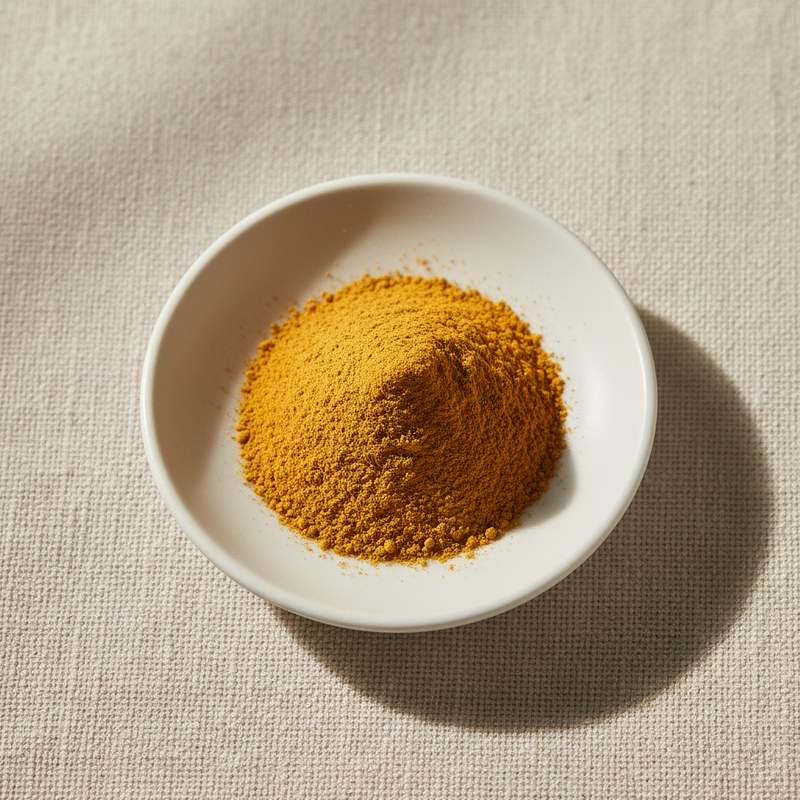
Yellow to greenish-yellow free-flowing powder. Very limited water solubility; phytosome, glycoside, and dihydrate forms have improved bioavailability.
We supply food-grade Quercetin from manufacturers in China holding ISO, Halal, Kosher and other certifications relevant to the product and production.
Common market grades include Quercetin Anhydrous 95 percent (standard supplement grade), Quercetin Dihydrate 98 percent (the most-traded pharmaceutical grade), Quercetin 99 percent (premium grade), and Quercetin Phytosome (the bioavailability-enhanced premium format).
Bulk and reduced-MOQ shipments. Batch-level COA covering quercetin content (HPLC), water content, residual rutin, residual solvents, heavy metals, and microbiology.
Introduction
Quercetin is one of the most widely-distributed flavonols in plant foods, occurring in onions, apples, berries, capers, and many other plant materials. Industrial supplement-grade material is produced principally from Sophora japonica flower buds via rutin extraction and subsequent hydrolytic removal of the rutinose sugar.
Industrial production proceeds by hot-water extraction of Sophora japonica buds to yield rutin, followed by acid or enzymatic hydrolysis to yield quercetin aglycone, recrystallization to defined purity, and optionally further bioavailability-enhancement processing (phytosome complexation with phosphatidylcholine, glycosylation, or co-formulation with bromelain).
Recognized as a permitted food ingredient by the U.S. FDA (GRAS), the European Food Safety Authority, and equivalent regulators worldwide.
The compound experienced an extraordinary commercial surge during the COVID-19 era, supported by mechanistic in-vitro studies suggesting zinc-ionophore activity and antiviral mechanisms. Clinical evidence for respiratory and immune applications at typical supplement doses remains debated, but consumer demand has supported sustained market growth.
Strategic positioning targets the immune-support and allergy-management dietary supplement segments, with growing applications in cardiovascular health, senolytic anti-aging positioning, and sports nutrition.
Where it is used
- Immune-support dietary supplements: the dominant commercial application post-2020
- Allergy-management and antihistamine-positioned supplement formulations
- Cardiovascular and blood-pressure-support supplements
- Sports nutrition: anti-inflammatory and recovery-positioned products
- Anti-aging and longevity supplements (senolytic positioning)
- Cosmetic skincare: antioxidant and anti-inflammatory formulations
- Combination formulations with bromelain, Vitamin C, and zinc
- Pharmaceutical research applications
Technical data
| Item | Specification |
|---|---|
| Appearance | Yellow to greenish-yellow free-flowing powder |
| Quercetin content (HPLC, anhydrous basis) | ≥ 95% / 98% / 99% (grade dependent) |
| Water content (Karl Fischer) | ≤ 1% (anhydrous) / 9 to 10% (dihydrate) |
| Residual rutin | ≤ 0.5% |
| Loss on drying (anhydrous) | ≤ 5.0% |
| Heavy metals (as Pb) | ≤ 10 mg/kg |
| Total plate count | ≤ 1000 cfu/g |
| Source | Sophora japonica flower buds (via rutin) |
Related ingredients
Ready to discuss business?
Send us your spec and requirement. We will respond with availability and pricing within 24 hours.