Description
The high-purity polysaccharide fraction isolated from Astragalus membranaceus root (huang qi), standardized to Astragalus Polysaccharide (APS) content. This grade differs from general Astragalus extracts (which standardize to astragaloside IV) by isolating the immune-modulating polysaccharide fraction at substantially higher purity.
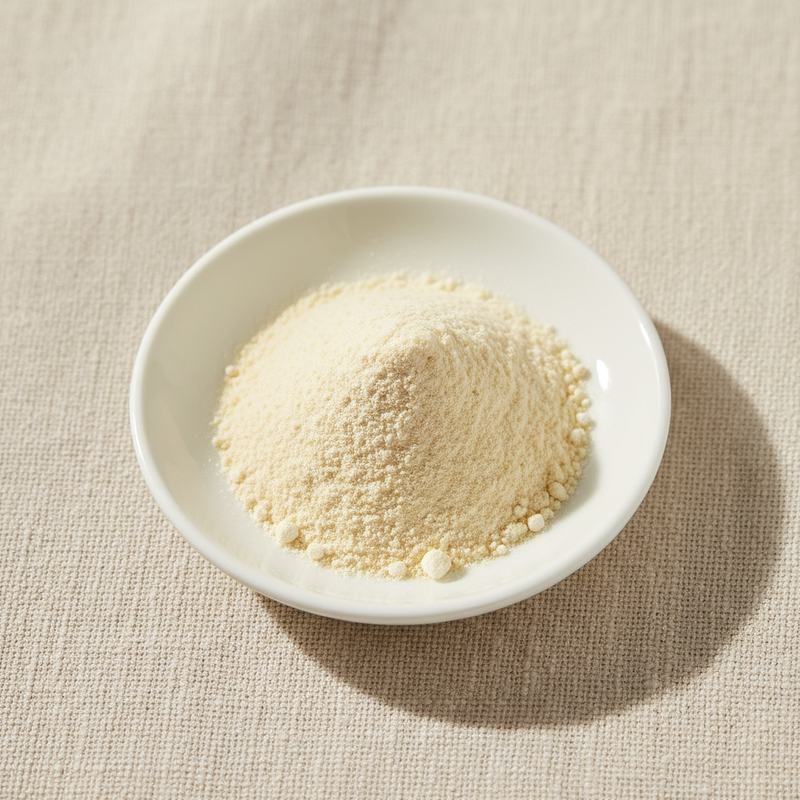
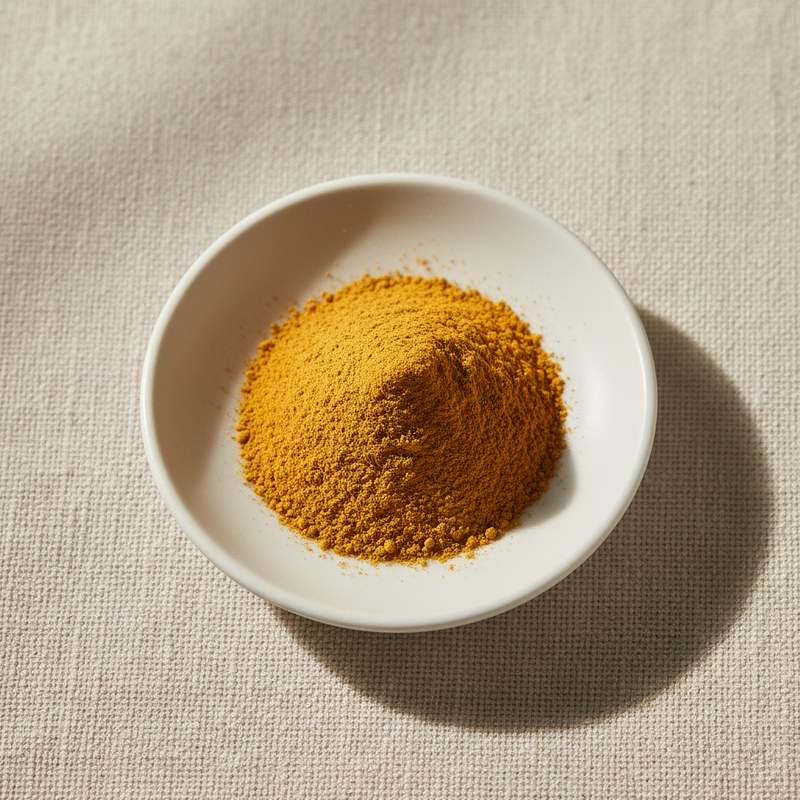
Pale yellow to light brown free-flowing powder. Highly water-soluble.
We supply food-grade Astragalus Polysaccharide from manufacturers in China holding ISO, Halal, Kosher and other certifications relevant to the product and production.
Common market grades include 30 percent APS (cost-effective baseline), 50 percent APS (standard supplement grade), 70 percent APS (premium grade), and 90 percent APS (high-end grade for pharmaceutical research and premium veterinary applications).
Bulk and reduced-MOQ shipments. Batch-level COA covering APS content (UV), total polysaccharides, residual solvents, heavy metals, pesticides, and microbiology.
Introduction
Astragalus root has been a cornerstone of Traditional Chinese Medicine for over 2,000 years, classified as a superior tonic herb in the Shen Nong Ben Cao Jing. The root's principal active components fall into two classes: triterpene saponins (notably astragaloside IV) and complex polysaccharides (APS), with the latter responsible for most immune-modulating activity.
Industrial production proceeds by hot-water extraction of dried Astragalus roots, followed by ethanol precipitation of polysaccharides, ultrafiltration, and spray-drying. Higher-purity grades require additional chromatographic separation and command substantial cost premiums.
Recognized as a permitted food ingredient by the U.S. FDA (GRAS) and equivalent regulators worldwide. Approved as a Traditional Chinese Medicine in China and several Asian markets.
Clinical evidence supports immune-modulation effects, particularly in cancer-supportive care where APS has been studied as an adjuvant to chemotherapy for reducing immunosuppression and improving quality of life. The compound's veterinary application in aquaculture has driven substantial volume growth over the past decade.
Strategic positioning splits between premium immune-support dietary supplements (the high-unit-value segment) and veterinary feed additives (the high-volume segment, particularly in Asian aquaculture).
Where it is used
- Immune-support dietary supplements: the dominant commercial application
- Adaptogen and energy-positioned supplement formulations
- Traditional Chinese Medicine: huang qi modern granule and tablet formats
- Veterinary applications: immune-support and adaptogenic positioning in livestock and aquaculture (the largest volume application by tonnage)
- Aquaculture feed additives for shrimp and fish disease resistance
- Pharmaceutical research applications including oncology adjuvant research
- Functional beverages: wellness shots and immune-support drinks
Technical data
| Item | Specification |
|---|---|
| Appearance | Pale yellow to light brown free-flowing powder |
| APS content (UV) | 30% / 50% / 70% / 90% (grade dependent) |
| Total polysaccharides | typically 1.1 to 1.3 times APS content |
| Loss on drying | ≤ 7.0% |
| Residue on ignition | ≤ 5.0% |
| Heavy metals (as Pb) | ≤ 2 mg/kg |
| Total plate count | ≤ 1000 cfu/g |
| Source | Astragalus membranaceus roots |
Related ingredients
Ready to discuss business?
Send us your spec and requirement. We will respond with availability and pricing within 24 hours.