Description
Acesulfame-K is the standard short-name commercial form of Acesulfame Potassium, the non-nutritive high-intensity sweetener at approximately 200 times the sweetness of sucrose with zero calories.
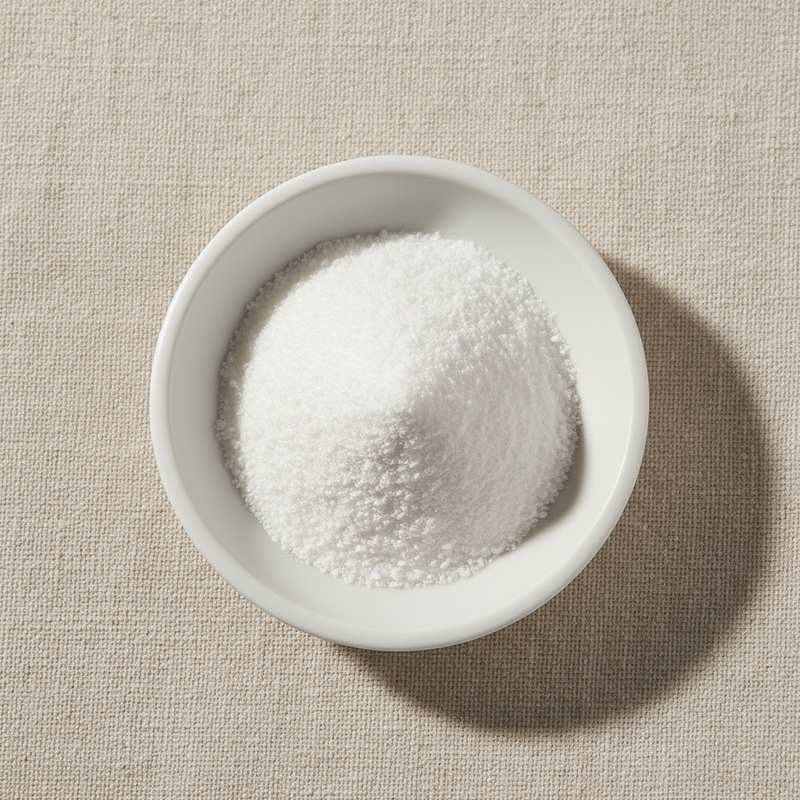
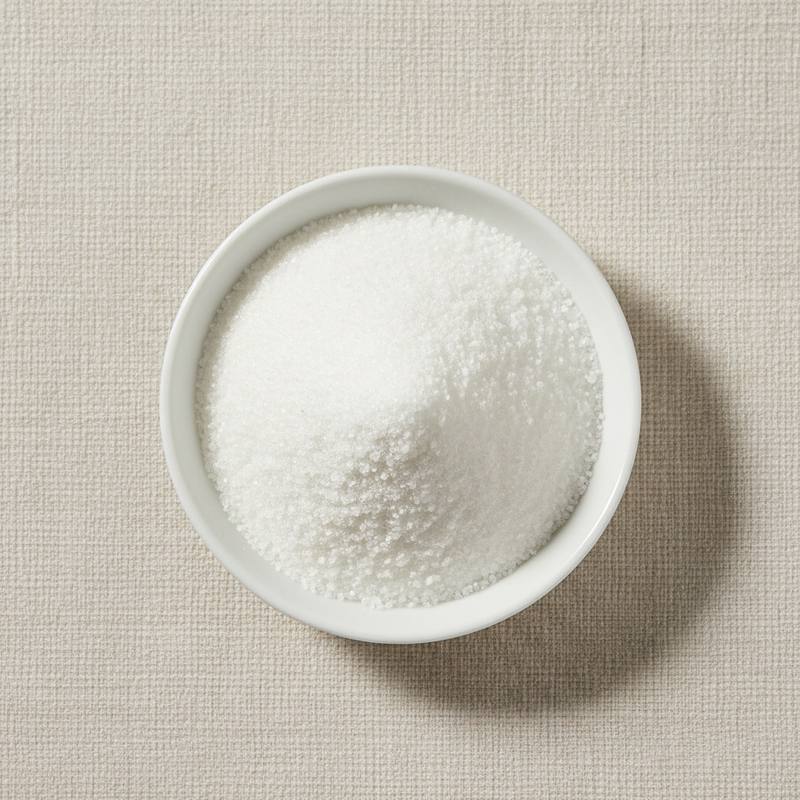
White crystalline powder. This SKU represents the tighter-spec material with reduced fluoride and organic impurity ceilings, suitable for premium beverage and pharmaceutical applications where the standard food-grade tolerances are not sufficient.
We supply food-grade and pharmaceutical-grade Acesulfame-K from manufacturers in China holding ISO, Halal, Kosher and other certifications relevant to the product and production.
Common market grades include Standard Food Grade (matches Ace-K specifications used in most carbonated beverage and confectionery formulations), Pharmaceutical Grade (tighter heavy-metal and impurity tolerances), and Direct-Compression (DC) grade for pharmaceutical tableting.
Bulk and reduced-MOQ shipments. Batch-level COA covering assay, fluoride, organic impurities, lead, arsenic, and microbiology.
Introduction
Acesulfame-K is the trade-shorthand name for Acesulfame Potassium and is the form most commonly seen on supplier price lists, technical sheets, and ingredient declarations.
The molecule was first synthesized by Hoechst AG in 1967 and approved for global food use from the 1980s onward. Regulated as E950 in the EU, classified GRAS by the U.S. FDA, and approved by JECFA with an Acceptable Daily Intake of 15 mg per kg body weight.
This SKU is differentiated from the parent Acesulfame Potassium product (catalog id 95) by tighter impurity tolerances: fluoride ceiling at 3 mg/kg and organic impurities at 10 mg/kg, both below the standard food-grade ceilings of 30 mg/kg and 20 mg/kg respectively.
The tighter spec serves customers in premium beverage, infant nutrition, and pharmaceutical markets where the standard ceilings are not sufficient for either regulatory submission or finished-product quality targets.
Functionally the molecule behaves identically to the standard grade: heat-stable through baking and UHT, not metabolized, frequently blended with sucralose at 1:1 to 2:1 to round the sweetness curve.
Where it is used
- Sugar-free carbonated and still beverages, sports drinks, and RTD teas, dosed at 30 to 110 mg per liter
- Sugar-free dairy: yogurt, flavored milk, ice cream, and frozen desserts
- Tabletop sweetener formats: sachets, tablets, and 1:1 sugar-replacement blends
- Sugar-free baked goods requiring stability through oven temperatures
- Sugar-free chewing gum, hard candies, lozenges, and confectionery coatings
- Pharmaceutical syrups, cough preparations, and effervescent tablets; masks bitter actives
- Oral care: toothpaste, mouthwash, chewable dental tablets
- Diabetic and clinical nutrition formulas requiring non-glycemic sweetening
Technical data
| Item | Specification |
|---|---|
| Appearance | White crystalline powder |
| Assay (dried basis) | 99.0% to 101.0% |
| Loss on drying | ≤ 1.0% |
| pH (1% solution) | 5.5 to 7.5 |
| Fluoride | ≤ 3 mg/kg |
| Organic impurities | ≤ 10 mg/kg |
| Heavy metals (as Pb) | ≤ 5 mg/kg |
| Lead (as Pb) | ≤ 1 mg/kg |
| Arsenic (as As) | ≤ 1 mg/kg |
Related ingredients
Ready to discuss business?
Send us your spec and requirement. We will respond with availability and pricing within 24 hours.