Description
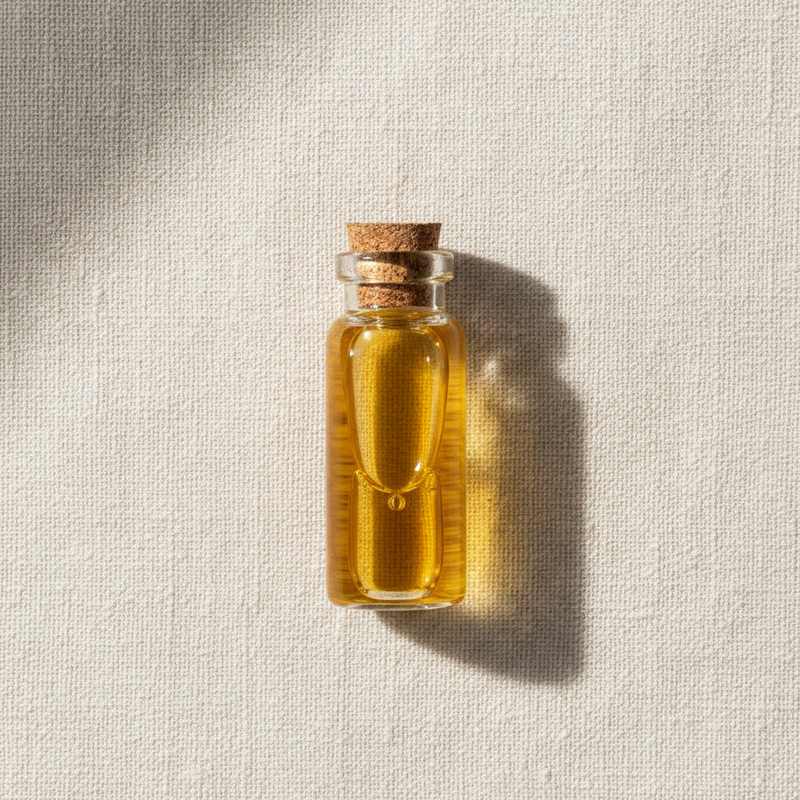
A thick natural syrup produced by concentrating the juice of yacon root (Smallanthus sonchifolius), a tuber native to the Andes. Sweetness comparable to honey or molasses, but with a uniquely low caloric load of approximately 1.3 kcal per gram and a glycemic index of about 1.
Dark amber to deep brown viscous syrup with a flavor profile combining caramel, raisin, and molasses notes. The defining compositional feature is high content of fructooligosaccharides (FOS) and inulin, which make up 40 to 50 percent of dry weight and act as recognized prebiotic fibers.
We supply food-grade Yacon Syrup from manufacturers in China and Peru holding ISO, Halal, Kosher, USDA Organic, and other certifications relevant to the product and production.
Common market grades include standard 70 Brix Yacon Syrup, premium 75 Brix concentrate, certified-organic syrup, and spray-dried Yacon Powder for dry-blend applications.
Bulk and reduced-MOQ shipments. Batch-level COA covering Brix, FOS content, sugars profile, heavy metals, pesticide residues, and microbiology.
Introduction
Yacon has been cultivated in the Andes for at least two thousand years, where the tubers are eaten fresh and traditionally used as a sweet, hydrating food during long journeys. The concentrated syrup form is a modern product, developed for the natural-food and diabetic-nutrition markets in Japan and Brazil during the 1990s and reaching broad international distribution after 2005.
Production starts with fresh-harvested yacon roots, which contain 70 to 80 percent water and a sugar profile that is unusual among root crops: instead of starch, yacon stores its carbohydrate as fructans (oligofructose and inulin). Roots are washed, sliced, and pressed to yield a clear juice, which is then concentrated under vacuum to 70 Brix or higher. Careful temperature control during evaporation preserves the FOS chain length and prevents hydrolysis to free fructose.
Regulated as a Novel Food in the EU since 2014, classified as Generally Recognized as Safe by the U.S. FDA for use as a food ingredient, and recognized as a traditional food in Peru, Brazil, and Japan. JECFA has not set a numerical Acceptable Daily Intake limit.
The strategic position is unusual. Yacon Syrup looks, pours, and tastes like a conventional syrup but delivers most of its sweetness from fructooligosaccharides that are not digested in the small intestine. Approximately 50 to 70 percent of the syrup mass passes to the colon, where it is fermented by Bifidobacterium and Lactobacillus species and contributes recognized prebiotic activity. The remaining absorbed fraction (mostly free fructose and glucose) produces only a modest glycemic response. The result is a syrup with a glycemic index near 1 and a caloric value about a third that of conventional syrups, supporting positioning in diabetic, prebiotic, and weight-management product lines.
Where it is used
- Diabetic and low-glycemic functional foods, energy bars, and breakfast cereals
- Prebiotic and gut-health supplements; capsule fills and liquid formulations
- Natural and clean-label tabletop syrup positioned against maple syrup and honey
- Vegan, paleo, and whole-food product lines
- Smoothies, protein drinks, and meal-replacement beverages
- Premium yogurts and dairy applications targeting prebiotic claims
- Children's products positioned as refined-sugar-free
- Weight-management and metabolic-health formulations
Technical data
| Item | Specification |
|---|---|
| Appearance | Dark amber to deep brown viscous syrup |
| Brix | 70 ± 2 (standard) or 75 ± 2 (premium) |
| Fructooligosaccharides (FOS, dry basis) | ≥ 40% |
| Free fructose plus glucose | ≤ 25% |
| Sucrose | ≤ 10% |
| pH | 3.5 to 5.5 |
| Heavy metals (as Pb) | ≤ 1 mg/kg |
| Arsenic | ≤ 0.5 mg/kg |
| Pesticide residues | Conforms to applicable national MRLs |
| Total plate count | ≤ 1,000 CFU/g |
Related ingredients
Ready to discuss business?
Send us your spec and requirement. We will respond with availability and pricing within 24 hours.