Description
A short-chain prebiotic fiber composed of 2 to 4 fructose units linked through beta-(2,1) glycosidic bonds to a terminal glucose. The most widely studied prebiotic across the past three decades.
Mildly sweet (approximately 30 to 50 percent of sucrose sweetness) with a clean taste profile. Highly water-soluble. Selectively fermented by Bifidobacterium and Lactobacillus species in the colon.
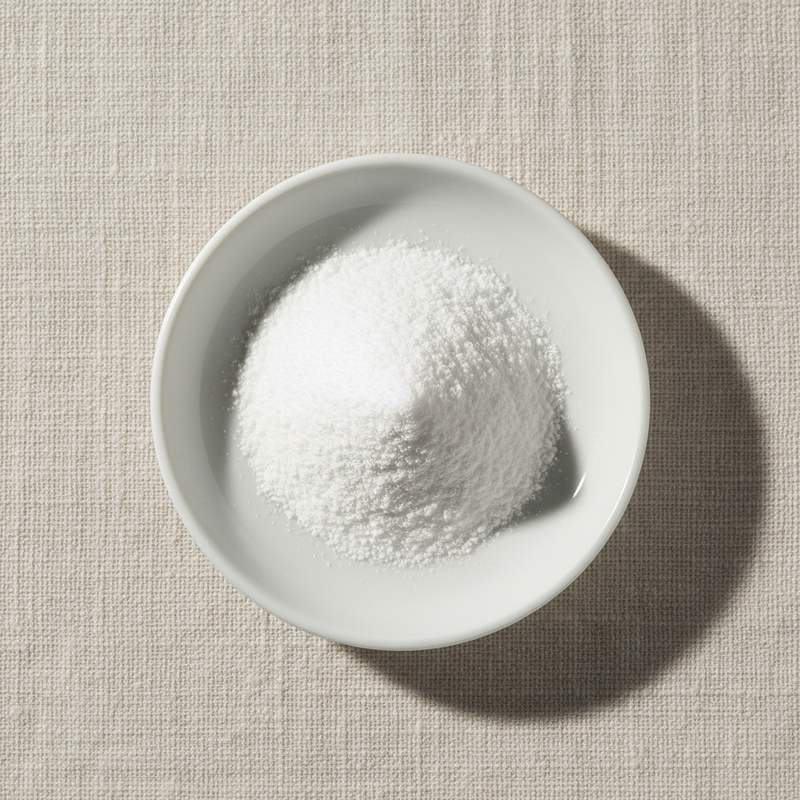
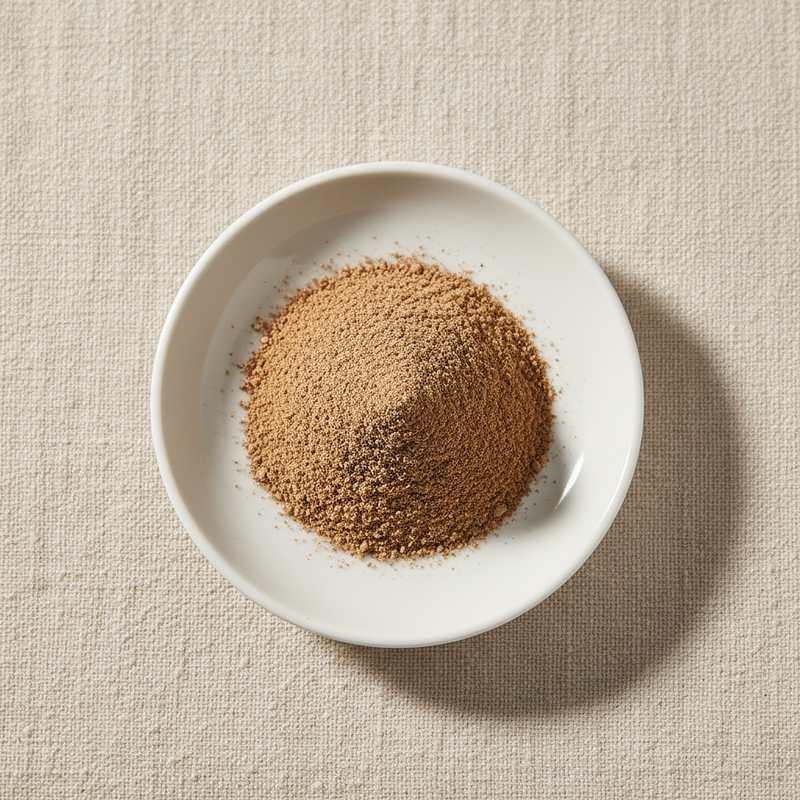
White to off-white powder or 75 percent solids syrup. FOS content typically 95 percent or higher in purified powder; standard syrup grades carry FOS plus residual sucrose, glucose, and fructose.
We supply food-grade Fructooligosaccharides from manufacturers in China holding ISO, HACCP, Halal, Kosher, and Non-GMO Project certifications relevant to the product and production.
Common market grades include FOS 95 percent powder (P95), FOS 55 percent syrup (the dominant beverage and dairy format), and FOS 90 percent syrup. Two distinct manufacturing routes are recognized: enzymatic conversion of sucrose using fungal beta-fructofuranosidase, and partial hydrolysis of chicory inulin.
Bulk and reduced-MOQ shipments. Batch-level COA covering FOS content (HPLC), DP profile, residual sugars, moisture, ash, heavy metals, and microbiology.
Introduction
Fructooligosaccharides occur naturally in plants including chicory, Jerusalem artichoke, garlic, onion, asparagus, and banana, typically at 1 to 10 percent of dry weight. Industrial production uses one of two routes: enzymatic synthesis from sucrose by Aspergillus or Aureobasidium beta-fructofuranosidase, or partial hydrolysis of chicory inulin yielding short-chain fructans known as oligofructose.
The two product families differ slightly in average degree of polymerization (DP 2 to 4 for sucrose-derived FOS, DP 2 to 9 for inulin-derived oligofructose) but are essentially equivalent in prebiotic function. Selective fermentation in the proximal colon by bifidobacteria and lactobacilli is the mechanistic basis for the broad prebiotic claim set.
Regulatory status is favorable across major markets. The U.S. FDA recognized FOS and oligofructose as dietary fibers under the 2018 fiber-rule update. The EU permits dietary-fiber labeling under Regulation 1169/2011, and EFSA has issued Article 13.1 claims for digestive function and post-prandial glycemic response. China, Japan, and Korea recognize FOS in their respective health-food frameworks.
FOS occupies the entry-level position in the prebiotic category: lower cost than GOS and inulin per gram of prebiotic activity, mild sweetness that supports partial sugar replacement, and a long clinical-evidence base for safety and tolerability. The principal formulation constraint is gastrointestinal tolerance, which limits effective dosing in single applications to roughly 10 g per serving for most adult populations.
Where it is used
- Infant and pediatric formula prebiotic fortification
- Dairy including yogurt, fermented milk, and prebiotic dairy beverages
- Functional beverages and prebiotic sodas
- Bakery and breakfast cereals positioned for digestive health
- Dietary supplements and synbiotic formulas (FOS plus probiotic)
- Sugar-free and reduced-sugar confectionery as a partial sweetness and bulking agent
- Animal nutrition and pet food for gut health
- Clinical and medical nutrition formulas
Technical data
| Item | Specification |
|---|---|
| Appearance | White to off-white powder or colorless to light yellow syrup |
| Source | Sucrose enzymatic conversion or chicory inulin hydrolysis |
| FOS content (HPLC, dry basis) | ≥ 55.0% (syrup) to ≥ 95.0% (powder) |
| DP distribution | DP 2 to 4 (sucrose route), DP 2 to 9 (inulin route) |
| Moisture (powder) | ≤ 5.0% |
| Dry matter (syrup) | ≥ 75.0% |
| Ash | ≤ 0.4% |
| pH (10% solution) | 5.0 to 7.0 |
| Heavy metals (as Pb) | ≤ 1 mg/kg |
| Arsenic | ≤ 0.5 mg/kg |
| Total plate count | ≤ 1,000 CFU/g |
| Yeast and mold | ≤ 100 CFU/g |
| E. coli and Salmonella | Negative |
Related ingredients
Ready to discuss business?
Send us your spec and requirement. We will respond with availability and pricing within 24 hours.