Description
A sulfonic-acid amino acid derivative, conditionally essential in some life stages (notably infancy) and a major component of energy drinks globally. The defining ingredient of Red Bull and many sports/energy beverage formulations.
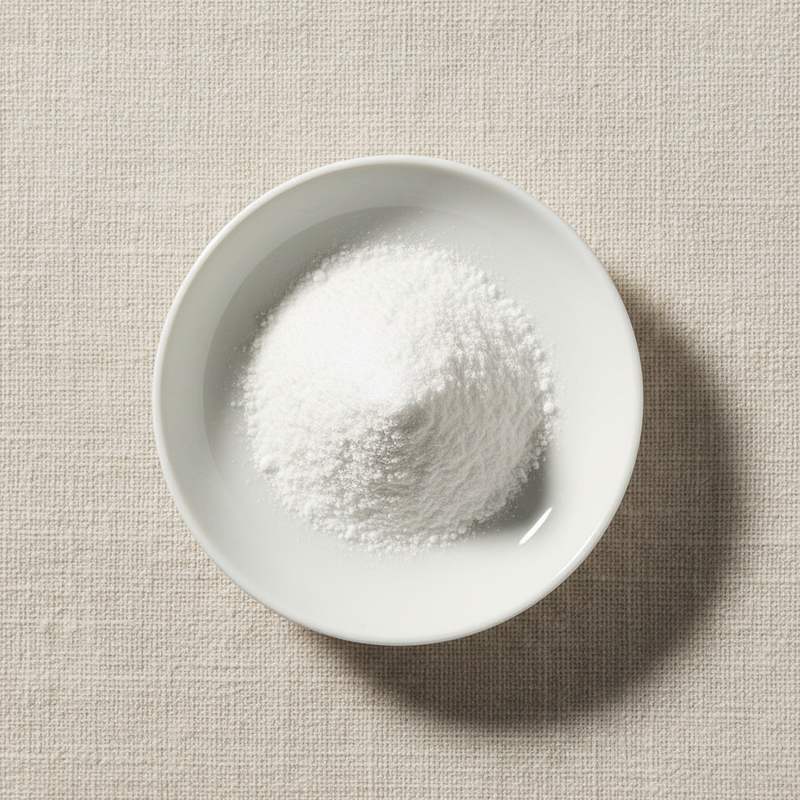
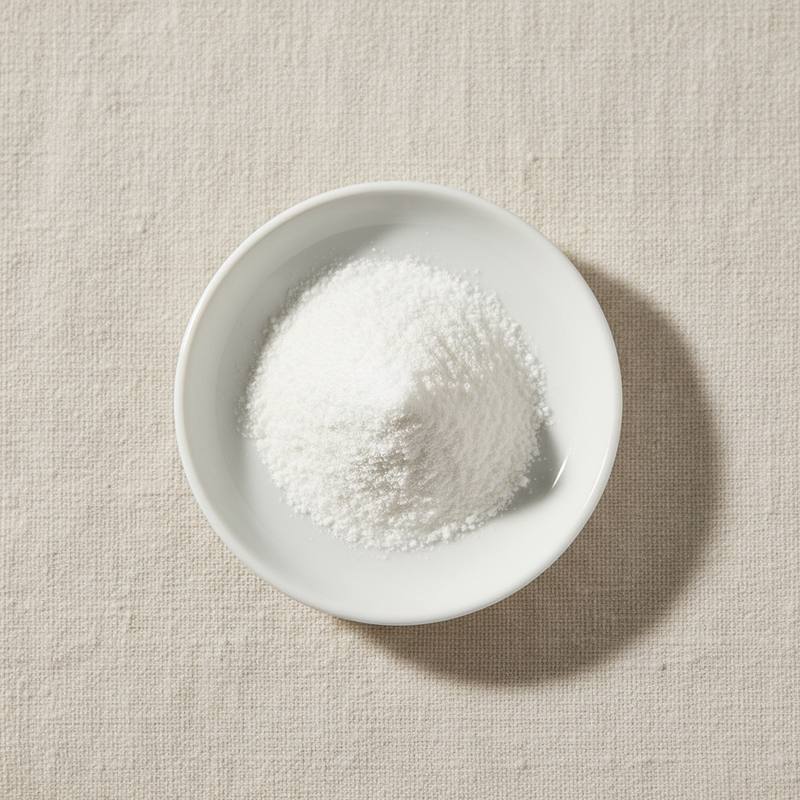
White crystalline powder. Highly water-soluble.
We supply food-grade and pharmaceutical-grade Taurine from manufacturers in China holding ISO, Halal, Kosher and other certifications relevant to the product and production.
Common market grades include Standard Food Grade 99 percent (the beverage-application workhorse), Pharmaceutical Grade meeting BP/USP/EP/JP specifications, and pre-blended Taurine systems for energy drink concentrate manufacturing.
Bulk and reduced-MOQ shipments. Batch-level COA covering assay, sulphate content, heavy metals, and microbiology.
Introduction
Taurine was first isolated from ox bile in 1827 (the name derives from the Latin taurus meaning bull). The molecule is technically a sulfonic-acid amino acid derivative rather than a proteinogenic amino acid: it is not incorporated into protein but plays essential roles in bile acid conjugation, calcium signaling, and antioxidant function.
Industrial production proceeds by chemical synthesis from ethanolamine or aziridine through addition of sulfite, yielding taurine at high purity.
Recognized as a permitted food ingredient by the U.S. FDA, the European Food Safety Authority, and equivalent regulators worldwide. Listed in BP, USP, EP, and JP pharmacopoeias.
The compound's dominant commercial application emerged with the launch of Red Bull in 1987 and the subsequent global expansion of the energy beverage category. Taurine at 400 to 1000 mg per serving is the defining ingredient that distinguishes 'energy drinks' from ordinary caffeinated beverages, though the functional effect of taurine specifically (versus the caffeine that typically accompanies it) remains scientifically debated.
Strategic positioning is dominated by energy beverage manufacturing (the volume application by a wide margin), with substantial use in pet food (the only essential application clinically) and in sports nutrition supplements.
Where it is used
- Energy drinks: the defining ingredient of Red Bull and most energy beverage formulations globally; typical dosing 400 to 1000 mg per serving
- Sports nutrition: pre-workout, recovery, and stamina-positioned formulations
- Infant formula fortification: mandatory in many regulated markets because taurine is conditionally essential for infants
- Pet food: cats specifically require dietary taurine; the deficiency causes feline central retinal degeneration
- Pharmaceutical applications: cardiovascular and hepatic-support formulations
- Dietary supplements: cardiovascular, vision, and general-health positioned products
- Functional beverages and shake mixes
Technical data
| Item | Specification |
|---|---|
| Appearance | White crystalline powder |
| Assay (dry basis) | 98.5% to 101.0% |
| Loss on drying | ≤ 0.2% |
| Residue on ignition | ≤ 0.1% |
| pH (10% solution) | 4.5 to 7.0 |
| Sulphate | ≤ 200 mg/kg |
| Heavy metals (as Pb) | ≤ 10 mg/kg |
| Particle size | Per customer specification |
Related ingredients
Ready to discuss business?
Send us your spec and requirement. We will respond with availability and pricing within 24 hours.