Description
Synbiotic Blends combine selected probiotic strains with prebiotic fibers (typically fructooligosaccharides, inulin, galactooligosaccharides, or resistant starch) to provide both live beneficial bacteria and a fermentable substrate that supports their growth and metabolic activity in the colon.
Supplied as a freeze-dried multi-strain powder pre-blended with crystalline or spray-dried prebiotic fibers at a defined probiotic-to-prebiotic ratio. Total viable count is standardized between 50 and 300 billion CFU per gram of finished blend depending on customer specification.
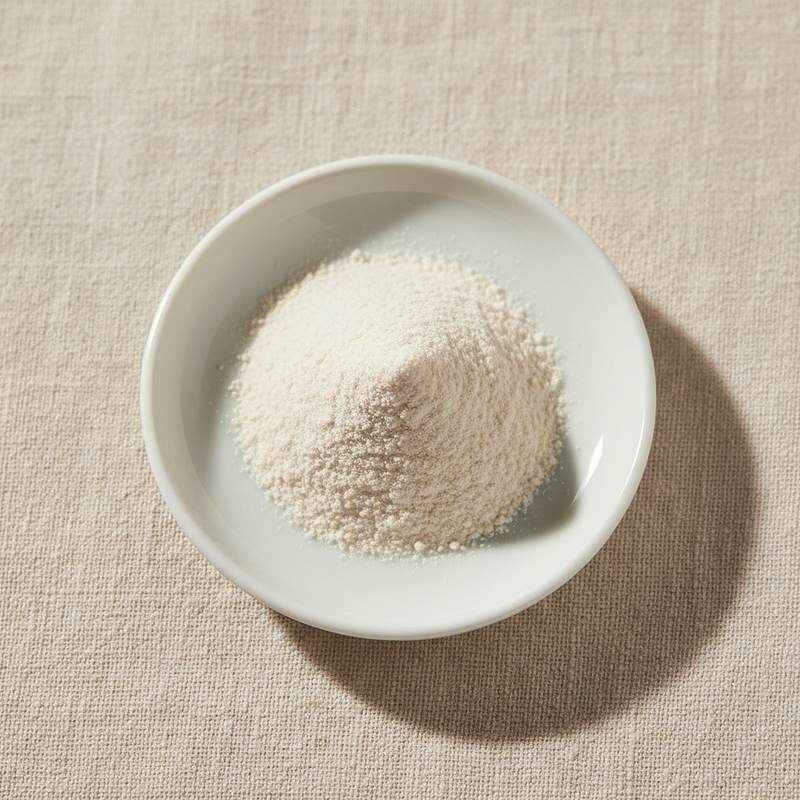
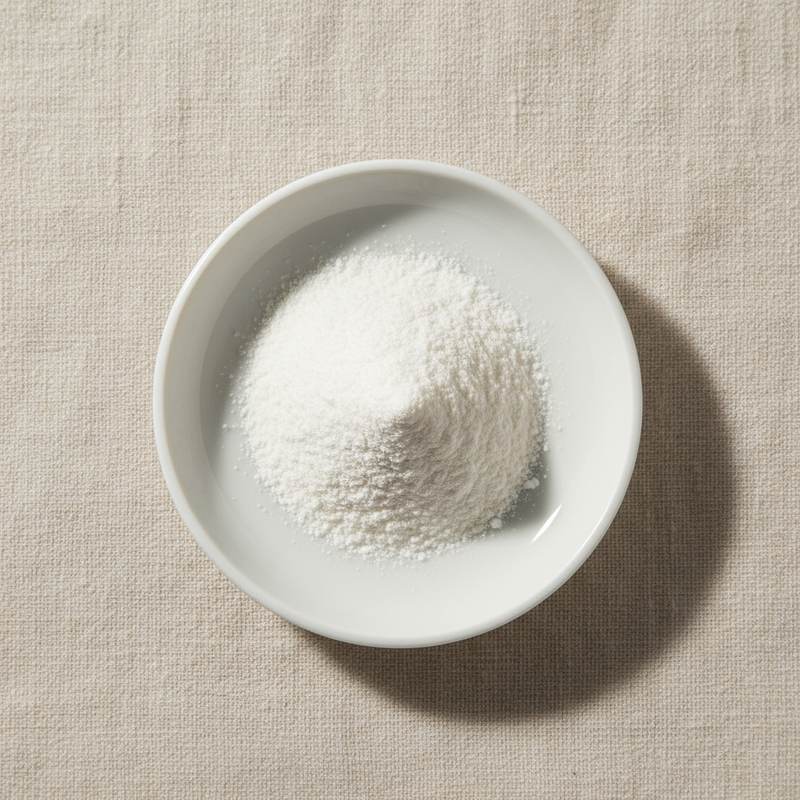
Off-white to pale beige free-flowing powder with a clean fermented note and mild sweetness from the prebiotic fraction. Particle size suitable for capsule, sachet, stick-pack, powdered beverage, and direct-stir applications.
We supply food-grade Synbiotic Blends from manufacturers in China holding ISO 22000, FSSC 22000, Halal, Kosher, and other certifications relevant to probiotic and prebiotic production.
Common market grades include standard adult digestive blends (Lactobacillus and Bifidobacterium mix with FOS or inulin), pediatric blends (B. infantis and B. breve with GOS), women's health blends (L. crispatus, L. rhamnosus, L. acidophilus with inulin), immune support blends (multi-strain with beta-glucan and inulin), and metabolic-positioned blends (L. gasseri, B. animalis with resistant starch). Bulk and reduced-MOQ shipments with batch-level COA covering total viable count by strain, prebiotic assay, moisture, heavy metals, and pathogen panel.
Introduction
The synbiotic concept was formalized by Marcel Roberfroid in the 1990s and refers to a product combining probiotic microorganisms with prebiotic substrates that selectively stimulate their growth or activity, ideally producing a synergistic benefit beyond the sum of the parts. The International Scientific Association for Probiotics and Prebiotics (ISAPP) updated the consensus definition in 2020 to distinguish complementary synbiotics (independently selected probiotic and prebiotic) from synergistic synbiotics (matched substrate-strain pairs).
Industrial production blends freeze-dried probiotic strains with prebiotic fibers under controlled humidity (less than 30 percent RH) to prevent moisture-driven loss of viability. Prebiotic carriers (inulin, FOS, GOS, or resistant starch) double as cryoprotectants during strain manufacture and as bulking agents in the final blend. Total viable count is standardized after blending and confirmed at release.
Regulatory status follows the strain-level and ingredient-level frameworks of the component probiotics and prebiotics. All component strains and fibers used by our suppliers hold GRAS notifications with FDA, Qualified Presumption of Safety listings in the European Union, or equivalent regulatory recognition.
Clinical evidence supports synbiotic formulations for irritable bowel syndrome symptom relief, prevention of antibiotic-associated diarrhea, improvement of bowel regularity, and modulation of immune and inflammatory markers, often with greater effect sizes than either component alone.
Where it is used
- Capsules, tablets, and sachets for general digestive health
- Stick-pack synbiotic powdered beverages
- Functional dairy and plant-based beverages
- Pediatric synbiotic drops, sachets, and powders
- Women's health and urogenital microbiome formulations
- Senior nutrition for gut barrier and immune function
- Metabolic and weight management formulations
- Sports nutrition and recovery stacks
- Immune support and seasonal wellness products
Technical data
| Item | Specification |
|---|---|
| Appearance | Off-white to pale beige free-flowing powder |
| Total viable cell count | ≥ 100 billion CFU/g (50B, 100B, 300B grades) |
| Prebiotic content | Customer-specified; typically 20 to 80% w/w FOS, inulin, GOS, or resistant starch |
| Strain identity | Each component confirmed by 16S rRNA sequencing |
| Moisture (loss on drying) | ≤ 5.0% |
| Particle size | ≥ 95% through 80 mesh |
| Heavy metals (as Pb) | ≤ 1 mg/kg |
| Arsenic | ≤ 0.5 mg/kg |
| Salmonella | Absent in 25 g |
| E. coli | Absent in 10 g |
| Staphylococcus aureus | Absent in 10 g |
| Yeast and mold | ≤ 50 CFU/g |
| Shelf life | 24 months from manufacture under recommended storage |
| Storage | −18 °C sealed; 2 to 8 °C after opening |
Related ingredients
Ready to discuss business?
Send us your spec and requirement. We will respond with availability and pricing within 24 hours.