Description
A natural high-intensity sweetener extracted from the leaves of Rubus suavissimus, the Chinese sweet-tea plant native to Guangxi Province. The active compound Rubusoside is approximately 100 to 200 times sweeter than sucrose with a clean profile and minimal aftertaste.
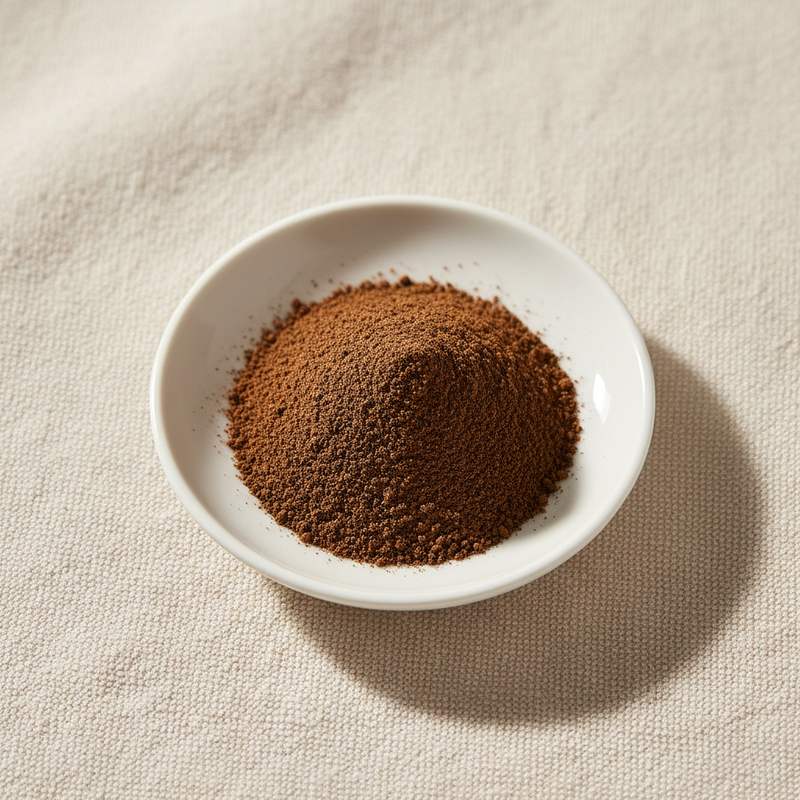
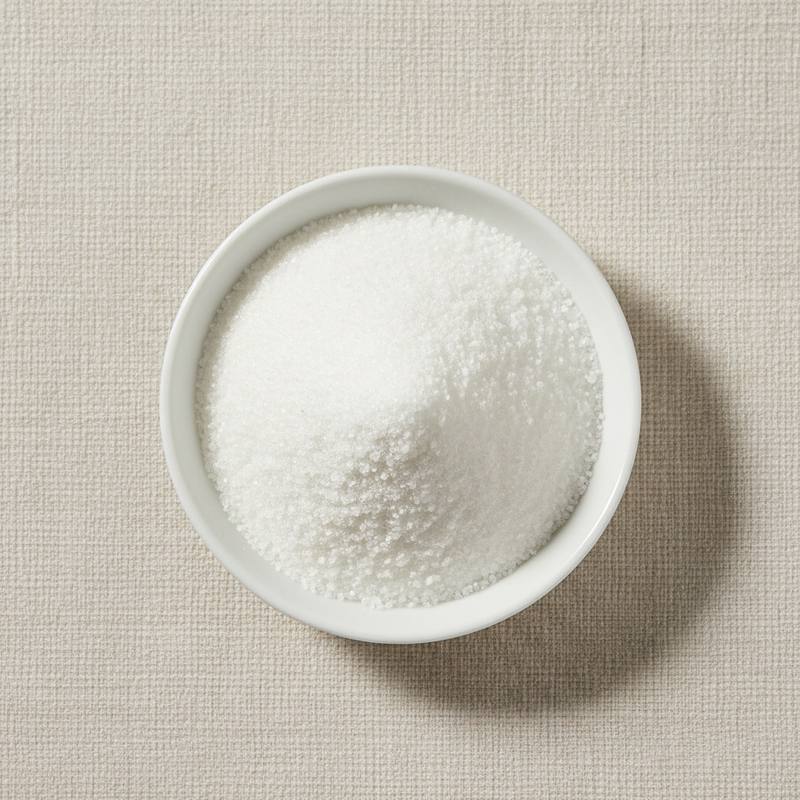
Light yellow to white powder. Less widely known than Stevia or Monk Fruit but increasingly used as a complementary sweetener in the natural-positioning segment, particularly where Stevia's licorice notes are undesirable.
We supply food-grade Sweet Tea Extract from manufacturers in China holding ISO, Halal, Kosher and other certifications relevant to the product and production.
Common market grades are differentiated by Rubusoside content: 70%, 80%, 85%, and 95% Rubusoside specifications, with the 80 to 85 percent range serving most beverage and food applications and the 95 percent grade reserved for premium clean-taste tabletop and pharmaceutical use.
Bulk and reduced-MOQ shipments. Batch-level COA covering Rubusoside content, residual solvents, heavy metals, and microbiology.
Introduction
Rubus suavissimus, the Chinese sweet-tea plant, is a perennial bush in the Rosaceae family. The leaves have been used for centuries in southern China as a traditional sweet herbal beverage and for medicinal applications.
The principal sweet compound is Rubusoside, a diterpene glycoside structurally related to the steviol glycosides of Stevia rebaudiana but distinct enough to deliver a different taste profile. Industrial extraction by hot-water and ethanol solvents, followed by chromatographic purification, produces standardized extracts at 70 to 95 percent Rubusoside content.
Recognized as a traditional food ingredient in China and approved as a sweetener for use in beverages and confectionery. Approval status outside Asia is more limited; U.S. and EU regulators currently classify Sweet Tea Extract on a case-by-case basis, restricting some finished-product applications.
The compound delivers a taste profile that is cleaner than Stevia in the licorice dimension but slightly less intense in absolute sweetness. This makes it valuable as a complement to Stevia in formulations where the goal is to retain natural-source positioning while masking the bitter and licorice notes that high concentrations of Stevia produce.
Strategic positioning targets two niches: standalone use in traditional and herbal-positioned products in Asian markets, and complementary use in Western natural-sweetener systems where it serves as a taste modulator rather than the primary sweetener.
Where it is used
- Sugar-free natural beverages including herbal teas, RTD teas, and functional drinks
- Sugar-free natural confectionery and chocolate
- Tabletop natural sweetener blends, often combined with Stevia or Monk Fruit to balance taste profiles
- Sugar-free baked goods positioned for clean-label and natural retail
- Sugar-free dairy and frozen desserts in the natural-positioning segment
- Pharmaceutical syrups, chewable tablets, and lozenges where natural sweetening is required
- Functional and nutraceutical formulations including digestive teas and wellness shots
- Specialty taste-modulation systems where Sweet Tea complements Stevia to mask the licorice note
Technical data
| Item | Specification |
|---|---|
| Appearance | Light yellow to white powder |
| Rubusoside content | ≥ 70% / ≥ 80% / ≥ 85% / ≥ 95% |
| Loss on drying | ≤ 5.0% |
| Residue on ignition | ≤ 1.0% |
| Heavy metals (as Pb) | ≤ 2 mg/kg |
| Total plate count | ≤ 1000 cfu/g |
| Particle size | Per customer specification |
Related ingredients
Ready to discuss business?
Send us your spec and requirement. We will respond with availability and pricing within 24 hours.