Description
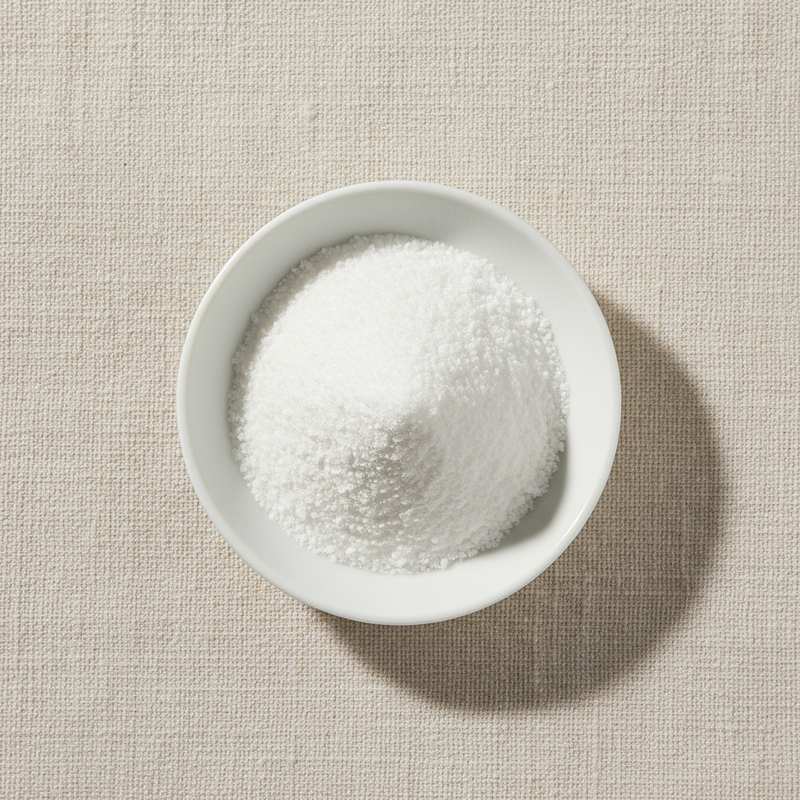
A diprotic organic acid with a distinctive umami-tinged sour taste that distinguishes it from citric and malic acids. Used in specialty food applications where its taste profile complements savory and fermented flavors.
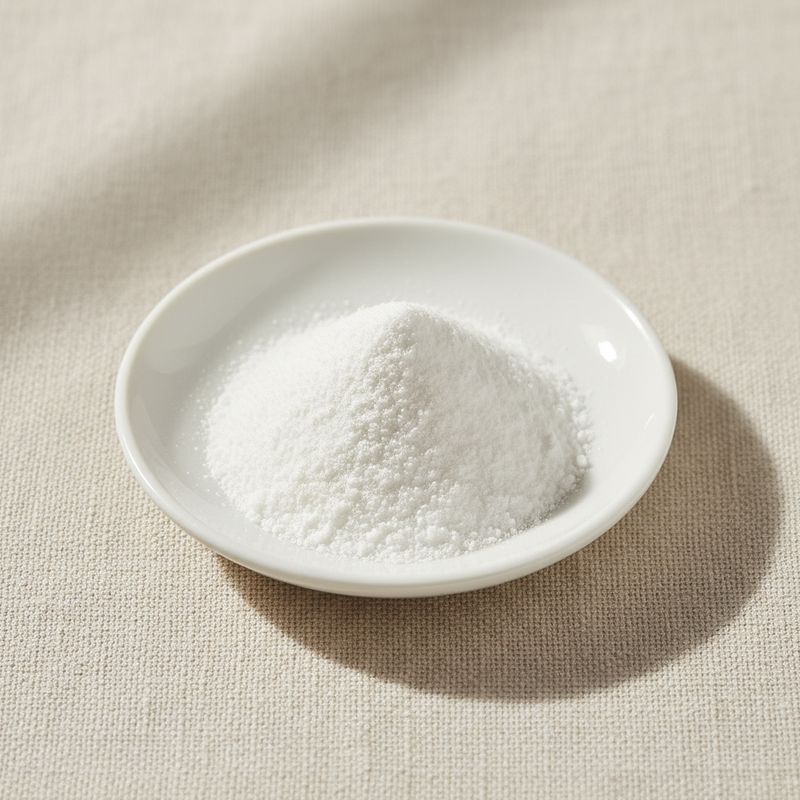
Colorless, odorless crystalline solid. Melting point of 185 °C and boiling point of 235 °C. Moderate water solubility, soluble in alcohol.
We supply food-grade and pharmaceutical-grade Succinic Acid from manufacturers in China holding ISO, Halal, Kosher and other certifications relevant to the product and production.
Common market grades include Standard Food Grade (FCC compliant), Pharmaceutical Grade meeting BP/USP specifications, Bio-based Succinic Acid produced by fermentation (the dominant grade for natural-positioning applications), and Industrial Grade for chemical synthesis use.
Bulk and reduced-MOQ shipments. Batch-level COA covering assay, residue on ignition, heavy metals, and microbiology.
Introduction
Succinic Acid was first isolated from amber by Georgius Agricola in 1546 (the Latin name for amber, succinum, gives the acid its name). It is a central intermediate in the citric acid cycle of cellular metabolism.
Modern industrial production splits between two routes: petrochemical synthesis from maleic anhydride through hydrogenation, and bio-based fermentation of glucose using engineered microorganisms (commonly Actinobacillus succinogenes or Mannheimia succiniciproducens). Bio-based production has expanded rapidly since 2010 driven by industrial bioplastic demand.
Regulated as E363 in the EU, classified as Generally Recognized as Safe by the U.S. FDA, listed in BP and USP pharmacopoeias, and approved by JECFA without a numerical Acceptable Daily Intake limit.
The molecule has pKa values of 4.21 and 5.64, providing pH buffering across a useful range for food and pharmaceutical applications. Sourness intensity is moderate, less than citric or malic acid at equivalent doses, but with a distinctive umami undertone that supports use in savory and fermented food applications.
Strategic positioning in food applications targets the savory and fermented-food categories specifically: sake and soy sauce manufacturing, instant noodle seasonings, and gourmet umami-positioned products. Bio-based grades support natural-positioning and clean-label finished-product claims.
Where it is used
- Sake, soy sauce, and fermented condiment manufacturing; contributes umami-sour notes characteristic of Japanese fermentation
- Specialty seasoning blends and savory snack seasonings
- Beverage applications including cocktail mixers and specialty fermented drinks
- Pharmaceutical buffer in oral and injectable formulations
- Pet food palatants where succinic flavor enhances meat-protein perception
- Bio-based plastic and polymer manufacturing
- Cosmetic products including skincare formulations
- Industrial applications: chemical-synthesis intermediate for resins, dyes, and polyesters
- Specialty food applications including instant noodle seasoning and gourmet salt blends
Technical data
| Item | Specification |
|---|---|
| Appearance | Colorless to white crystalline powder or granules |
| Assay (dry basis) | ≥ 99.0% |
| Melting point | 185 °C to 187 °C |
| Loss on drying | ≤ 0.5% |
| Residue on ignition | ≤ 0.025% |
| Heavy metals (as Pb) | ≤ 10 mg/kg |
| Arsenic | ≤ 3 mg/kg |
| Particle size | Per customer specification |
Related ingredients
Ready to discuss business?
Send us your spec and requirement. We will respond with availability and pricing within 24 hours.