Description
Streptococcus thermophilus is a gram-positive thermophilic lactic acid bacterium and one of the two essential starter cultures for yogurt production worldwide, working symbiotically with Lactobacillus delbrueckii subsp. bulgaricus to acidify milk and develop texture and flavor.
Supplied as a freeze-dried powder with viability between 200 billion and 1 trillion CFU per gram at release. Strain selection drives texture (ropy or non-ropy), acidification rate, and post-acidification behavior in the finished yogurt.
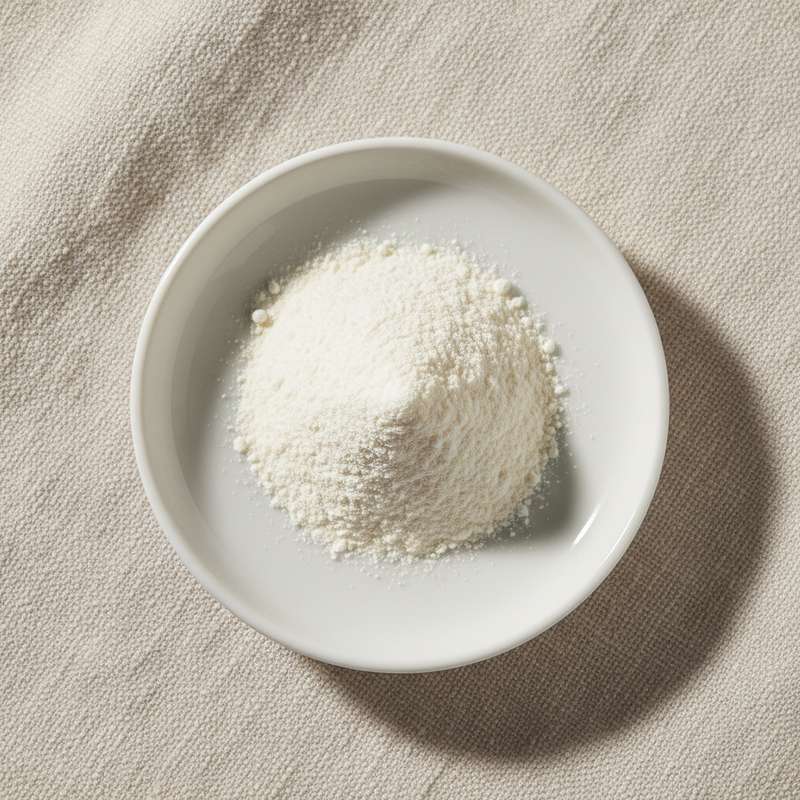
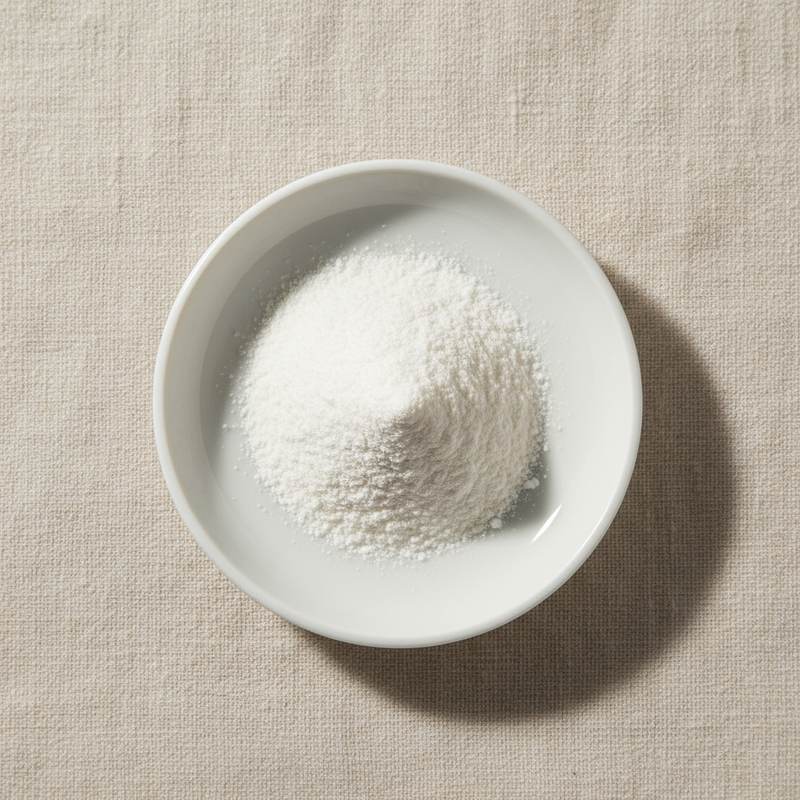
Off-white to pale cream free-flowing powder with a clean dairy fermented note. Particle size suitable for direct-vat-set inoculation and frozen pellet formats are also available.
We supply food-grade Streptococcus thermophilus from manufacturers in China holding ISO 22000, FSSC 22000, Halal, Kosher, and other certifications relevant to dairy starter production.
Common market grades include freeze-dried direct-vat-set (DVS) cultures at 200 to 1000 billion CFU per gram, frozen pellet concentrates at similar potencies, and selected ropy and non-ropy strains for set-style and stirred-style yogurt manufacture. Phage-rotation strain sets are available to support continuous large-scale yogurt production. Bulk and reduced-MOQ shipments with batch-level COA covering viable count, strain identity, moisture, heavy metals, and pathogen panel.
Introduction
Streptococcus thermophilus has been used in dairy fermentation for thousands of years and was formally characterized in 1919. The species name reflects its optimum growth temperature of approximately 40 to 45 °C, consistent with traditional yogurt incubation. Reference strain ATCC 19258 is widely used in research and product development.
Industrial production uses optimized milk-based or whey-derived media under controlled aerobic-to-microaerobic conditions, followed by centrifugal recovery, cryoprotectant blending with sucrose or skim milk, and lyophilization or pelletized freezing in liquid nitrogen. Frozen direct-vat-set pellets retain higher activity per CFU than freeze-dried powders and are preferred by large industrial yogurt makers.
Regulatory status is well-established. The species holds GRAS status with FDA, Qualified Presumption of Safety listing in the European Union, and is named explicitly in Codex Alimentarius and most national standards as one of the two organisms required for the legal designation of yogurt.
Beyond traditional yogurt, strains have been clinically studied for lactose digestion in lactose-intolerant subjects, with the FDA permitting a structure-function claim covering this benefit. Strains also contribute exopolysaccharide texture, acetaldehyde flavor, and folate biosynthesis to the finished product.
S. thermophilus is the highest-tonnage lactic acid starter culture in the global dairy industry and a foundational ingredient in both traditional yogurt and modern functional fermented beverages.
Where it is used
- Yogurt starter cultures (set-style, stirred, drinking, and Greek yogurt)
- Mozzarella and pizza cheese starter cultures
- Italian-style hard cheese starters (Parmesan, Grana)
- Probiotic dairy drinks and fermented milks
- Functional fermented dairy blends
- Plant-based fermented yogurt alternatives
- Kefir-style and lactic-acid beverage starters
- Cheese ripening adjunct cultures
- Capsule and supplement formulations
Technical data
| Item | Specification |
|---|---|
| Appearance | Off-white to pale cream free-flowing powder or frozen pellets |
| Viable cell count | ≥ 500 billion CFU/g (200B, 500B, 1T grades) |
| Strain identity | Confirmed by 16S rRNA sequencing |
| Moisture (loss on drying, powder) | ≤ 5.0% |
| Particle size | ≥ 95% through 80 mesh (powder) |
| Heavy metals (as Pb) | ≤ 1 mg/kg |
| Arsenic | ≤ 0.5 mg/kg |
| Salmonella | Absent in 25 g |
| E. coli | Absent in 10 g |
| Staphylococcus aureus | Absent in 10 g |
| Yeast and mold | ≤ 50 CFU/g |
| Shelf life | 12 to 24 months from manufacture under recommended storage |
| Storage | −18 °C sealed (frozen pellets at −45 °C) |
Related ingredients
Ready to discuss business?
Send us your spec and requirement. We will respond with availability and pricing within 24 hours.