Description
Lactobacillus casei (Lacticaseibacillus casei under the 2020 taxonomic revision) is a facultatively heterofermentative species widely used in the production of fermented milk beverages including the global Yakult line and other gut-health drinks across Asia, Europe, and Latin America.
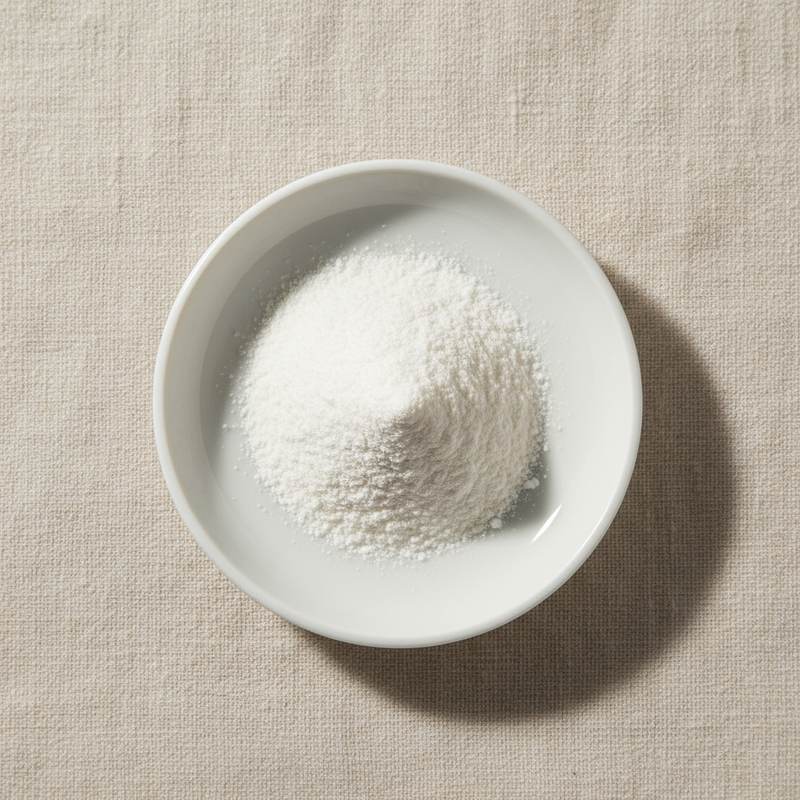
Supplied as a freeze-dried powder with viability between 100 and 500 billion CFU per gram at release. Exhibits strong adhesion to intestinal epithelial cells and survives gastric transit at clinically relevant rates.
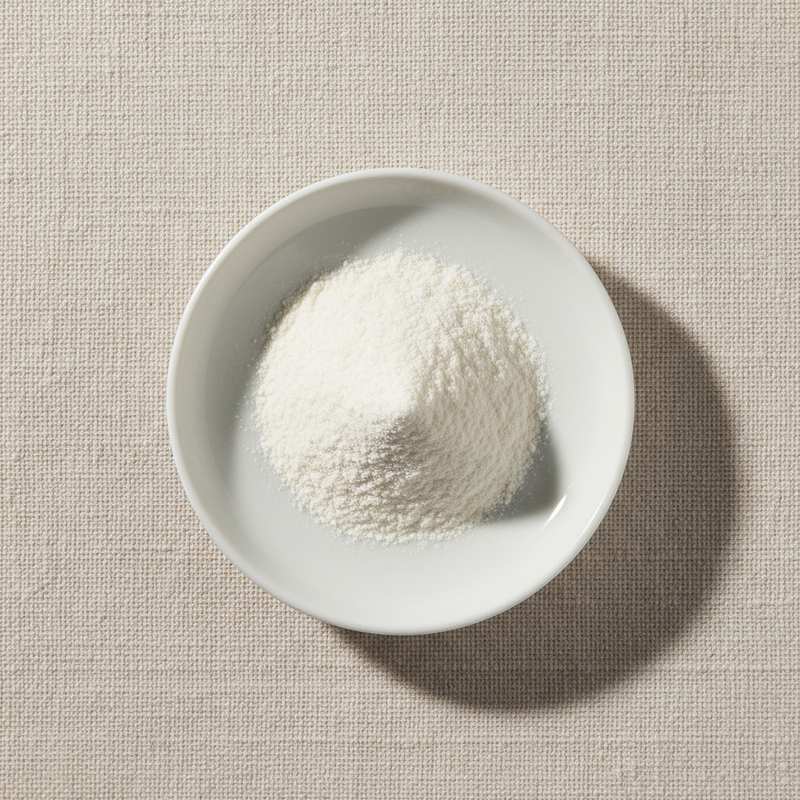
Off-white to light cream free-flowing powder with a clean fermented dairy note. Particle size suitable for capsule, sachet, and direct-acidified beverage applications.
We supply food-grade Lactobacillus casei from manufacturers in China holding ISO 22000, FSSC 22000, Halal, Kosher, and other certifications relevant to probiotic strain production.
Common market grades include 100, 200, and 500 billion CFU per gram freeze-dried powders, frozen direct-vat-set culture concentrates for industrial fermentation, and microencapsulated versions for finished beverage formats. Bulk and reduced-MOQ shipments with batch-level COA covering viable count, strain identity, moisture, heavy metals, and pathogen panel.
Introduction
Lactobacillus casei was originally isolated from cheese and human gut samples in the early twentieth century, and the Shirota-type strain that founded the Yakult product line was isolated by Minoru Shirota in 1930 at Kyoto Imperial University. The reference strain ATCC 393 remains widely used for research and commercial development.
Industrial production uses MRS-based proprietary media under controlled anaerobic conditions, followed by centrifugal harvest, cryoprotectant addition, and lyophilization. Strain identity is verified by 16S rRNA sequencing and species-specific PCR. Frozen direct-vat-set concentrates are produced for industrial dairy fermentation lines where on-site rehydration is preferred.
Regulatory status includes GRAS notifications with FDA, Qualified Presumption of Safety listing in the European Union, and acceptance under the Codex Alimentarius standard for fermented milks.
Clinical evidence supports use of L. casei strains for prevention of antibiotic-associated diarrhea, reduction of upper respiratory infections, and improvement of bowel transit in adults with constipation.
L. casei holds a defining position in the global fermented beverage market through the Yakult line and has expanded into capsule and sachet formats as part of multi-strain probiotic stacks in premium gut-health products.
Where it is used
- Fermented milk beverages and probiotic dairy shots
- Cheese ripening cultures and adjunct cultures in semi-hard cheese
- Probiotic capsules and tablets for adult digestive health
- Pediatric probiotic supplements
- Functional yogurt drinks and kefir-style beverages
- Sports nutrition and immune support products
- Senior nutrition for gut barrier and immune function
- Animal feed probiotic premixes
- Synbiotic formulations combined with prebiotic fibers
Technical data
| Item | Specification |
|---|---|
| Appearance | Off-white to light cream free-flowing powder |
| Viable cell count | ≥ 200 billion CFU/g (100B, 200B, 500B grades) |
| Strain identity | Confirmed by 16S rRNA sequencing |
| Moisture (loss on drying) | ≤ 5.0% |
| Particle size | ≥ 95% through 80 mesh |
| Heavy metals (as Pb) | ≤ 1 mg/kg |
| Arsenic | ≤ 0.5 mg/kg |
| Salmonella | Absent in 25 g |
| E. coli | Absent in 10 g |
| Staphylococcus aureus | Absent in 10 g |
| Yeast and mold | ≤ 50 CFU/g |
| Shelf life | 24 months from manufacture under recommended storage |
| Storage | −18 °C sealed; 2 to 8 °C after opening |
Related ingredients
Ready to discuss business?
Send us your spec and requirement. We will respond with availability and pricing within 24 hours.