Description
Lactobacillus plantarum (reclassified as Lactiplantibacillus plantarum under the 2020 Lactobacillus genus revision) is one of the most metabolically versatile probiotic species, native to plant-fermented foods including sauerkraut, kimchi, olives, and silage as well as the human gastrointestinal tract.
Supplied as a freeze-dried powder with viability between 100 and 500 billion CFU per gram at release. The species shows superior tolerance to gastrointestinal stress relative to most Lactobacillus strains and a particularly long shelf life in dry formats.
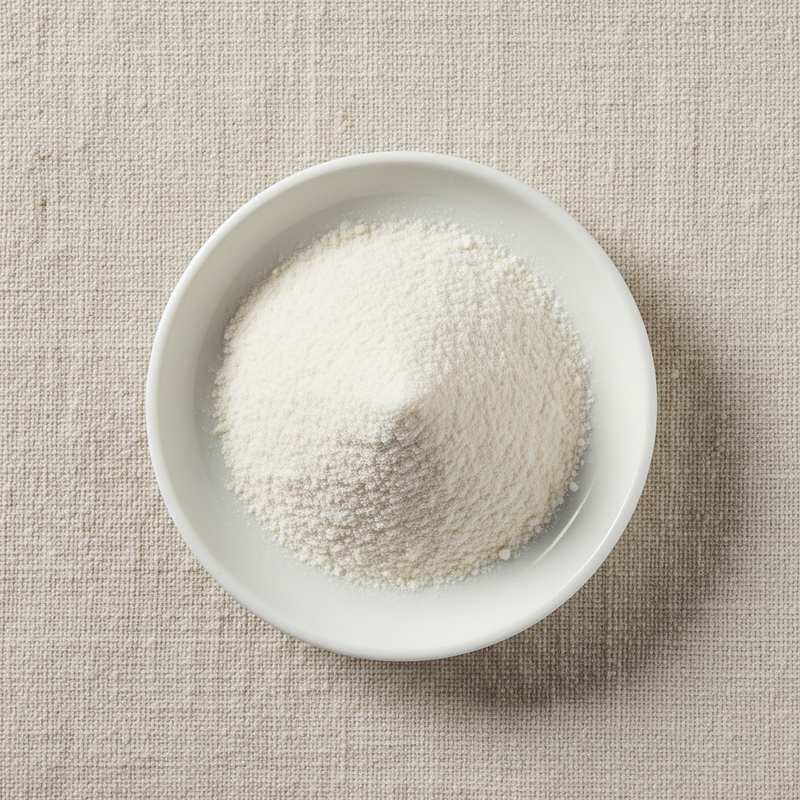
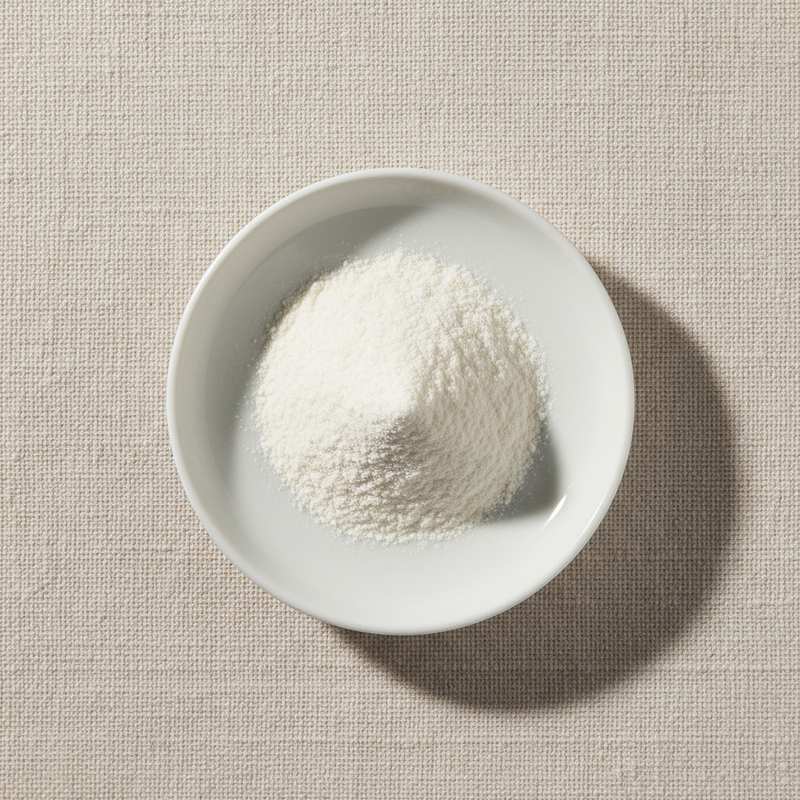
Off-white to pale yellow free-flowing powder with a mild fermented note. Particle size suitable for capsule, sachet, tablet, and powdered-beverage applications.
We supply food-grade and feed-grade Lactobacillus plantarum from manufacturers in China holding ISO 22000, FSSC 22000, Halal, Kosher, and other certifications relevant to probiotic strain production.
Common market grades include 100, 200, and 500 billion CFU per gram freeze-dried powders, spray-dried heat-tolerant grades for premix and feed applications, and microencapsulated formats for beverage and pharmaceutical use. Plant-fermented and dairy-fermented derivation options are available. Bulk and reduced-MOQ shipments with batch-level COA covering viable count, strain identity, moisture, heavy metals, and full pathogen panel.
Introduction
L. plantarum 299v was isolated from healthy human intestinal mucosa by researchers at the University of Lund in Sweden during the 1980s and is deposited at the Deutsche Sammlung von Mikroorganismen under accession DSM 9843. The strain is patented and licensed under the ProViva and ProbiMage brands.
Industrial production uses MRS-based proprietary media under controlled anaerobic conditions. The species ferments a uniquely broad substrate spectrum including pentose sugars, supporting growth on plant-derived feedstocks and enabling a non-dairy production chain valuable for vegan and Halal supply lines. Cryoprotected biomass is freeze-dried to residual moisture below 5 percent and standardized by viable plate count.
Regulatory status includes Qualified Presumption of Safety listing in the European Union and inclusion among species notified to FDA under the GRAS framework when prepared by recognized methods. The species is permitted as a feed additive under EU Regulation 1831/2003 for several specific strains.
Randomized clinical trials support 299v for reduction of IBS symptoms, improvement of iron absorption from non-heme sources, and modulation of systemic inflammation markers.
The metabolic versatility of L. plantarum makes it the species of choice for plant-fermented functional beverages, kombucha co-cultures, and clean-label fermented food platforms.
Where it is used
- Probiotic capsules and tablets for IBS and digestive comfort
- Functional plant-based fermented beverages and dairy alternatives
- Sauerkraut, kimchi, and vegetable fermentation starter cultures
- Silage inoculants and animal feed probiotic premixes
- Fermented sausage and meat starter blends
- Sports nutrition recovery and immune support stacks
- Plant-based infant nutrition and pediatric supplements
- Liquid postbiotic and synbiotic beverage applications
- Cardiometabolic and cholesterol-management formulations
Technical data
| Item | Specification |
|---|---|
| Appearance | Off-white to pale yellow free-flowing powder |
| Viable cell count | ≥ 200 billion CFU/g (100B, 200B, 500B grades) |
| Strain identity | Confirmed by 16S rRNA sequencing |
| Moisture (loss on drying) | ≤ 5.0% |
| Particle size | ≥ 95% through 80 mesh |
| Heavy metals (as Pb) | ≤ 1 mg/kg |
| Arsenic | ≤ 0.5 mg/kg |
| Salmonella | Absent in 25 g |
| E. coli | Absent in 10 g |
| Staphylococcus aureus | Absent in 10 g |
| Yeast and mold | ≤ 50 CFU/g |
| Shelf life | 24 months from manufacture under recommended storage |
| Storage | −18 °C sealed; 2 to 8 °C after opening |
Related ingredients
Ready to discuss business?
Send us your spec and requirement. We will respond with availability and pricing within 24 hours.