Description
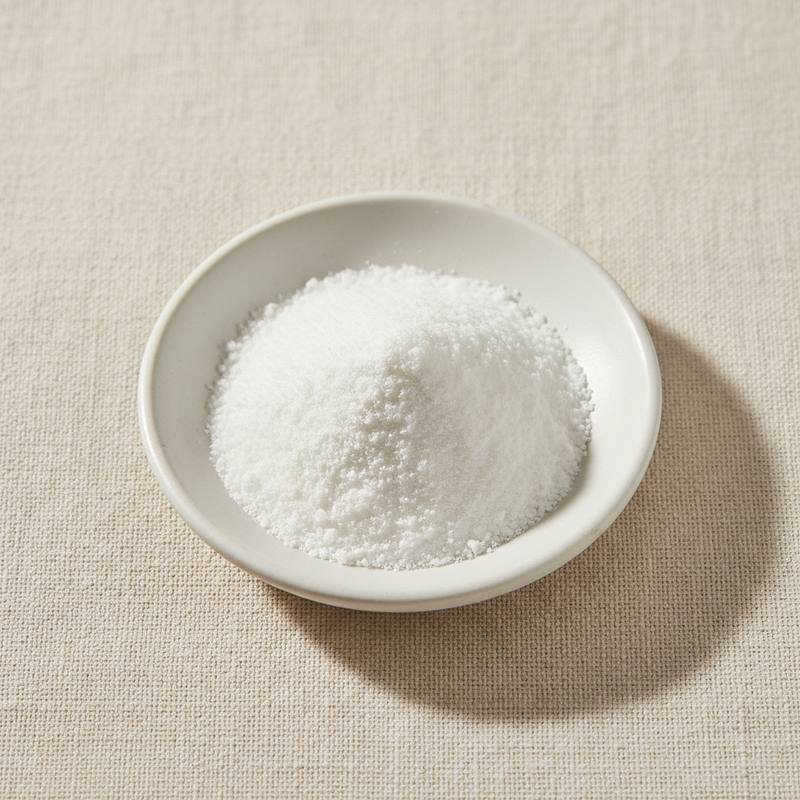
Glyceryl tristearate, the saturated triglyceride of stearic acid and glycerol. The high-melting hard fat fraction recovered from palm oil, beef tallow, or fully hydrogenated vegetable oils through fractionation or crystallization.
White to off-white waxy solid, flake, or pastille. Melting point approximately 70 to 73 °C. Brittle at room temperature, breaks cleanly into the powdered form used in pharmaceutical and cosmetic manufacture.
We supply Food-Grade and Pharmaceutical-Grade Stearin from manufacturers in China holding ISO, Halal, Kosher and other certifications relevant to the product and production. Palm-derived and beef-tallow-derived grades are available depending on regional regulatory and labeling requirements.
Common market grades include Palm Stearin (vegetable origin), Tallow Stearin (animal origin), Pharmaceutical Grade (USP/NF Tristearin), and Cosmetic Grade for stick formulations.
Bulk and reduced-MOQ shipments. Batch-level COA covering acid value, saponification value, iodine value, melting point, and microbiology.
Introduction
Stearin is the saturated solid-fat fraction of natural fats and oils, separated by controlled crystallization (fractionation). The term applies to both the chemically pure triester glyceryl tristearate and to commercial fractions enriched in tristearin and similar trisaturated triglycerides.
Production starts with palm oil, beef tallow, or fully hydrogenated vegetable oil. The starting material is melted, slowly cooled under controlled conditions to crystallize the high-melting fraction, and separated by filtration or centrifugation. Pharmaceutical-grade material is recrystallized from solvent to achieve pharmacopoeial purity.
Recognized as a food fat and pharmaceutical excipient in all major jurisdictions. Listed in USP, NF, and EP pharmacopoeias. Palm-derived stearin is the dominant commercial source globally, with tallow-derived stearin retaining importance in regions where animal-fat sourcing is preferred.
In pharmaceutical solid dosage forms stearin is used as a matrix-forming lipid for controlled-release tablets, similar to glyceryl distearate but with a higher melting point and more rigid matrix structure. In food applications it provides the hard-fat fraction needed for confectionery and bakery formulations.
Where it is used
- Pharmaceutical controlled-release tablet matrices; lipid-based slow-release excipient
- Cosmetic stick formulations including lipsticks and deodorants
- Confectionery hard fat blends for chocolate compound coatings
- Bakery shortenings requiring high-melting hard fat fraction
- Margarine and table spread hard fat phase
- Soap manufacture; the classic hard-fat saponification feedstock
- Candle and wax-blend manufacture
- Lubricants and release agents for industrial applications
Technical data
| Item | Specification |
|---|---|
| Appearance | White to off-white waxy solid, flake, or pastille |
| Acid value (mg KOH/g) | ≤ 4.0 |
| Saponification value (mg KOH/g) | 185 to 200 |
| Iodine value | ≤ 3.0 |
| Melting range | 70 °C to 73 °C |
| Free glycerol | ≤ 1.0% |
| Moisture | ≤ 0.5% |
| Heavy metals (as Pb) | ≤ 5 mg/kg |
| Peroxide value (meq/kg) | ≤ 5.0 |
Related ingredients
Ready to discuss business?
Send us your spec and requirement. We will respond with availability and pricing within 24 hours.