Description
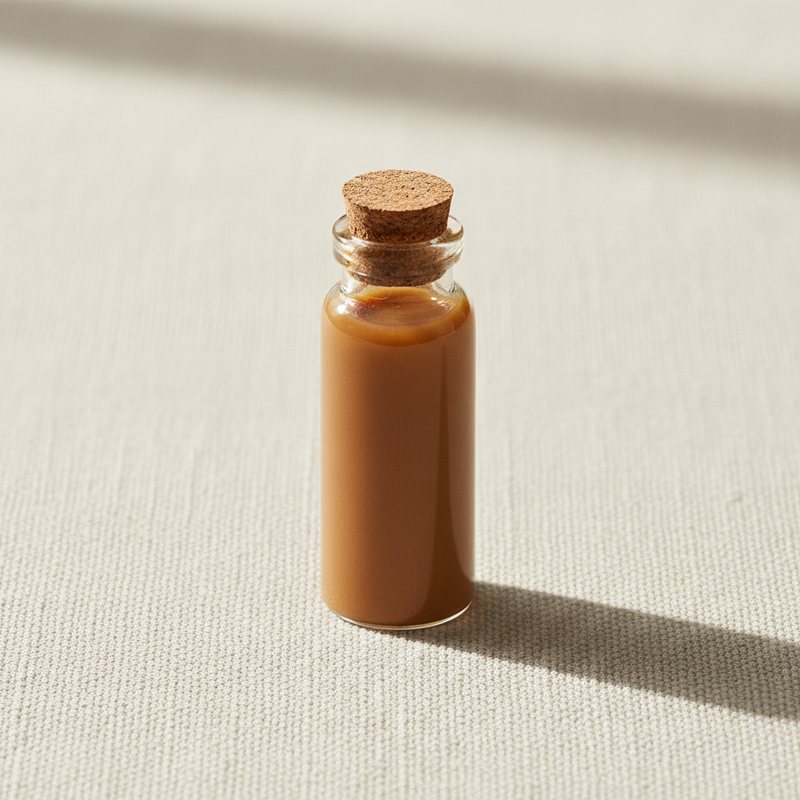
A natural phospholipid emulsifier extracted from soybean oil refining. The liquid form is the original commercial format, prized for direct addition to oil-phase systems and chocolate manufacturing.
Brown viscous liquid. A complex mixture of phosphatidylcholine, phosphatidylethanolamine, phosphatidylinositol, neutral oil, and minor lipids. Soluble in oils and dispersible in water with mixing.
We supply food-grade Soy Lecithin Liquid from manufacturers in China holding ISO, Halal, Kosher and other certifications relevant to the product and production. Non-GMO and certified-organic grades are available on request.
Common market grades include Standard Liquid Lecithin (60% min acetone-insoluble), Deoiled Liquid (used in specialty applications), Bleached and Refined Liquid for premium chocolate manufacture, and Fluidized Liquid for low-viscosity handling at processing temperature. Liquid grades are distinct from powdered and granular formats supplied for dry-blend applications.
Bulk and reduced-MOQ shipments. Batch-level COA covering acetone-insoluble matter, acid value, peroxide value, hexane residue, and microbiology.
Introduction
Lecithin was first isolated by French chemist Theodore Gobley from egg yolk in 1846, named after the Greek lekithos for egg yolk. Industrial soy lecithin became available in the 1930s as a by-product of soybean oil degumming.
Modern production recovers lecithin from the gum fraction separated during refining of crude soybean oil. The wet gums are dried, optionally bleached and deoiled, and standardized to a target acetone-insoluble content (the industry measure of phospholipid concentration).
Regulated as E322 in the EU, classified as Generally Recognized as Safe by the U.S. FDA, and approved by JECFA without a numerical Acceptable Daily Intake limit.
The chocolate industry consumes the largest share of global soy lecithin production. Adding 0.3 to 0.5 percent lecithin to chocolate during conching can replace 5 to 10 times that quantity of cocoa butter at similar viscosity, representing one of the most significant cost optimizations available to chocolate manufacturers.
Where it is used
- Chocolate viscosity reduction; the original and still-dominant application, replacing cocoa butter at significant cost savings
- Bakery dough conditioners; supports gluten development and extends shelf life
- Margarine and table spread emulsifier
- Infant formula and nutritional emulsion fat-phase stabilizer
- Instant cocoa, malt drinks, and beverage powder wettability aids
- Release agents for bakery pans and confectionery molds
- Pet food palatability and fat coating
- Cosmetics and personal-care emulsion creams
- Animal feed phospholipid supplementation in piglet and aquaculture nutrition
Technical data
| Item | Specification |
|---|---|
| Appearance | Brown viscous liquid |
| Acetone-insoluble matter | ≥ 60.0% |
| Moisture | ≤ 1.0% |
| Acid value (mg KOH/g) | ≤ 36.0 |
| Peroxide value (meq/kg) | ≤ 5.0 |
| Hexane-insoluble matter | ≤ 0.3% |
| Hexane residue | ≤ 50 mg/kg |
| Heavy metals (as Pb) | ≤ 2 mg/kg |
| Viscosity (25 °C) | Per grade specification |
Related ingredients

Ready to discuss business?
Send us your spec and requirement. We will respond with availability and pricing within 24 hours.