Description
Lipophilic nonionic emulsifiers produced by esterification of sorbitan (the cyclic dehydration product of sorbitol) with fatty acids. Span 80 (sorbitan monooleate, HLB approximately 4.3) and Span 20 (sorbitan monolaurate, HLB approximately 8.6) are the most widely used members of the family.
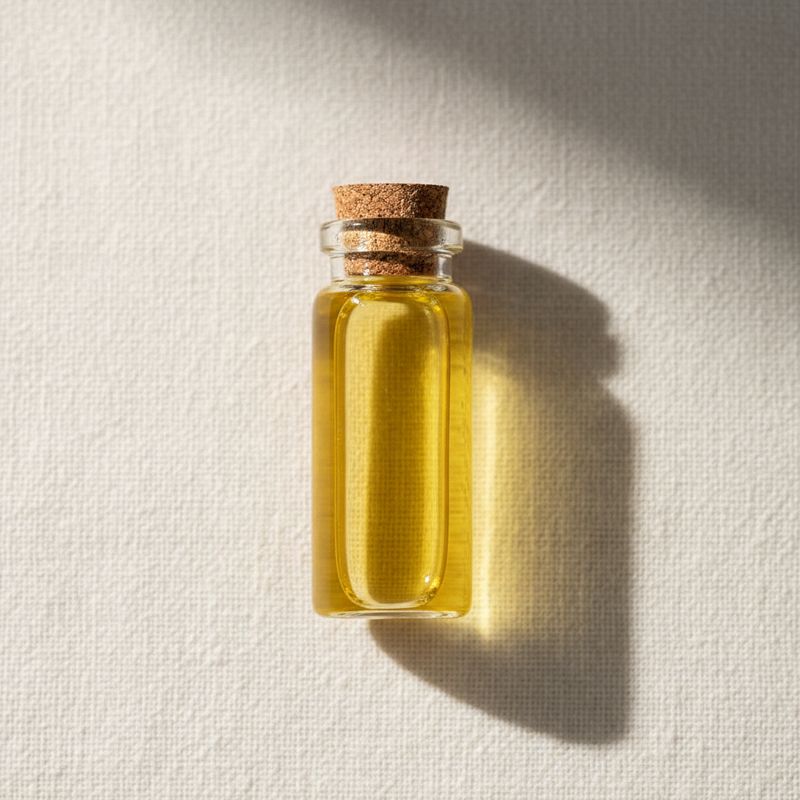
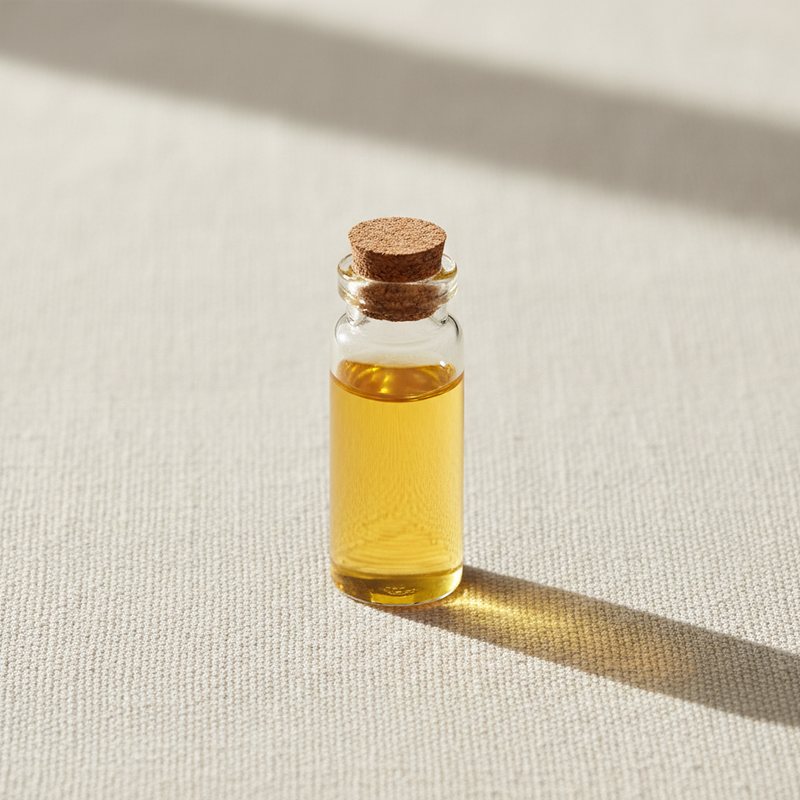
Span 80 is an amber viscous liquid; Span 20 is a yellow to amber viscous liquid. Both are oil-soluble and dispersible in water, used primarily as the lipophilic partner in emulsifier pairs alongside hydrophilic Polysorbate counterparts.
We supply food-grade and pharmaceutical-grade Sorbitan Fatty Acid Esters from manufacturers in China holding ISO, Halal, Kosher and other certifications relevant to the product and production.
Common market grades include Span 20 (sorbitan monolaurate, E493), Span 40 (sorbitan monopalmitate, E495), Span 60 (sorbitan monostearate, E491), Span 65 (sorbitan tristearate, E492), and Span 80 (sorbitan monooleate, E494). Solid and liquid forms are determined by the fatty acid backbone.
Bulk and reduced-MOQ shipments. Batch-level COA covering hydroxyl value, saponification value, acid value, water content, and microbiology.
Introduction
Sorbitan esters were developed by Atlas Powder Company in the 1940s as the lipophilic counterpart to the polysorbate family, with Polysorbates derived directly from Spans by ethoxylation.
Production begins with sorbitol dehydration to sorbitan and isosorbide under controlled temperature and acid catalysis, followed by esterification with the chosen fatty acid (lauric for Span 20, palmitic for Span 40, stearic for Spans 60 and 65, oleic for Span 80). The degree of esterification (mono-, di-, or tri-) is controlled by reactant ratio.
Regulated as E491 through E495 in the EU, classified as Generally Recognized as Safe by the U.S. FDA under defined conditions of use, listed in USP, EP, and JP pharmacopoeias, and approved by JECFA with an Acceptable Daily Intake of 25 mg per kg body weight (covering the sorbitan ester family collectively).
Strategic role in food and pharmaceutical formulation is paired-emulsifier systems: a Span on the lipophilic side and a Polysorbate on the hydrophilic side, blended to a target HLB matching the formulation. This dual-emulsifier approach yields tighter, more stable emulsions than either component alone and is the standard architecture in ice cream, whipped toppings, margarine, and pharmaceutical cream manufacture.
Where it is used
- Water-in-oil emulsions in margarine, low-fat spreads, and shortenings; the lipophilic partner in standard Span-Polysorbate emulsifier systems
- Whipped toppings and ice cream; co-emulsifier with mono-diglycerides and Polysorbate 80
- Bakery shortening systems and cake batter aeration
- Confectionery, caramels, and chocolate compound coatings
- Beverage flavor and cloud emulsions in combination with Polysorbates
- Pharmaceutical topical creams, ointments, and lipid-based oral formulations
- Cosmetic emulsions, lotions, and water-in-oil makeup formulations
- Industrial applications including textile, polymer, and metalworking emulsions
Technical data
| Item | Specification (Span 80 / Span 20) |
|---|---|
| Appearance | Amber viscous liquid (Span 80) / Yellow to amber viscous liquid (Span 20) |
| Hydroxyl value | 193 to 209 (Span 80) / 330 to 358 (Span 20) mg KOH/g |
| Saponification value | 145 to 160 (Span 80) / 158 to 170 (Span 20) mg KOH/g |
| Acid value | ≤ 8.0 (Span 80) / ≤ 7.0 (Span 20) mg KOH/g |
| Water content | ≤ 1.5% |
| HLB value | 4.3 (Span 80) / 8.6 (Span 20) |
| Heavy metals (as Pb) | ≤ 5 mg/kg |
| Arsenic | ≤ 2 mg/kg |
| Total plate count | ≤ 1,000 CFU/g |
| Form | Liquid (Spans 20, 80) / Solid (Spans 40, 60, 65) per customer specification |
Related ingredients
Ready to discuss business?
Send us your spec and requirement. We will respond with availability and pricing within 24 hours.