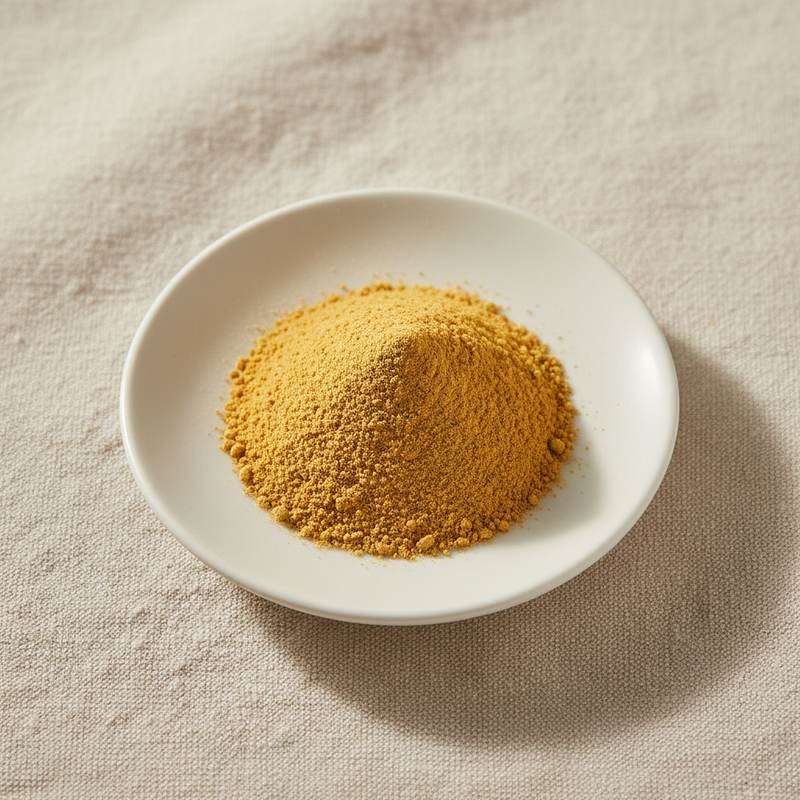
Description
The extract of Sophora japonica flower buds, the principal commercial source of rutin and quercetin globally. Standardized to rutin content for use in vascular-health supplements, cosmetic applications, and as the feedstock for high-purity quercetin production.
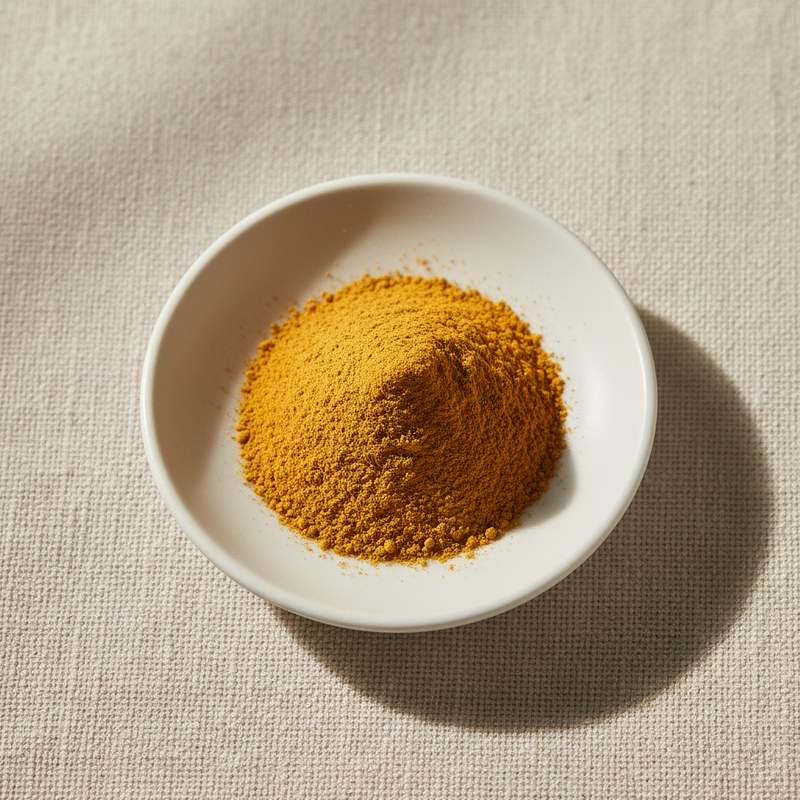
Light yellow to yellow-brown free-flowing powder. Limited water solubility; freely soluble in alcohol and hot water.
We supply food-grade Sophora Japonica Extract from manufacturers in China holding ISO, Halal, Kosher and other certifications relevant to the product and production.
Common market grades include Rutin 95 percent (the workhorse grade, the dominant rutin source globally), Rutin 98 percent (premium pharmaceutical grade), Quercetin 95 to 98 percent (the high-purity derived product), and Troxerutin (the pharmaceutical-grade hydroxyethyl derivative).
Bulk and reduced-MOQ shipments. Batch-level COA covering rutin or quercetin content (HPLC), total flavonoids, loss on drying, heavy metals, and microbiology.
Introduction
Sophora japonica (the Japanese pagoda tree or Chinese scholar tree) has been used in Traditional Chinese Medicine for over 1,500 years for vascular complaints. The plant's dried flower buds (huai mi) contain rutin at 15 to 25 percent of dry weight, the highest natural concentration of this flavonoid glycoside in any plant.
Industrial production proceeds by hot-water extraction of dried Sophora buds, followed by crystallization to yield rutin at 95 percent or higher purity. Quercetin is produced by acid hydrolysis of rutin, which cleaves the rutinose sugar to yield the aglycone quercetin.
Recognized as a permitted food ingredient by the U.S. FDA, the European Food Safety Authority, and equivalent regulators worldwide. Listed in BP, EP, and JP pharmacopoeias.
Rutin is the dominant commercial flavonoid by volume globally, with substantial use in pharmaceutical vascular-protective medications (especially in European markets), dietary supplements, and as the precursor for the rapidly growing quercetin supplement category.
Strategic positioning combines pharmaceutical vascular medication manufacturing (the established European market), dietary supplement applications, and quercetin production feedstock.
Where it is used
- Vascular-health and circulation-support dietary supplements (the dominant commercial application)
- Manufacturing feedstock for high-purity Quercetin production
- Cosmetic skincare: antioxidant and capillary-support formulations
- Pharmaceutical applications: vascular-protective and venotonic medications
- Premium fortified beverages with antioxidant claims
- Beauty-from-within supplements positioned for skin and vein health
- Veterinary applications for vascular support in companion animals
- Industrial applications: yellow natural colorant in textile and cosmetic dyeing
Technical data
| Item | Specification |
|---|---|
| Appearance | Light yellow to yellow-brown free-flowing powder |
| Rutin content (HPLC) | 95% / 98% (grade dependent) |
| Quercetin content (when applicable) | 95% / 98% |
| Loss on drying | ≤ 8.0% |
| Residue on ignition | ≤ 0.1% |
| Heavy metals (as Pb) | ≤ 2 mg/kg |
| Total plate count | ≤ 1000 cfu/g |
| Source | Sophora japonica flower buds |
Related ingredients
Ready to discuss business?
Send us your spec and requirement. We will respond with availability and pricing within 24 hours.