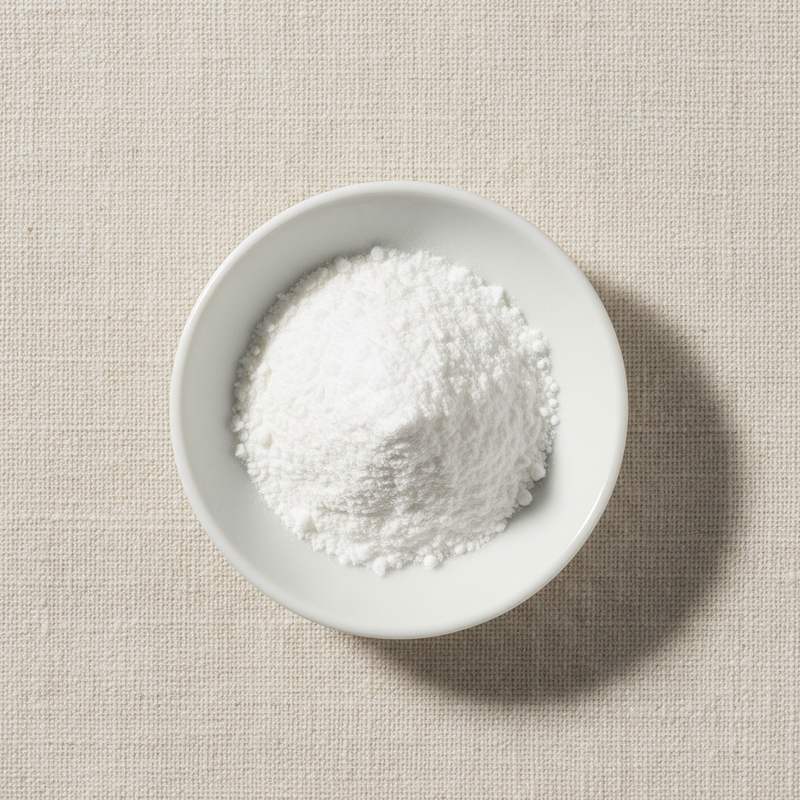
Description
The sodium salt of Methylparaben, providing the same broad-spectrum antimicrobial action as the parent ester with substantially higher water solubility. Selected for aqueous preservation systems where the parent ester would not dissolve at use levels.
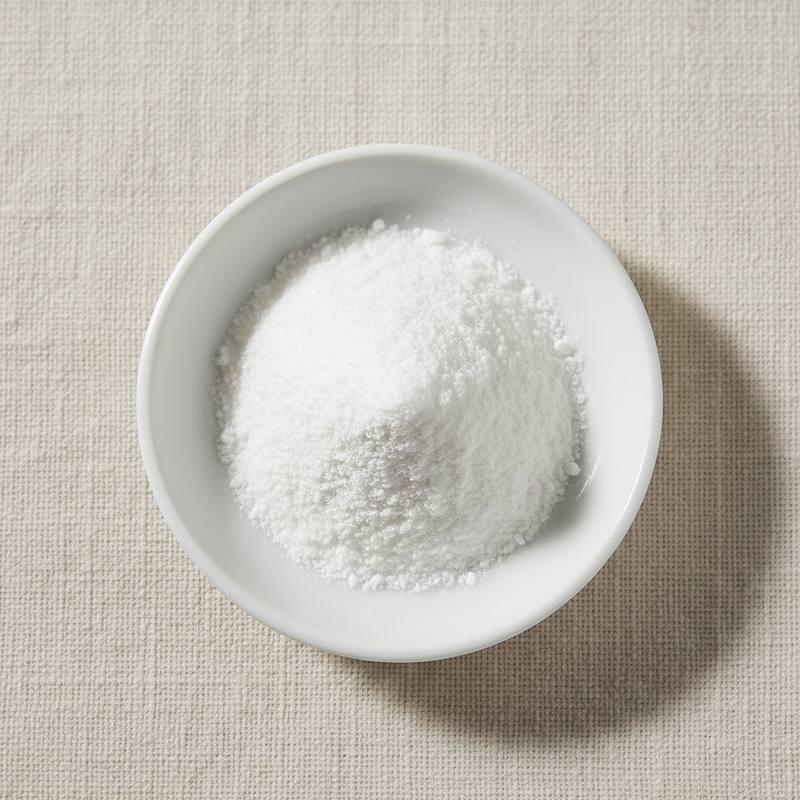
White crystalline powder, hygroscopic. Water solubility exceeds 500 g/L compared to roughly 2.5 g/L for the free Methylparaben, the principal reason this salt form is preferred in liquid pharmaceuticals, syrups, and cosmetic formulations.
We supply food-grade and pharmaceutical-grade Sodium Methylparaben from manufacturers in China holding ISO, Halal, Kosher and other certifications relevant to the product and production.
Common market grades include Standard Food Grade (FCC compliant), Pharmaceutical Grade meeting BP/USP/EP specifications, and pre-blended Sodium Methylparaben with Sodium Propylparaben for broad-spectrum activity at lower combined use levels.
Bulk and reduced-MOQ shipments. Batch-level COA covering assay, related parabens, heavy metals, and microbiology.
Introduction
Sodium Methylparaben is functionally equivalent to Methylparaben as a preservative, with the difference being the sodium counter-ion replacing the proton on the phenolic hydroxyl group. Industrial production proceeds by neutralization of Methylparaben with sodium hydroxide, followed by crystallization or spray-drying.
Regulated as E219 in the EU (with restrictions on use levels and food categories), classified as Generally Recognized as Safe by the U.S. FDA for the limited list of foods where parabens remain approved, and listed in BP, USP, and EP pharmacopoeias.
The molecule's antimicrobial mechanism is identical to Methylparaben: the phenolic ester disrupts microbial membrane permeability and inhibits key enzymes including ATPase and the electron transport chain. The salt form dissociates in aqueous solution, generating the active phenolate ion which converts back to the active ester at the microbial cell surface.
Activity profile is broad-spectrum: effective against yeasts, molds, Gram-positive bacteria, and most Gram-negative bacteria. Methylparaben (and its sodium salt) is the weakest paraben on a molar basis but the most water-soluble, which is why methyl and propyl parabens are almost always co-formulated for combined broad-spectrum coverage.
Regulatory positioning is sensitive: parabens are approved in food and pharmaceutical applications in the EU, US, Japan, China, and most other markets, but consumer-perception headwinds in cosmetics have driven reformulation toward alternatives in some segments. Pharmaceutical and food use remains stable.
Where it is used
- Pharmaceutical syrups, suspensions, and oral solutions; the dominant aqueous preservative in this category
- Cosmetic and personal-care products: shampoos, lotions, creams, and toothpaste
- Food applications: surface treatment of cured fish, jams, syrups, and beverage flavorings
- Pre-blended paraben preservative systems combining methyl and propyl sodium salts
- Ophthalmic and otic pharmaceutical preparations
- Veterinary pharmaceutical and feed-additive applications
- Industrial water-based formulations including adhesives and coatings
- Sauce, ketchup, and condiment preservation in markets where parabens remain approved
Technical data
| Item | Specification |
|---|---|
| Appearance | White crystalline powder |
| Assay (dry basis) | 99.0% to 102.0% |
| Loss on drying | ≤ 5.0% |
| Acidity | Passes test |
| Related parabens | ≤ 1.0% |
| Heavy metals (as Pb) | ≤ 10 mg/kg |
| Arsenic | ≤ 3 mg/kg |
| Sulfated ash | 33.0% to 37.0% |
| Particle size | Per customer specification |
Related ingredients
Ready to discuss business?
Send us your spec and requirement. We will respond with availability and pricing within 24 hours.