Description
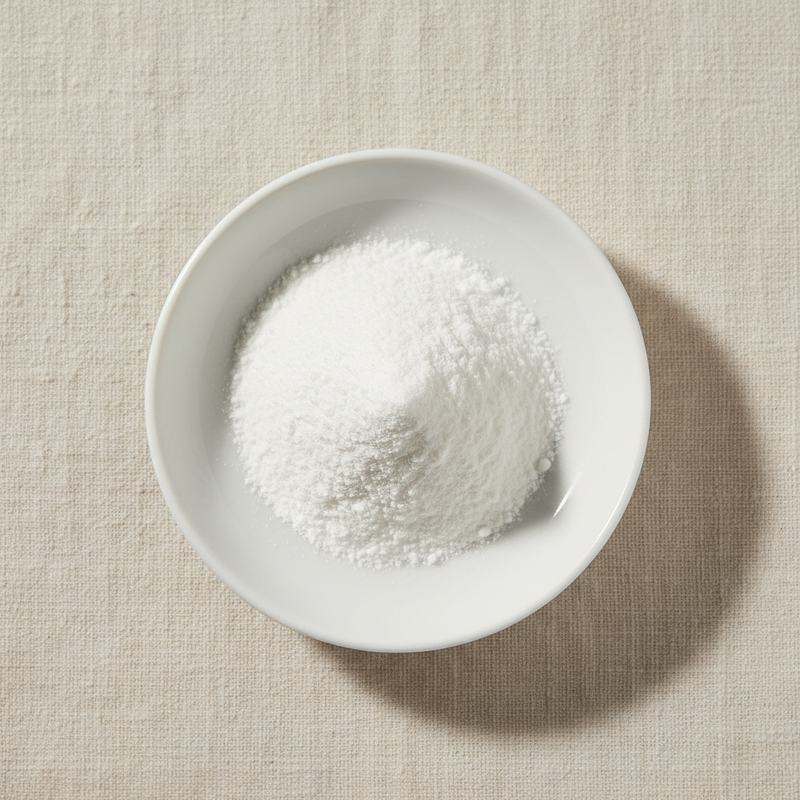
Disodium dihydrogen pyrophosphate, Na2H2P2O7. The aluminium-free workhorse leavening acid of modern industrial baking, available in a graded family of reaction rates that lets bakers tune leavening kinetics precisely.
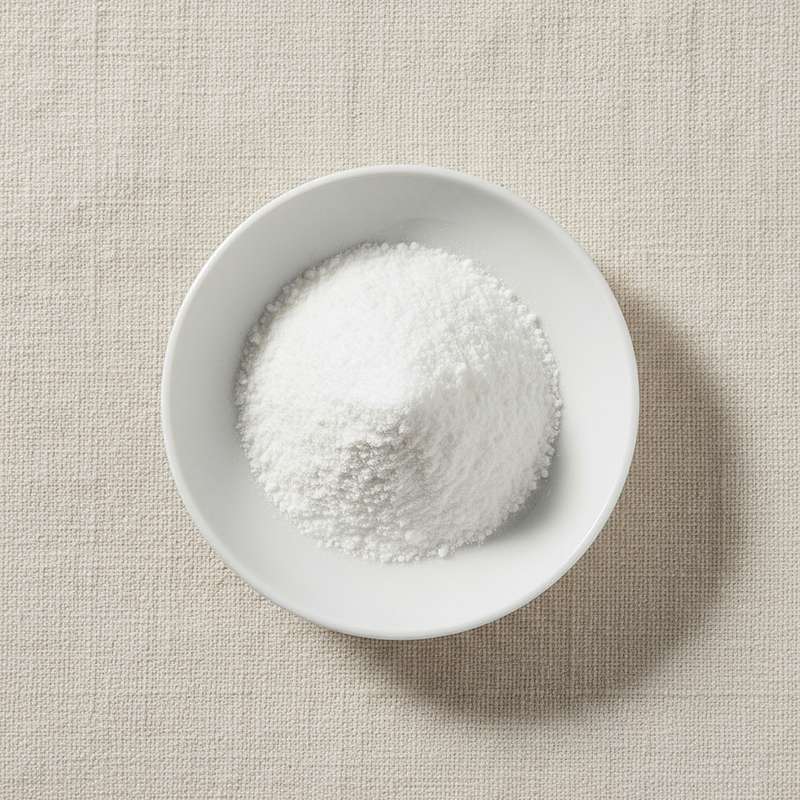
White crystalline powder. Soluble in water with mild acidity. Available in standardized SAPP rates from SAPP 15 (slowest) to SAPP 40 (fastest), where the number indicates the percentage of CO2 released in the first eight minutes at 27 °C with stoichiometric sodium bicarbonate.
We supply food-grade Sodium Acid Pyrophosphate from manufacturers in China holding ISO, Halal, Kosher and other certifications relevant to the product and production.
Common market grades include SAPP 15, SAPP 22, SAPP 28, SAPP 36, and SAPP 40, each engineered for a specific application: fast SAPP for cake doughnuts, mid-range SAPP for pancakes and cake mixes, slow SAPP for refrigerated biscuit dough and frozen dough applications.
Bulk and reduced-MOQ shipments. Batch-level COA covering assay, P2O5 content, neutralizing value, reaction rate, fluoride, heavy metals, and microbiology.
Introduction
Sodium Acid Pyrophosphate has been used in food applications since the early twentieth century, but it took on its dominant industrial baking role in the late 1900s as bakeries began reformulating away from aluminium-containing leavening systems in response to regulatory pressure and label transparency.
Production is by partial neutralization of phosphoric acid with sodium hydroxide to monosodium dihydrogen phosphate, followed by controlled thermal condensation at 220 to 250 °C. The resulting pyrophosphate is crystallized, milled, and graded by reaction rate.
Regulated in the EU as E450(i) within the phosphate group, classified as Generally Recognized as Safe by the U.S. FDA under 21 CFR 182.1087, and covered by the JECFA group ADI for phosphates of 70 mg/kg body weight as phosphorus.
Mechanism in finished products is controlled-rate acid release into the bicarbonate reaction. The reaction-rate grading lets bakers select the exact CO2 release profile for a given application: too fast and CO2 escapes before structure sets; too slow and finished volume suffers. The standardized SAPP rate system, established by the U.S. baking industry, is one of the few ingredient-grade systems where the specification directly predicts in-process behavior.
Strategic positioning: SAPP is the aluminium-free leavening-acid standard. Beyond baking, its sequestrant activity (chelating divalent metals) gives it significant value in meat, potato, and seafood processing, making it one of the most versatile multi-function phosphates in the food industry.
Where it is used
- Cake doughnut leavening; SAPP 28 and SAPP 40 are the industry standards for crumb structure and oil absorption control
- Refrigerated biscuit and roll dough requiring extended cold-storage stability; SAPP 15 and SAPP 22 dominate
- Aluminium-free double-acting baking powder, paired with MCP for bench action
- Frozen waffle, pancake, and prepared dough formulations
- Potato product color stabilization; sequesters iron and prevents the gray-blue discoloration of cut and processed potatoes
- Meat and poultry water-binding and moisture retention; reduces purge in injected and tumbled products
- Seafood color and texture preservation, particularly in shrimp and surimi
- Cheese emulsification component in processed cheese systems
- Crab and lobster meat color retention during canning and freezing
Technical data
| Item | Specification |
|---|---|
| Appearance | White crystalline powder |
| Assay (Na2H2P2O7, dry basis) | ≥ 95.0% |
| P2O5 content | 63.0% to 65.0% |
| Reaction rate (as SAPP grade) | 15 to 40 (selectable) |
| Loss on drying | ≤ 0.5% |
| pH (1% solution) | 3.7 to 5.0 (grade dependent) |
| Fluoride | ≤ 30 mg/kg |
| Heavy metals (as Pb) | ≤ 10 mg/kg |
| Arsenic | ≤ 3 mg/kg |
| Particle size | Per customer specification |
Related ingredients
Ready to discuss business?
Send us your spec and requirement. We will respond with availability and pricing within 24 hours.