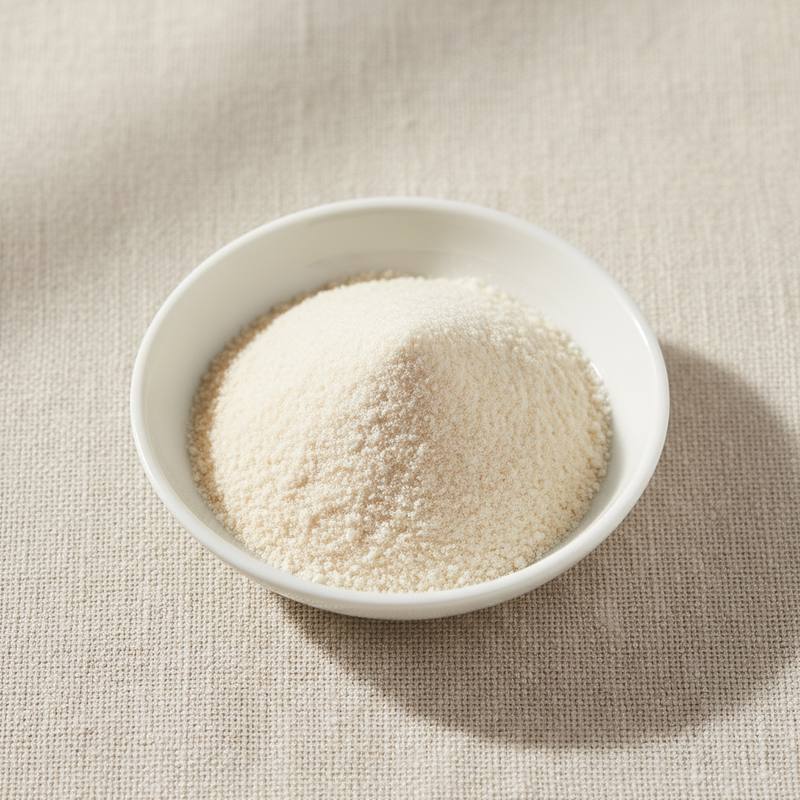
Description
A neutral beta-1,3-glucan produced by aerobic fermentation of Schizophyllum commune. Distinguished from microbial polysaccharides used in food by a unique triple-helix solution structure that delivers exceptional high-salt and high-temperature viscosity stability plus documented immunomodulatory bioactivity. Used in cosmetics, nutraceutical immunity products, and enhanced oil recovery.
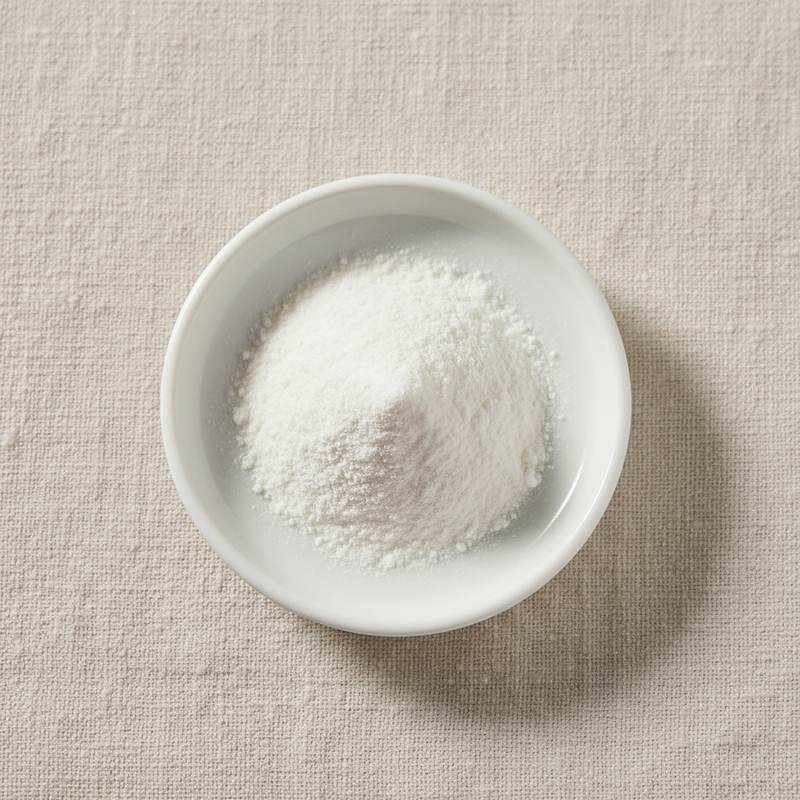
Off-white to pale yellow free-flowing powder. Forms ordered triple-helix structures in aqueous solution that retain viscosity in saturated brine and at temperatures above 120 °C.
We supply cosmetic-grade and nutraceutical-grade Schizophyllan from manufacturers in China holding ISO and quality certifications relevant to the product and production.
Common market grades include Cosmetic Grade (the principal commercial form, used in anti-aging and immune-skincare products), Nutraceutical Grade for immune-support dietary supplements, and Industrial Grade for enhanced oil recovery and specialty drilling applications.
Bulk and reduced-MOQ shipments. Batch-level COA covering viscosity, beta-glucan content, particle size, heavy metals, endotoxin (nutraceutical grade), and microbiology.
Introduction
Schizophyllan was first isolated by Norio Komatsu and colleagues in Japan in 1959 from the wood-decay fungus Schizophyllum commune. It has been commercialized in Japan as a clinical immunomodulator and broadly studied for cosmetic and oilfield applications. Sclerogan is a closely related beta-glucan from Sclerotium rolfsii sold for similar uses.
Industrial production proceeds by submerged aerobic fermentation of Schizophyllum commune on glucose substrates, followed by cell removal, ultrafiltration, alcohol precipitation, drying, and milling. The product is a beta-1,3-glucan with a single beta-1,6-glucose substitution on every third repeat unit.
Approved as a pharmaceutical agent in Japan; cosmetic and nutraceutical grades are sold globally under varying regulatory frameworks. Not currently an EU-approved food additive.
The molecule's defining property is the triple-helix solution structure: three Schizophyllan polymer chains intertwine to produce a rigid rod-like assembly that resists thermal denaturation up to 135 °C and salt-induced precipitation up to saturation. This rigid-rod structure also drives the immunomodulatory function attributed to dietary and topical beta-1,3-glucans.
Strategic positioning targets premium cosmetic anti-aging applications where the documented immunomodulatory effect supports specific skin-immunity claims, and high-temperature enhanced oil recovery where competing polymers fail. Nutraceutical use is growing under the broader beta-glucan immune-health category.
Where it is used
- Cosmetic anti-aging and immune-positioning skincare; the principal global application, used at 0.05 to 0.5 percent
- Nutraceutical immune-support supplements; beta-glucan immunomodulatory positioning
- Wound-healing topical formulations and medical dressings
- Enhanced oil recovery (EOR) polymer flooding in high-temperature reservoirs
- Specialty drilling fluids for high-temperature and high-salinity wells
- Pharmaceutical adjuvant research and immunotherapy formulations
- Functional beverages and gummies in specific Asian and European markets with beta-glucan claims
Technical data
| Item | Specification |
|---|---|
| Appearance | Off-white to pale yellow free-flowing powder |
| Beta-1,3-glucan content | ≥ 85.0% |
| Viscosity (0.5% solution) | 500 to 1500 cP |
| Loss on drying | ≤ 10.0% |
| Ash | ≤ 5.0% |
| Protein | ≤ 3.0% |
| Heavy metals (as Pb) | ≤ 5 mg/kg |
| Arsenic | ≤ 2 mg/kg |
| Total plate count | ≤ 1000 cfu/g |
Related ingredients
Ready to discuss business?
Send us your spec and requirement. We will respond with availability and pricing within 24 hours.