Description
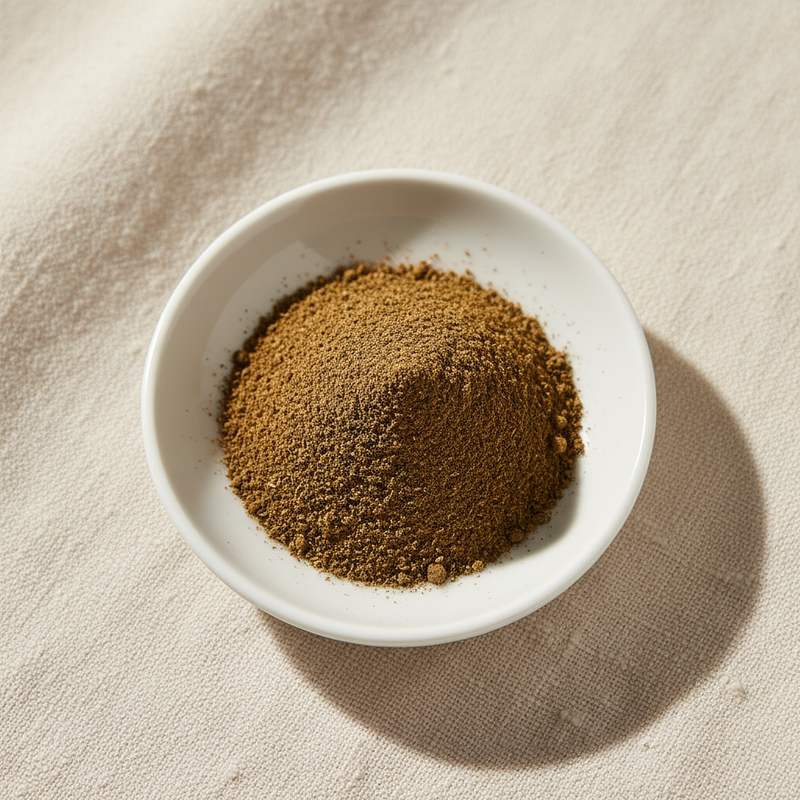
The standardized extract of Salvia officinalis leaves (common sage, garden sage), containing rosmarinic acid, ursolic acid, and carnosic acid as principal active compounds. Used in cognitive-support, menopause-support, and antimicrobial supplement formulations.
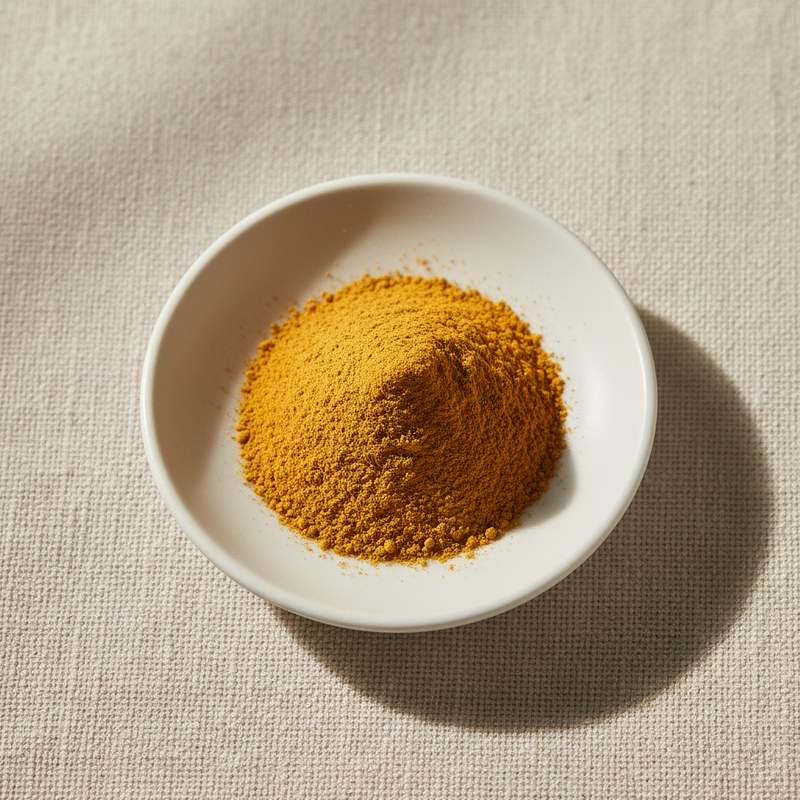
Light brown to green-brown free-flowing powder with characteristic aromatic odor. Limited water solubility; freely soluble in alcohol.
We supply food-grade Sage Extract from manufacturers in China holding ISO, Halal, Kosher and other certifications relevant to the product and production. Organic-certified grades are available.
Common market grades include 4:1 to 20:1 herb-to-extract ratios (standard grades), 5 percent Rosmarinic Acid (the standardized supplement grade), 10 percent Rosmarinic Acid (premium grade), and 30 percent Rosmarinic Acid (high-end concentrated grade). Spanish sage (Salvia lavandulifolia) extract is also available for clinical-grade cognitive-support positioning.
Bulk and reduced-MOQ shipments. Batch-level COA covering rosmarinic acid (HPLC), carnosic acid, ursolic acid, residual solvents, heavy metals, pesticides, and microbiology.
Introduction
Sage (Salvia officinalis) has been used as both spice and medicine across European, Middle Eastern, and Mediterranean cultures for over 2,000 years. The Latin name Salvia derives from salvere, to heal, reflecting the herb's historical medicinal status.
Industrial production proceeds by ethanol or hydroalcoholic extraction of dried sage leaves, followed by purification and standardization to defined rosmarinic acid content.
Recognized as a permitted food ingredient by the U.S. FDA (GRAS), the European Food Safety Authority, and equivalent regulators worldwide. The European Medicines Agency has issued monographs for sage preparations as traditional herbal medicines for excessive sweating, oral inflammation, and minor digestive complaints.
Modern research has identified cognitive-enhancing effects for sage extract in clinical trials, with both Salvia officinalis and Salvia lavandulifolia showing memory-support effects at appropriate doses. Sage extract is among the more clinically-evidenced cognitive-support botanicals alongside Bacopa and Ginkgo.
Strategic positioning targets cognitive-support and menopause-support dietary supplements, with secondary applications in oral care and antimicrobial functional foods.
Where it is used
- Cognitive-support dietary supplement formulations: memory and mental-clarity positioning
- Menopause-support supplements: hot-flash relief positioning (an established sage clinical application)
- Oral-care products including mouthwash and breath-freshening formulations
- Natural antimicrobial in functional food and beverage applications
- Cosmetic skincare: anti-aging and antioxidant formulations
- Traditional European herbal medicine product formulations
- Premium pet supplements for senior animal cognitive support
Technical data
| Item | Specification |
|---|---|
| Appearance | Light brown to green-brown free-flowing powder |
| Rosmarinic acid (HPLC) | 5% / 10% / 30% (grade dependent) |
| Total polyphenols | ≥ 20% |
| Loss on drying | ≤ 5.0% |
| Residue on ignition | ≤ 8.0% |
| Heavy metals (as Pb) | ≤ 2 mg/kg |
| Total plate count | ≤ 10000 cfu/g |
| Source | Salvia officinalis leaves |
Related ingredients
Ready to discuss business?
Send us your spec and requirement. We will respond with availability and pricing within 24 hours.