Description
The premium high-crocin standardized extract of Saffron (Crocus sativus), with crocin standardized at 5 to 30 percent (versus the standard 2 percent safranal grade supplied separately). The crocin fraction is responsible for the deep coloring and many of the antioxidant, neuroprotective, and ophthalmological activities of Saffron. This grade serves natural food colorant applications, premium eye-health supplements, and high-end mood-support and cognitive-support formulations.
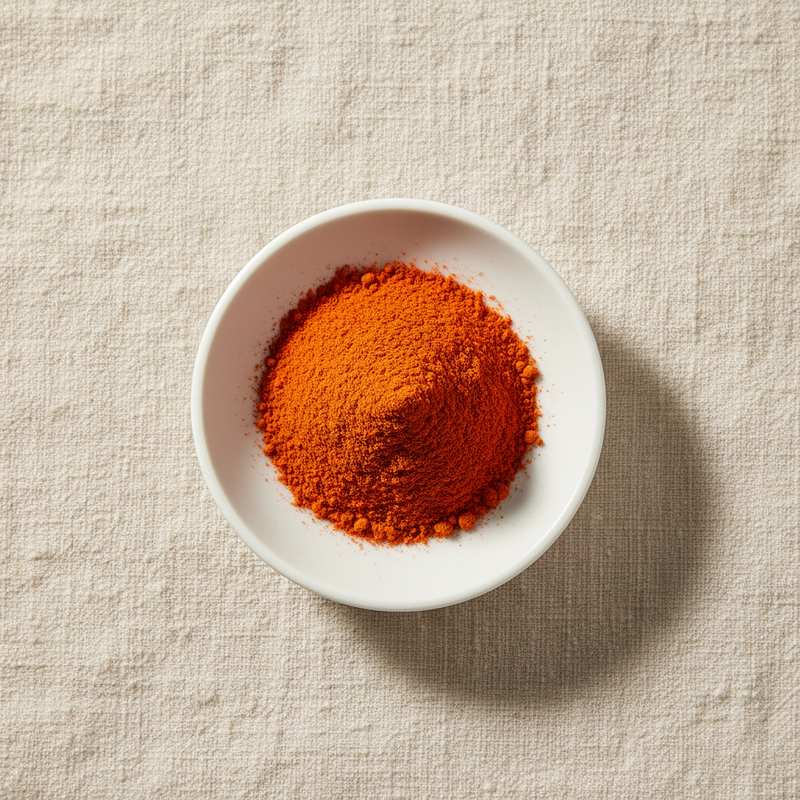
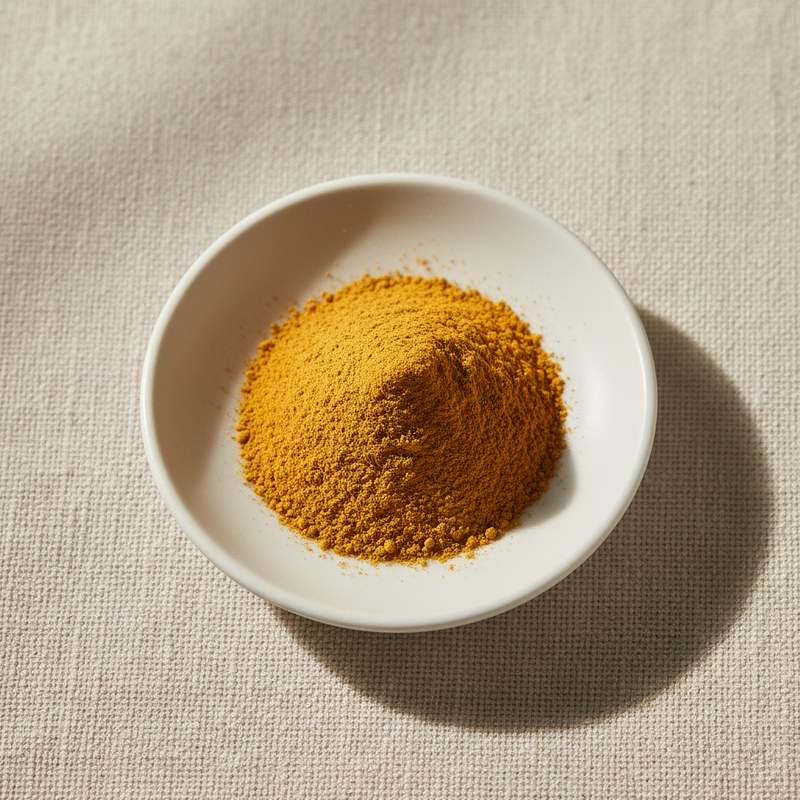
Deep red to orange-red free-flowing powder. Highly water-soluble (crocin and its glycosides are water-soluble unlike safranal which is essential oil soluble).
We supply food-grade Saffron Crocin Standardized extract from manufacturers in China holding ISO, Halal, Kosher and other certifications relevant to the product and production.
Common market grades include Saffron 5 percent Crocin (standard supplement grade), Saffron 10 percent Crocin (premium grade), Saffron 20 percent Crocin (high-end grade), and Pure Crocin 90 percent (the natural food colorant and pharmaceutical research grade).
Bulk and reduced-MOQ shipments. Batch-level COA covering crocin content (HPLC), picrocrocin content, safranal content, residual solvents, heavy metals, pesticides, and microbiology.
Introduction
Saffron's pigmenting crocins are responsible for the spice's characteristic deep orange-red color and have emerged as the principal active fraction for ophthalmological and cognitive applications, distinct from the safranal fraction that dominates traditional mood-support positioning. Modern clinical research, particularly the work of the Italian Saffron Research Group, has established saffron crocins as an evidence-based natural product for age-related macular degeneration with multiple controlled trials demonstrating improvements in retinal function and visual acuity.
Industrial production for high-crocin grades proceeds by selective ethanol or aqueous extraction of dried saffron stigmas, followed by chromatographic purification to enrich the water-soluble crocin glycoside fraction. The process is distinct from traditional saffron extraction (which preserves the balance of crocin, safranal, and picrocrocin) by selective concentration of the crocin fraction.
Recognized as a permitted food ingredient by the U.S. FDA, the European Food Safety Authority, and equivalent regulators worldwide. Approved as a natural food colorant in many jurisdictions.
Clinical evidence supports the eye-health positioning at typical doses of 20 to 50 mg saffron extract per day, with the high-crocin grades preferred for ophthalmological applications. Mood-support evidence (typically using lower-crocin, higher-safranal grades) is established at 30 mg per day doses.
Strategic positioning targets premium ophthalmological supplements (the strongest emerging clinical evidence segment), natural food colorant applications, and high-end cognitive and mood-support supplements.
Where it is used
- Premium eye-health dietary supplements: macular degeneration and vision-support formulations (the principal new clinical evidence base)
- Premium mood-support and cognitive-support supplements
- Natural food colorant: yellow to orange coloring in beverage, dairy, confectionery applications
- Premium functional beverages: wellness shots and antioxidant drinks
- Cosmetic skincare: premium anti-aging and brightening formulations
- Traditional Persian and Mediterranean medicine product formulations
- Pharmaceutical research applications including ophthalmology, neuroscience, and oncology research
Technical data
| Item | Specification |
|---|---|
| Appearance | Deep red to orange-red free-flowing powder |
| Crocin content (HPLC) | 5% / 10% / 20% / 90% (grade dependent) |
| Picrocrocin content | ≥ 1% |
| Safranal content | declared per batch |
| Loss on drying | ≤ 5.0% |
| Heavy metals (as Pb) | ≤ 2 mg/kg |
| Total plate count | ≤ 1000 cfu/g |
| Source | Crocus sativus dried stigmas |
Related ingredients
Ready to discuss business?
Send us your spec and requirement. We will respond with availability and pricing within 24 hours.