Description
Type 3 resistant starch produced by gelatinization and controlled retrogradation of high-amylose starch. The retrograded crystalline structure resists enzymatic digestion and is more heat-stable than RS2.
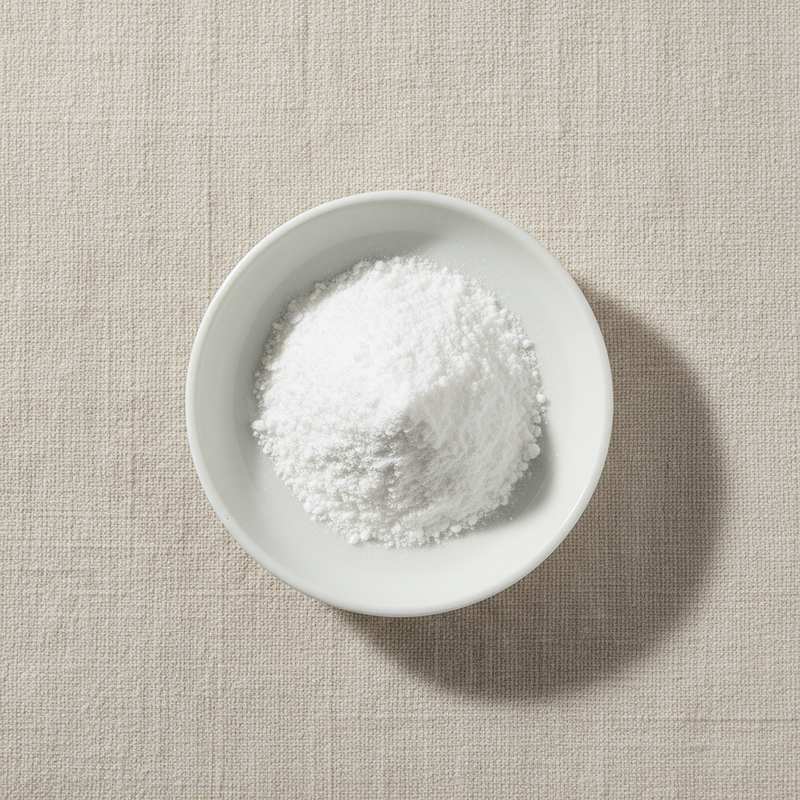
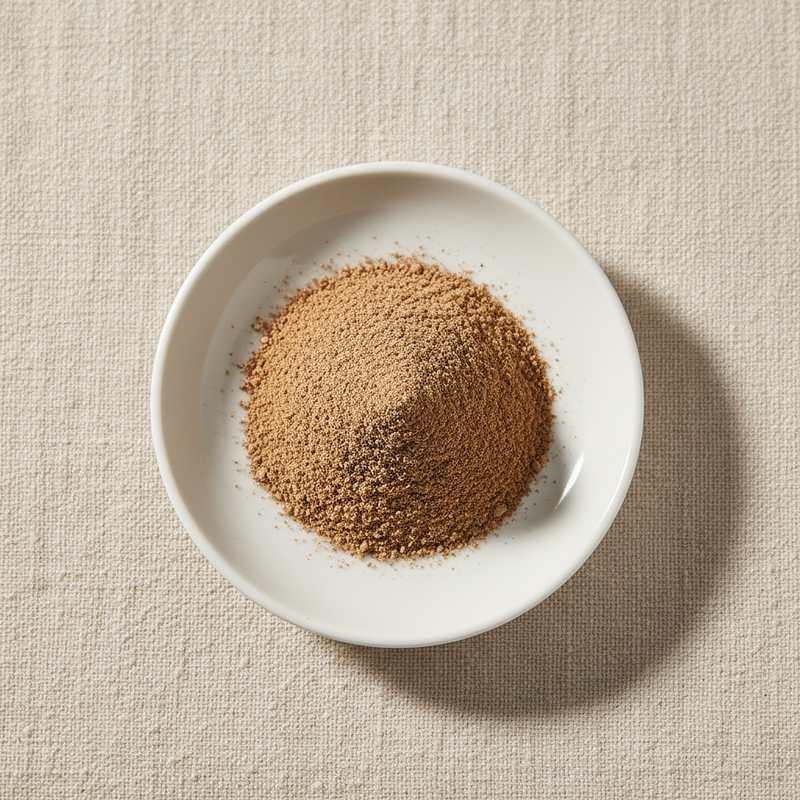
White to off-white free-flowing powder. Bland taste. Stable through high-temperature processing including baking above 150 degrees Celsius and retort.
We supply food-grade Resistant Starch RS3 from manufacturers in China holding ISO, Halal, Kosher and other certifications relevant to the product and production.
Common market grades include standard RS3 60% fiber, premium RS3 80% fiber, and ultra-fine grades for confectionery and beverage applications.
Bulk and reduced-MOQ shipments. Batch-level COA covering total fiber, gelatinization profile, moisture, heavy metals, and microbiology.
Introduction
RS3 is produced from native or modified starches by a controlled gelatinization-retrogradation cycle. The starch is dispersed in water, heated above gelatinization temperature, then cooled under controlled conditions that promote recrystallization of amylose into a tightly packed, enzyme-resistant structure.
The principal advantage over RS2 is heat stability. RS2's granular crystalline structure begins to lose activity above 130 degrees Celsius, whereas RS3's retrograded crystallinity remains intact through extrusion, retort, and high-temperature baking.
Production processes are well-established in China and other major starch-producing countries, with both corn-derived and tapioca-derived RS3 grades available. The choice of starting starch affects sensory profile and ingredient declaration options.
Clinical and physiological effects mirror RS2: glycemic-management, butyrate production, and colonic fermentation. The heat stability extends the application range to product categories where RS2 would not survive processing.
Where it is used
- Retort-processed and high-temperature foods requiring stable fiber content
- Extruded snacks, breakfast cereals, and pasta
- Bakery products processed above 130 degrees Celsius
- Confectionery applications where heat stability is required
- Functional bars and high-temperature bar processing
- Plant-based meat alternatives
- Sauces, gravies, and retort dairy products
- Glycemic-management supplements
Technical data
| Item | Specification |
|---|---|
| Appearance | White to off-white powder |
| Total dietary fiber (AOAC 2002.02) | ≥ 60.0% |
| Moisture | ≤ 12.0% |
| Heat stability | Stable to 150 °C |
| Protein | ≤ 0.5% |
| Ash | ≤ 0.5% |
| Heavy metals (as Pb) | ≤ 2 mg/kg |
| Arsenic | ≤ 1 mg/kg |
| Total plate count | ≤ 5000 cfu/g |
Related ingredients
Ready to discuss business?
Send us your spec and requirement. We will respond with availability and pricing within 24 hours.