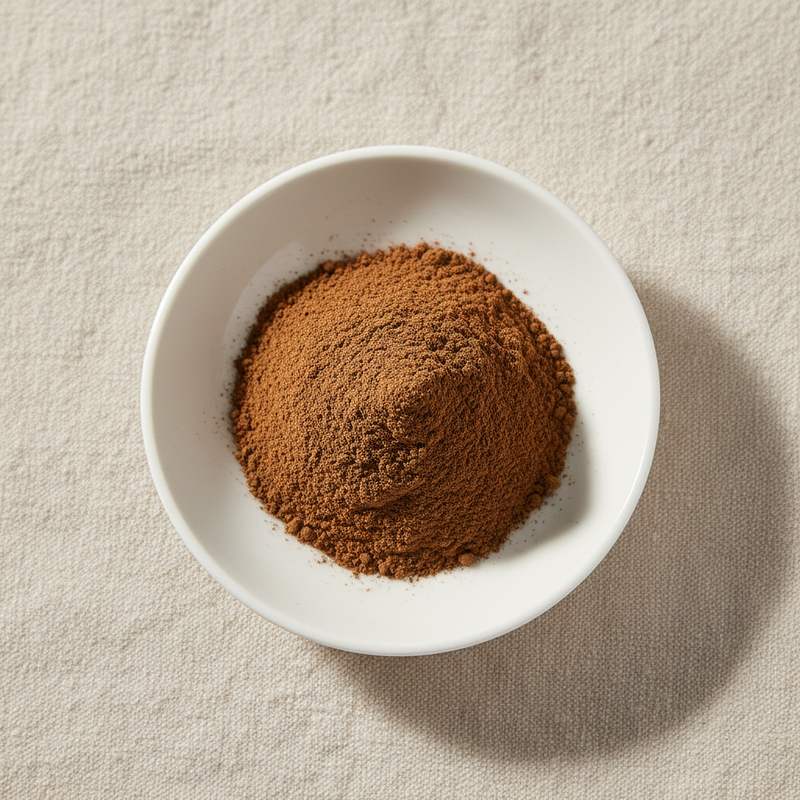
Description
The standardized polysaccharide extract of Reishi mushroom (Ganoderma lucidum, known as ling zhi in Traditional Chinese Medicine). Standardized to total polysaccharides (principally beta-glucan) and ganoderic acid triterpenoids. Used in immune-support, calming, and longevity dietary supplements globally.
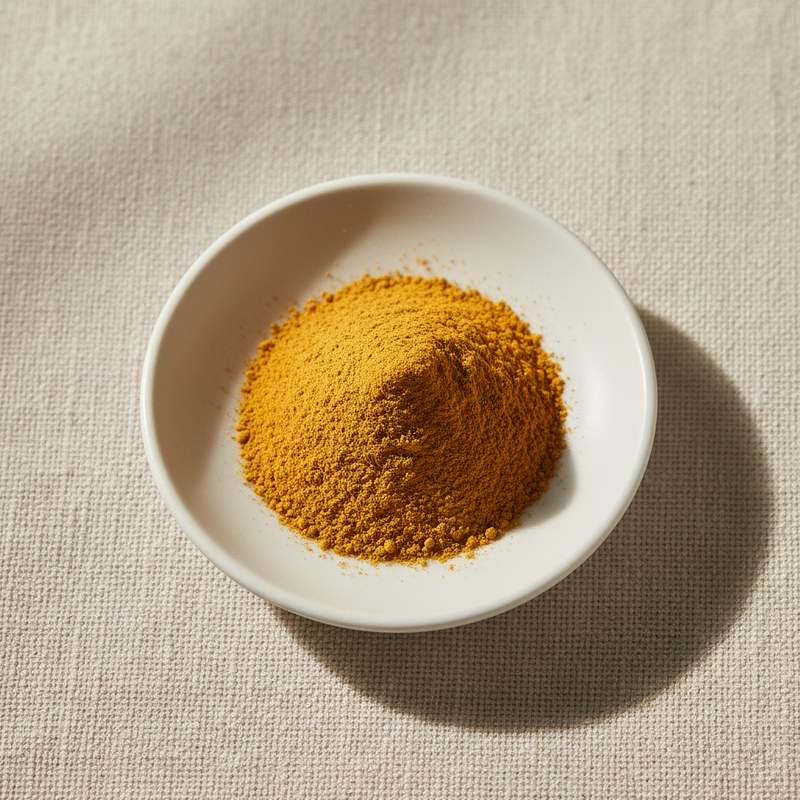
Light brown to dark brown free-flowing powder. Water-soluble.
We supply food-grade Reishi Polysaccharide from manufacturers in China holding ISO, Halal, Kosher and other certifications relevant to the product and production. Organic-certified and dual-extracted (water plus alcohol) grades are available.
Common market grades include 10 percent Polysaccharides (cost-effective baseline), 30 percent Polysaccharides (standard supplement grade), 50 percent Polysaccharides (premium grade), Triterpenoids 4 to 8 percent standardized grades, and Reishi Spore Powder (the alternative high-value supplement format).
Bulk and reduced-MOQ shipments. Batch-level COA covering total polysaccharides (UV), beta-glucan content, triterpenoid content (UV or HPLC), residual solvents, heavy metals, and microbiology.
Introduction
Reishi has been used in Traditional Chinese Medicine for over 2,000 years and is described in the Shennong Bencao Jing (the oldest Chinese pharmacopeia) as a superior-grade longevity herb. The mushroom has emerged as one of the most commercially significant functional mushrooms in modern Western markets through the 2010s and 2020s.
Industrial production proceeds by hot-water extraction of dried Reishi fruiting body or mycelium (for the polysaccharide fraction) followed by ethanol extraction (for the triterpenoid fraction). Dual-extracted products combine both fractions for full-spectrum positioning.
Recognized as a permitted food ingredient by the U.S. FDA (GRAS), the European Food Safety Authority, and equivalent regulators worldwide.
The beta-glucan polysaccharides activate innate immune system pattern-recognition receptors (Dectin-1, Toll-like receptor 4), and the triterpenoid ganoderic acids have documented liver-protective and adaptogenic activities. Clinical evidence supports immune-modulation and quality-of-life endpoints in immunocompromised populations.
Strategic positioning is dominated by immune-support dietary supplements globally, with the fastest-growing segment being functional mushroom beverages (mushroom coffee and adaptogen-positioned wellness drinks).
Where it is used
- Immune-support dietary supplements: the dominant commercial application globally
- Calming and stress-management adaptogen-positioned supplements
- Longevity and anti-aging supplement formulations
- Traditional Chinese Medicine: ling zhi formulations and modern granule formats
- Functional beverages: mushroom coffee and wellness shots (a fast-growing segment)
- Cosmetic skincare: anti-aging and skin-vitality formulations
- Premium pet supplements positioned for senior animal immunity
- Sports nutrition: recovery and immune-support positioning
Technical data
| Item | Specification |
|---|---|
| Appearance | Light brown to dark brown free-flowing powder |
| Total polysaccharides (UV) | 10% / 30% / 50% (grade dependent) |
| Beta-glucan (Megazyme) | ≥ 25% |
| Triterpenoids (UV) | 4% to 8% (standardized grades) |
| Loss on drying | ≤ 6.0% |
| Heavy metals (as Pb) | ≤ 2 mg/kg |
| Total plate count | ≤ 10000 cfu/g |
| Source | Ganoderma lucidum fruiting body or mycelium |
Related ingredients
Ready to discuss business?
Send us your spec and requirement. We will respond with availability and pricing within 24 hours.