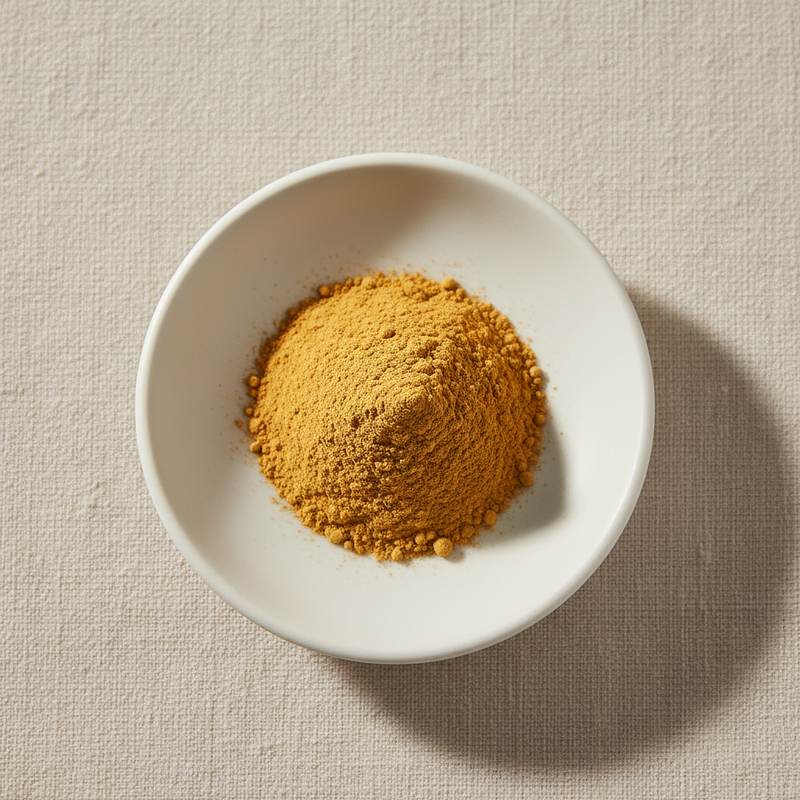
Description
A synthetic greenish-yellow water-soluble quinophthalone dye. Chemically a mixture of the disulfonates of 2-(2-quinolyl)-1,3-indandione, listed in the EU as E104. Delivers a clean greenish-yellow distinct from the warmer tone of Tartrazine.
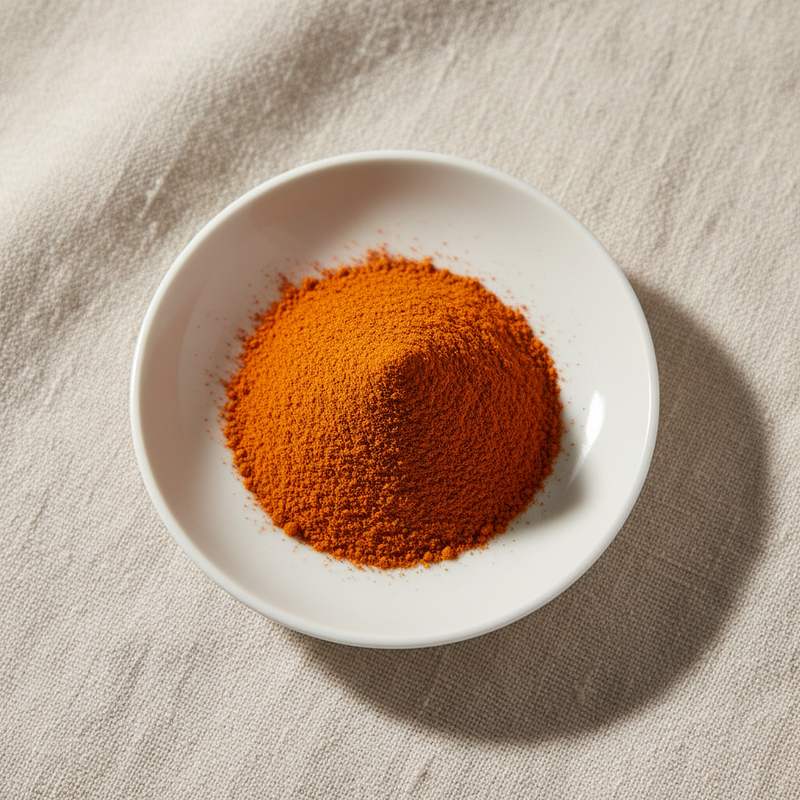
Greenish-yellow to yellow free-flowing fine powder. Water-soluble in the dye form, with the corresponding aluminum lake produced for fat-based and tablet-coating applications.
We supply food-grade Quinoline Yellow from manufacturers in China holding ISO, Halal, Kosher and other certifications relevant to the product and production. Both the soluble dye and the aluminum lake are produced. Buyers should verify destination market regulatory status, as the dye is not approved for food use in the United States or Japan.
Common market grades are sold by dye content: pure dye at minimum 70 percent total coloring matter and aluminum lake at 10 percent to 40 percent dye content. The standard product is a defined mixture of mono-, di-, and tri-sulfonated forms.
Bulk and reduced-MOQ shipments. Batch-level COA covering total dye content, sulfonate distribution, subsidiary colors, heavy metals, and microbiology.
Introduction
Quinoline Yellow was developed in the late nineteenth century and approved for food use in Europe through the twentieth century. It occupies a regulatory split position globally: permitted as a food colorant in the EU, UK, and many Commonwealth markets, restricted to cosmetic and pharmaceutical use in the United States, and not permitted for food use in Japan and some other Asian markets.
Production proceeds by condensation of quinaldine with phthalic anhydride to form 2-(2-quinolyl)-1,3-indandione, followed by sulfonation with sulfuric acid and isolation as the disodium salt mixture. The crude dye is purified by recrystallization and standardized to declared total coloring matter content.
Regulated as E104 in the EU and approved by JECFA with an Acceptable Daily Intake of 5 mg per kg body weight. In the EU, products containing Quinoline Yellow must carry the Southampton-related child-activity warning. The U.S. FDA permits the dye for external cosmetic and ingested drug use under the D&C Yellow 10 designation but not for direct food use.
Technical performance is good: stable through baking and pasteurization, broad pH compatibility from 2 to 9, good light stability, and compatibility with most food ingredients.
Strategically, Quinoline Yellow occupies a smaller share of the synthetic yellow market than Tartrazine and Sunset Yellow because of its more limited global regulatory footprint. EU clean-label reformulation pressure has driven a notable shift away from E104 toward Carthamus Yellow, Curcumin, and Riboflavin-based options.
Where it is used
- Soft drinks and powdered drink mixes in greenish-yellow shades
- Sugar confectionery, gummies, and hard candies
- Smoked fish and traditional smoked-fish preparations
- Pickled vegetables and condiments
- Bakery decorations and icings
- Ice cream and frozen dairy desserts in EU markets
- Pharmaceutical tablets, capsules, and syrups (cosmetic and pharmaceutical use is broader than food use globally)
- Cosmetics and personal-care preparations
Technical data
| Item | Specification |
|---|---|
| Appearance | Greenish-yellow to yellow powder |
| Chemical class | Synthetic quinophthalone dye |
| Total coloring matter (dye) | ≥ 70.0% |
| Aluminum lake dye content | 10%, 20%, 30%, or 40% (per grade) |
| Color value (E1%, 1cm, 411 nm) | ≥ 865 |
| Solubility | Freely soluble in water (dye); insoluble (lake) |
| Light stability | Good |
| Heat stability | Good through baking and pasteurization |
| pH stability range | 2.0 to 9.0 |
| Subsidiary colors | ≤ 4.0% |
| Lead | ≤ 2 mg/kg |
| Arsenic | ≤ 1 mg/kg |
Related ingredients
Ready to discuss business?
Send us your spec and requirement. We will respond with availability and pricing within 24 hours.