Description
An extract from the tuberous root of Pueraria mirifica (Thai kudzu, white kwao krua), a phytoestrogen-rich species native to Thailand and Myanmar. Distinct from Pueraria lobata (id 28500). Contains the rare phytoestrogens miroestrol and deoxymiroestrol alongside conventional isoflavones (daidzein, genistein, puerarin).
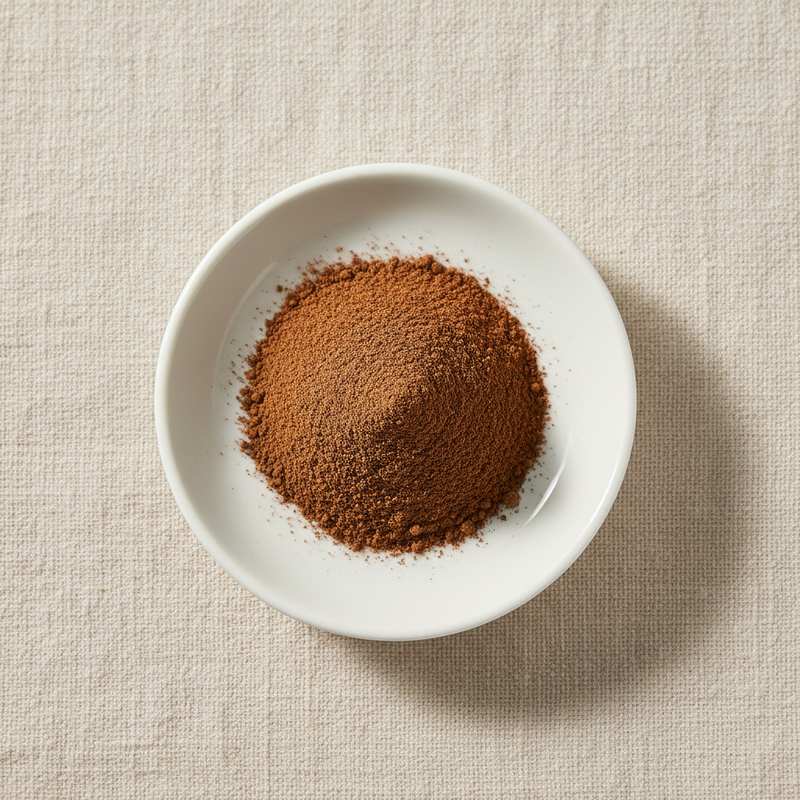
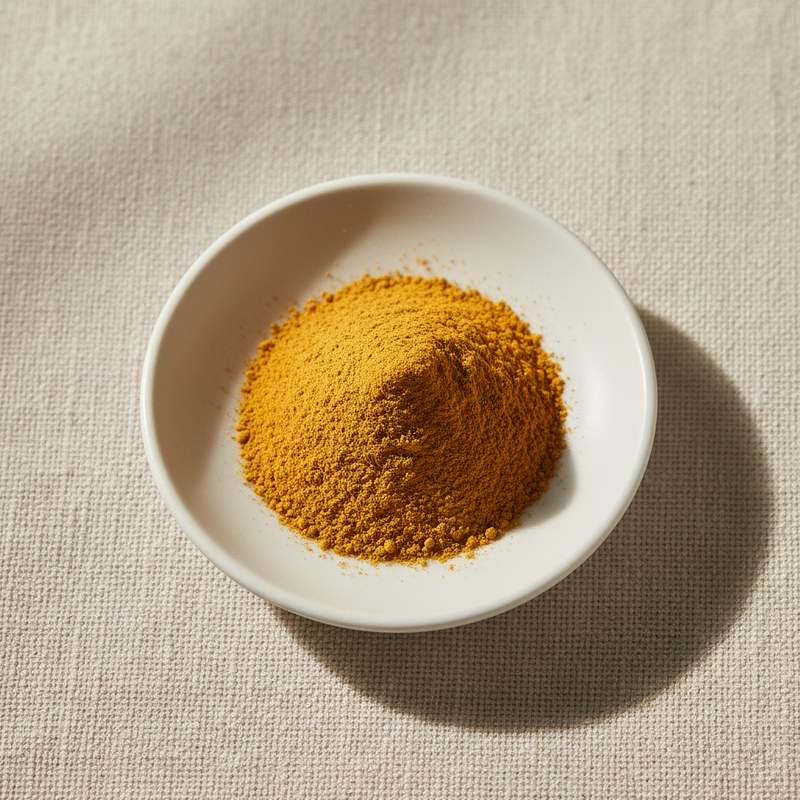
Light brown to beige free-flowing powder. The miroestrol class has among the highest estrogenic activity of any plant-derived compounds, exceeding soy isoflavones by orders of magnitude on a molar basis.
We supply food-grade Pueraria Mirifica Extract from manufacturers in China holding ISO, Halal, Kosher and other certifications relevant to the product and production.
Common market grades include Pueraria Mirifica 10:1 Powder (the breast-enhancement and menopause-supplement workhorse), 20:1 concentrate, Standardized Isoflavones 10 percent grade, and high-purity miroestrol-standardized grades for premium applications.
Bulk and reduced-MOQ shipments. Batch-level COA covering miroestrol and deoxymiroestrol content (HPLC), total isoflavones, residual solvents, heavy metals, pesticides, and microbiology.
Introduction
Pueraria mirifica (white kwao krua) is endemic to the deciduous forests of Thailand, Myanmar, and southern China. The tuberous root has been used in traditional Thai medicine for centuries as a rejuvenating tonic for older women, with documented use predating modern phytoestrogen science by several hundred years.
The plant contains a unique combination of estrogenic compounds including the chromene phytoestrogens miroestrol and deoxymiroestrol (which exhibit estrogenic activity comparable to or exceeding 17-beta-estradiol on a molar basis at certain receptor configurations) alongside the conventional isoflavones daidzein, genistein, and puerarin.
Industrial production proceeds by ethanol or hydroalcoholic extraction of dried tuber, with optional concentration steps. Authentication is important; multiple Pueraria species are sold under the kwao krua name in regional markets, with substantially different phytoestrogen profiles.
Regulatory status varies. Approved as a dietary supplement in the U.S. and Thailand; some other markets require additional review given the potent estrogenic activity. Use during pregnancy, breastfeeding, or in hormone-sensitive conditions is contraindicated.
Strategic positioning targets women's health and beauty-from-within supplements, with substantial commercial market in breast-enhancement positioning despite limited clinical evidence base.
Where it is used
- Breast-enhancement and women's beauty-from-within supplements (the dominant commercial application)
- Menopause and perimenopause hormonal-balance supplements
- Cosmetic skincare: anti-aging and bust-firming topical formulations
- Traditional Thai medicine products and rejuvenation tonics
- Female libido and sexual-wellness supplements
- Hair-health and anti-androgenic-positioning supplements
- Premium nutricosmetic brands targeting Asian and global markets
Technical data
| Item | Specification |
|---|---|
| Appearance | Light brown to beige free-flowing powder |
| Extract ratio | 10:1 / 20:1 (grade dependent) |
| Miroestrol + Deoxymiroestrol | ≥ 0.05% to 0.20% (premium grades) |
| Total isoflavones | typically 5% to 10% |
| Loss on drying | ≤ 5.0% |
| Heavy metals (as Pb) | ≤ 2 mg/kg |
| Total plate count | ≤ 1000 cfu/g |
| Source | Pueraria mirifica tuberous root (Thailand origin preferred) |
Related ingredients
Ready to discuss business?
Send us your spec and requirement. We will respond with availability and pricing within 24 hours.