Description
Polyoxyethylene (20) sorbitan monolaurate, a nonionic hydrophilic emulsifier with HLB approximately 16.7, produced by ethoxylation of sorbitan monolaurate. The most hydrophilic member of the polysorbate family, used where exceptional water solubility and gentle surfactant action are required.
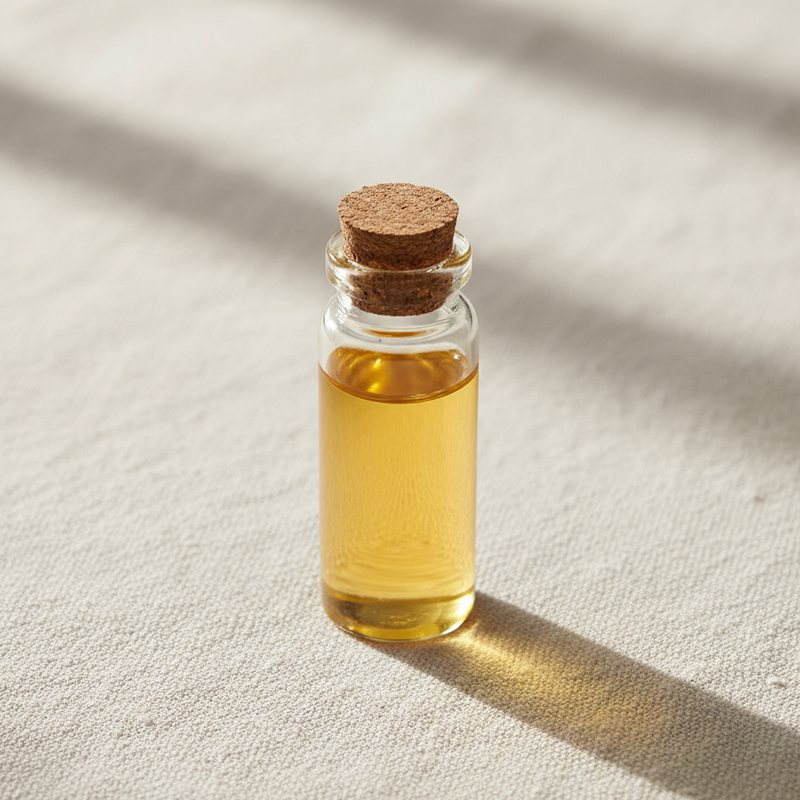
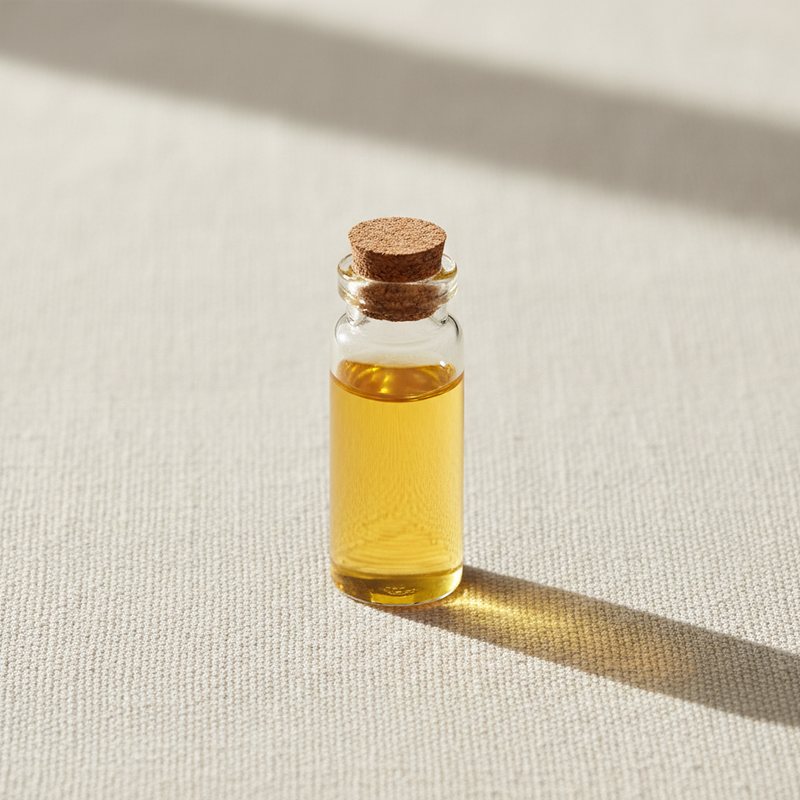
Pale yellow to amber viscous liquid with mild characteristic odor. Highly water-soluble; the laurate chain produces lower viscosity than higher-fatty-acid polysorbates and a softer surfactant profile.
We supply food-grade and pharmaceutical-grade Polysorbate 20 from manufacturers in China holding ISO, Halal, Kosher and other certifications relevant to the product and production.
Common market grades include food-grade Polysorbate 20, USP/EP/JP pharmaceutical grade for biologics and oral formulations, and super-refined grades with reduced peroxide and aldehyde content for sensitive pharmaceutical and biotechnology use.
Bulk and reduced-MOQ shipments. Batch-level COA covering hydroxyl value, saponification value, acid value, peroxide value, water content, and microbiology.
Introduction
Polysorbate 20 was commercialized alongside Polysorbate 80 by Atlas Powder Company in the 1940s. Its laurate fatty acid (C12) backbone produces the highest HLB in the polysorbate family and the softest surfactant action.
Production parallels Polysorbate 80: sorbitol is dehydrated to sorbitan, esterified with lauric acid to sorbitan monolaurate, and ethoxylated with approximately 20 moles of ethylene oxide per mole of sorbitan ester.
Regulated as E432 in the EU with permitted-use levels in defined food categories, classified as Generally Recognized as Safe by the U.S. FDA, listed in USP, EP, and JP pharmacopoeias, and approved by JECFA with an Acceptable Daily Intake of 25 mg per kg body weight (covering the polysorbate family collectively).
The strategic role of Polysorbate 20 in pharmaceutical biologics is protein stabilization: at typical use levels of 0.001 to 0.1 percent, the surfactant prevents aggregation and surface-induced denaturation of monoclonal antibodies and biologic drugs during storage and shipping. This places Polysorbate 20 alongside Polysorbate 80 as a near-universal excipient in modern biotechnology formulation.
Where it is used
- Flavor oil solubilization in clear beverages, sports drinks, and flavored waters; produces transparent micellar solutions of oil-soluble flavors
- Vitamin and essential oil delivery in functional beverages and supplements
- Pickle and brine products; supports flavor and essential oil distribution
- Sauces, dressings, and condiment systems
- Bakery emulsifier blends and yeast-defoaming formulations
- Pharmaceutical biologics, monoclonal antibody formulations, and vaccine stabilization; solubilizer and protein stabilizer in injectable products
- Cosmetic clear gels, micellar waters, and mild cleansers; nonionic surfactant suited to sensitive-skin formulations
- Cell-culture media and biotechnology applications
Technical data
| Item | Specification |
|---|---|
| Appearance | Pale yellow to amber viscous liquid |
| Hydroxyl value | 96 to 108 mg KOH/g |
| Saponification value | 40 to 50 mg KOH/g |
| Acid value | ≤ 2.0 mg KOH/g |
| Peroxide value | ≤ 10.0 meq/kg |
| Water content | ≤ 3.0% |
| Ethylene oxide and dioxane | ≤ 1 mg/kg each |
| Heavy metals (as Pb) | ≤ 5 mg/kg |
| Arsenic | ≤ 2 mg/kg |
| Total plate count | ≤ 100 CFU/g (pharmaceutical grade) |
Related ingredients
Ready to discuss business?
Send us your spec and requirement. We will respond with availability and pricing within 24 hours.