Description
A non-ionic emulsifier produced by esterification of polyglycerol with edible fatty acids. HLB value can be tuned across a wide range by varying the polyglycerol chain length and the degree of esterification, making PGE one of the most versatile emulsifier families in food manufacturing.
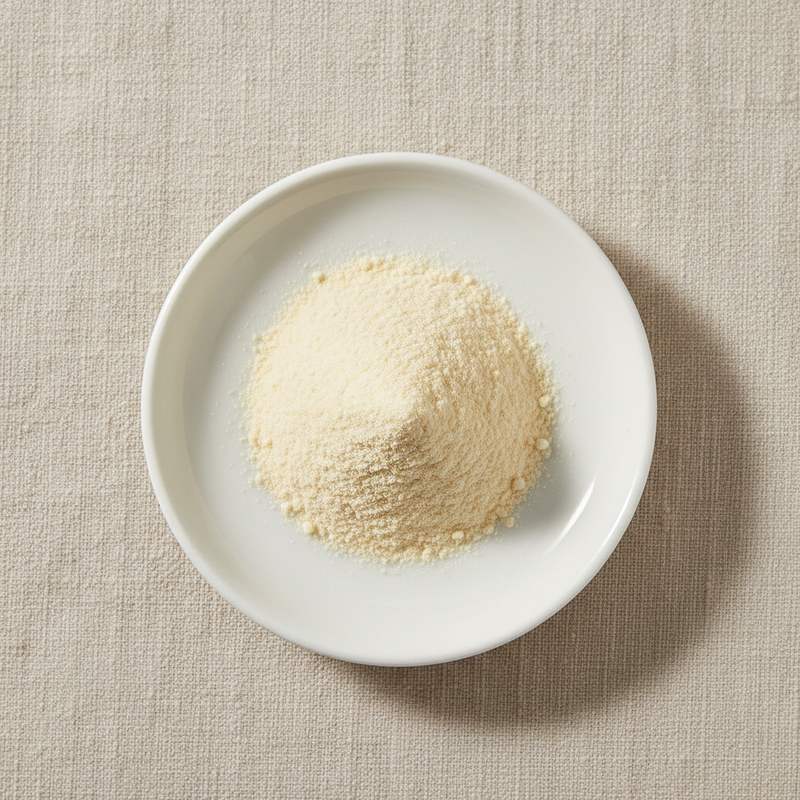
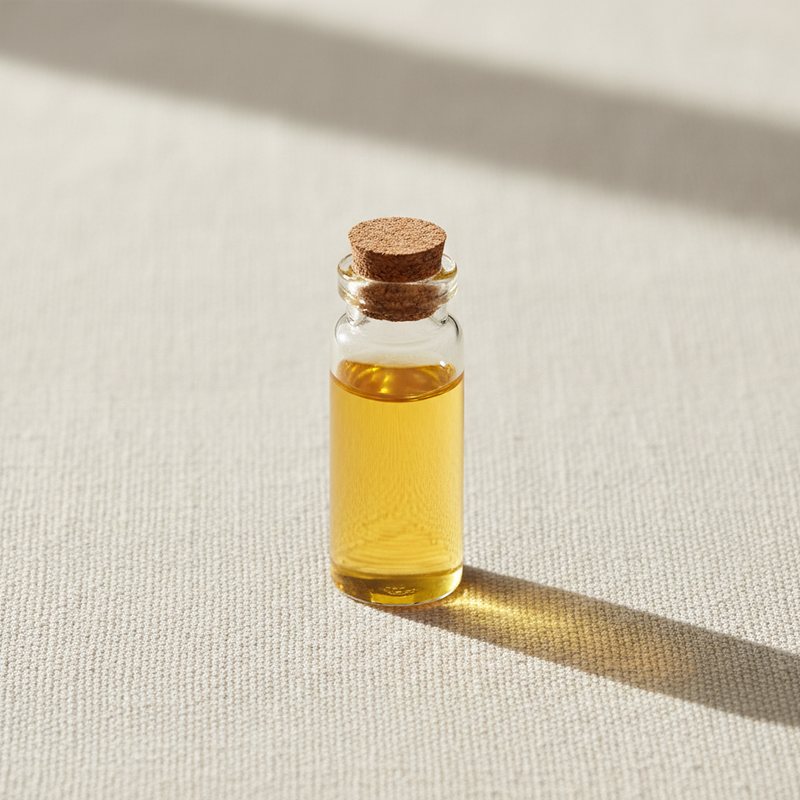
Light yellow to brown liquid, semi-solid, or waxy solid depending on the fatty acid composition and esterification degree. Soluble in oil and dispersible in water at the higher-HLB grades.
We supply food-grade PGE from manufacturers in China holding ISO, Halal, Kosher and other certifications relevant to the product and production.
Common market grades include PGE with HLB 3 to 5 for water-in-oil systems and chocolate, HLB 7 to 10 for general food use, and HLB 13 to 15 for oil-in-water emulsions and powdered creamers. Decaglycerol monostearate, hexaglycerol monolaurate, and tetraglycerol monooleate are widely traded variants.
Bulk and reduced-MOQ shipments. Batch-level COA covering acid value, saponification value, hydroxyl value, free fatty acid, and microbiology.
Introduction
Polyglycerol esters were developed in the 1950s and 1960s as a family of designer emulsifiers whose HLB could be programmed at the molecular level by selecting polyglycerol chain length and fatty acid type.
Industrial production proceeds in two steps: glycerol is polymerized under alkaline catalysis to produce polyglycerol of defined average chain length (di, tri, tetra, hexa, or decaglycerol), then esterified with edible fatty acids such as stearic, palmitic, oleic, or lauric acid. The final HLB is set by the polyglycerol:fatty-acid ratio.
Regulated as E475 in the EU, classified as safe for use by the U.S. FDA in defined applications, and approved by JECFA with an Acceptable Daily Intake of 25 mg per kg body weight.
PGE's strategic value lies in matchability: a formulator can specify a precise HLB requirement, and a PGE grade can be designed to meet it without changing emulsifier chemistry. This makes the family a workhorse across bakery, dairy, confectionery, and beverage applications.
Where it is used
- Bakery shortenings and cake emulsifiers; provides aeration and crumb softness
- Margarines and table spreads; controls water droplet size and spread plasticity
- Whipped toppings and aerated dairy products; stabilizes foam structure
- Chocolate and compound coatings; controls viscosity at low dosage
- Ice cream and frozen desserts; supports overrun and emulsion stability
- Powdered creamers and beverage whiteners; emulsifies fat phase in spray drying
- Confectionery aeration in nougat, marshmallow, and aerated chocolate
- Instant noodle and dehydrated soup mixes; controls oil bleed and rehydration
Technical data
| Item | Specification |
|---|---|
| Appearance | Light yellow to brown liquid, semi-solid, or waxy solid |
| Acid value (mg KOH/g) | ≤ 6.0 |
| Saponification value (mg KOH/g) | Per grade specification |
| Hydroxyl value (mg KOH/g) | Per grade specification |
| Free fatty acid (as oleic acid) | ≤ 3.0% |
| Free glycerol and polyglycerol | ≤ 7.0% |
| Heavy metals (as Pb) | ≤ 5 mg/kg |
| Arsenic | ≤ 3 mg/kg |
| HLB value | 3 to 15, per grade specification |
Related ingredients
Ready to discuss business?
Send us your spec and requirement. We will respond with availability and pricing within 24 hours.