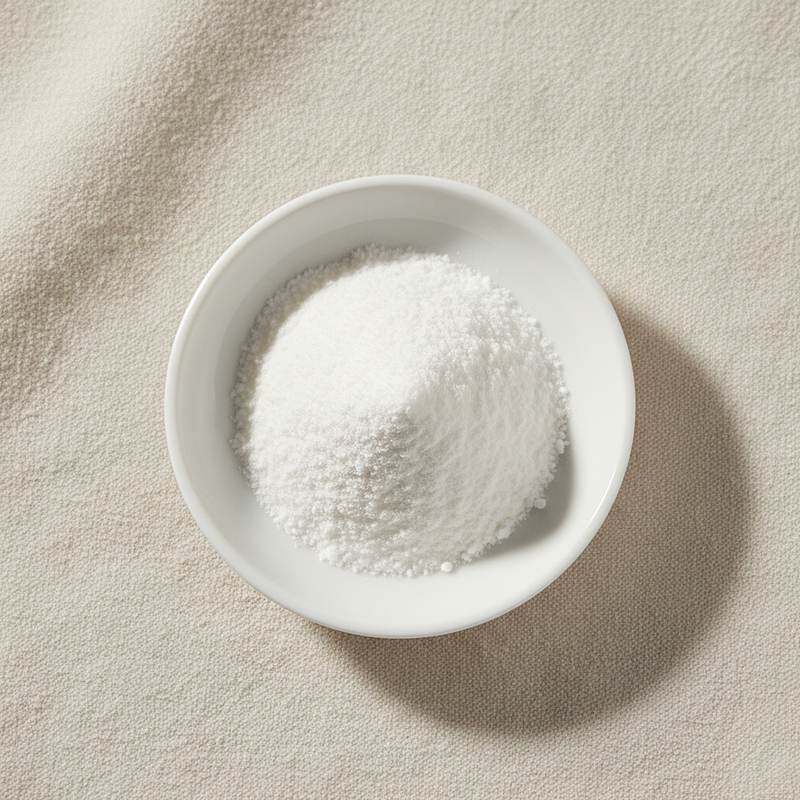
Description
Plant sterols (predominantly beta-sitosterol, campesterol, and stigmasterol) esterified with food-grade fatty acids and microencapsulated on a carrier matrix to deliver a free-flowing powder for dry-blend, capsule, and food-fortification applications. Esterification improves oil solubility relative to free phytosterols and supports incorporation in spreads, dairy, and emulsion systems.
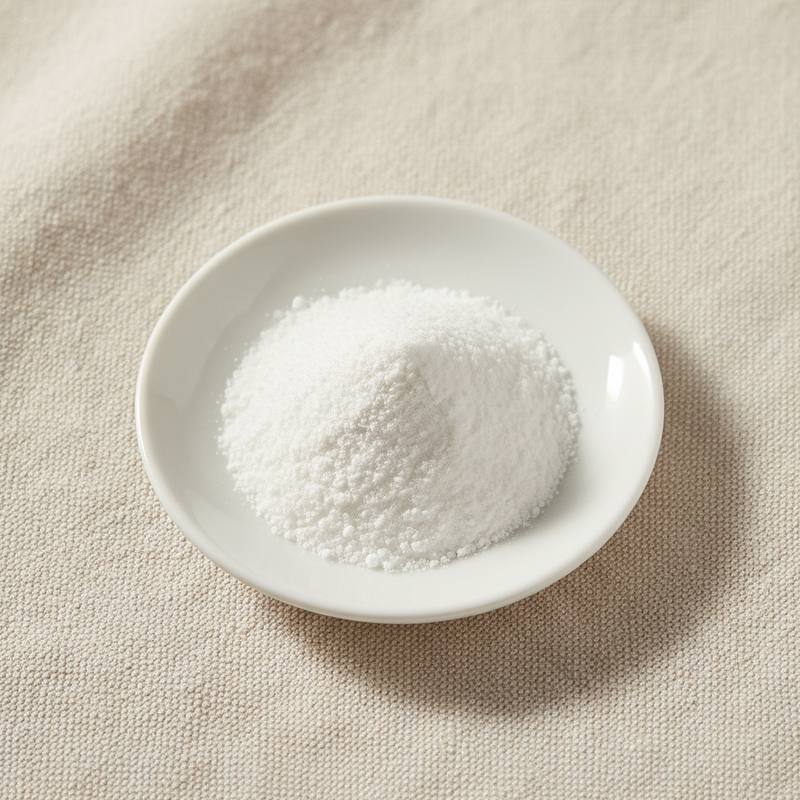
White to off-white free-flowing powder. The encapsulation system is typically modified starch, maltodextrin, or sodium caseinate, selected to suit the labelling and dietary positioning of the finished product. Stable through standard food-processing temperatures and shelf-life conditions.
We supply food-grade Phytosterol Ester Powder from manufacturers in China holding ISO, Halal, Kosher and other certifications relevant to the product and production. The phytosterol fraction is sourced from soybean oil deodoriser distillate or tall oil pitch (pine-derived) through partner consolidators, and esterified and microencapsulated in China to finished specification.
Common market grades include 60 percent sterol load on modified starch (the volume-market standard for cholesterol-lowering functional foods), 70 percent and 80 percent sterol load on milk-protein or starch carriers (premium supplement and tablet formats), and non-GMO and tall-oil-derived grades for clean-label and EU-market positioning.
Bulk and reduced-MOQ shipments. Batch-level COA covering total phytosterol content, individual sterol composition (beta-sitosterol, campesterol, stigmasterol, brassicasterol), fatty-acid esterification profile, heavy metals, and microbiology.
Introduction
Phytosterols were identified as cholesterol-lowering compounds in the 1950s and entered functional-food use in the 1990s with the launch of Benecol (sitostanol esters in margarine) and Take Control. Modern intake recommendations supporting cardiovascular health are typically 2 grams per day of free sterol equivalents.
Commercial supply originates from two principal source streams: soybean-oil deodoriser distillate (the byproduct of vegetable-oil refining, which delivers a mixed sterol composition rich in beta-sitosterol) and tall oil pitch (the byproduct of kraft paper-pulping, which delivers a slightly different sterol mix and supports non-soybean labelling positions). The free sterols are crystallised, esterified with food-grade fatty acids to improve oil solubility, and microencapsulated for powder finished forms.
Recognised as Generally Recognized as Safe by the U.S. FDA (GRAS), approved as a Novel Food in the EU, and approved as a Health Food monograph ingredient in China. The FDA permits a qualified health claim relating phytosterol intake to reduced risk of coronary heart disease at intakes of 1.3 grams per day of sterol esters (equivalent to 0.8 grams of free sterols).
The cholesterol-lowering mechanism is competitive displacement of dietary and biliary cholesterol from mixed micelles in the small intestine, reducing cholesterol absorption by 30 to 50 percent at typical intakes. The resulting LDL reduction is approximately 8 to 10 percent at 2 grams per day of free sterol equivalents, an effect comparable to a low-dose statin without the pharmaceutical regulatory profile.
The free versus ester debate is a longstanding specification consideration. Free sterols crystallise out of oil systems at low temperatures; esters retain solubility through normal refrigeration and support broader food-application use. The two forms deliver equivalent clinical efficacy on a free-sterol-equivalent basis.
Where it is used
- Cholesterol-management functional foods including spreads, yogurts, and milk drinks; the largest commercial application by volume globally
- Cholesterol-management dietary supplements in tablet and softgel formats
- Cardiovascular-support and lipid-management formulations
- Bakery and confectionery fortification with sterol claims
- Meal-replacement powders and breakfast cereals
- Sports nutrition products with cholesterol and recovery positioning
- Nutritional bars and snack products with heart-health claims
- Veterinary nutrition for senior dog cardiovascular support
- Cosmetic skin-barrier formulations using sterol fractions
Technical data
| Item | Specification |
|---|---|
| Appearance | White to off-white free-flowing powder |
| Total phytosterol esters | ≥ 60.0% (70%, 80% grades available) |
| Free sterol equivalents | ≥ 35.0% (calculation basis) |
| Beta-sitosterol | ≥ 40% of sterol fraction |
| Campesterol | 20% to 30% of sterol fraction |
| Stigmasterol | 15% to 25% of sterol fraction |
| Moisture | ≤ 5.0% |
| Heavy metals (as Pb) | ≤ 2 mg/kg |
| Microbiology | Total plate count ≤ 10,000 CFU/g; absence of Salmonella and E. coli |
| Carrier system | Modified starch, maltodextrin, or sodium caseinate per customer specification |
Related ingredients
Ready to discuss business?
Send us your spec and requirement. We will respond with availability and pricing within 24 hours.