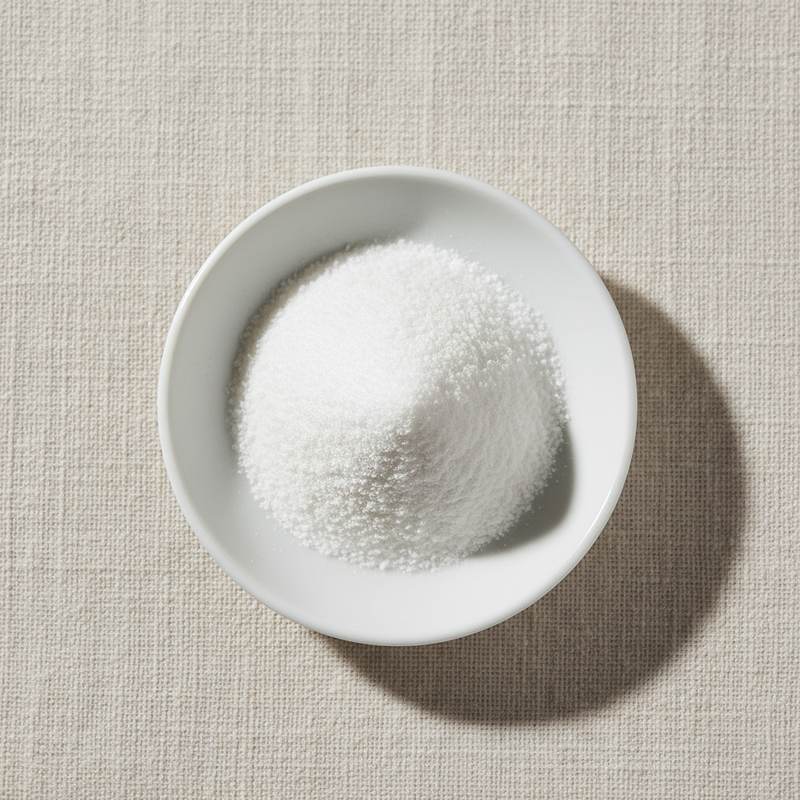
Description
Free plant sterols (predominantly beta-sitosterol, campesterol, and stigmasterol) recovered from vegetable-oil deodoriser distillate or tall oil pitch. The free-sterol form is the standard input for downstream esterification, microencapsulation, and direct tablet or capsule fill, and the basis on which all regulatory and clinical claims are expressed.
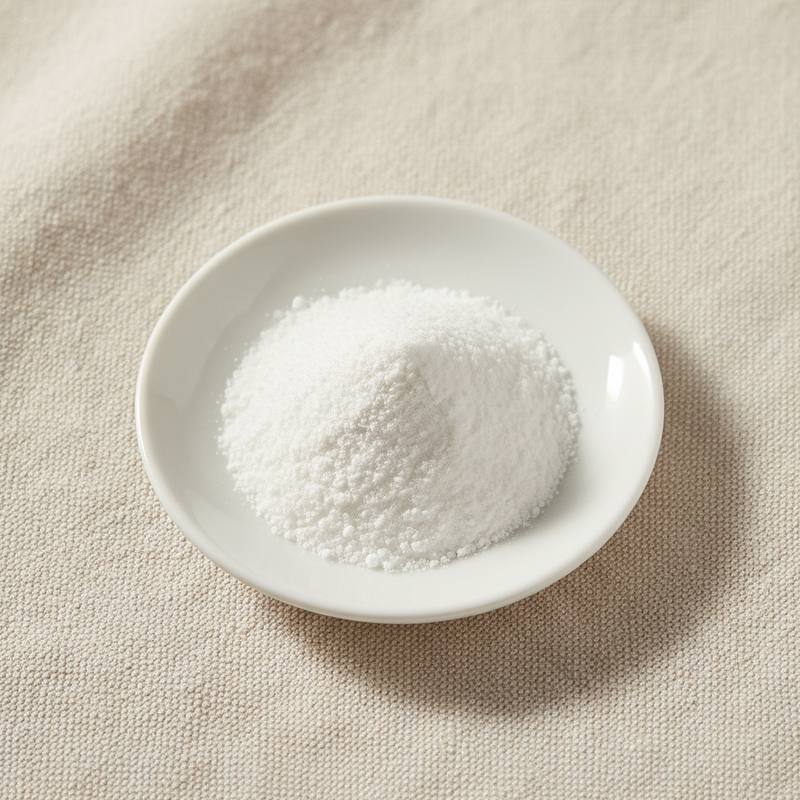
White to off-white fine powder. The natural composition is a mixed-sterol blend with beta-sitosterol typically at 40 to 50 percent of the sterol fraction. Practically insoluble in water; sparingly soluble in oils. Melting range above 130 °C; thermally stable through standard food-processing.
We supply food-grade Phytosterols from manufacturers in China holding ISO, Halal, Kosher and other certifications relevant to the product and production. Both soybean-derived (the volume-market standard) and tall-oil-derived (non-soy, supporting allergen-free labelling) grades are available, with non-GMO certification on request.
Common market grades include 95 percent total phytosterols (the supplement and food-fortification standard), 90 percent beta-sitosterol enriched (for prostate-health and specialty supplements), beta-sitostanol grades (the saturated sterol used in Benecol-style functional foods), and customised sterol blends to match specific clinical claim profiles.
Bulk and reduced-MOQ shipments. Batch-level COA covering total phytosterol content, individual sterol composition by GC, fatty-acid impurity profile, heavy metals, and microbiology.
Introduction
Phytosterols were first identified in the early twentieth century and characterised as structural homologues of cholesterol with comparable membrane functions in plants. The cholesterol-lowering activity was first demonstrated clinically by Pollak in 1953, with broad commercial use developing through the late twentieth century as functional foods and supplements.
Industrial supply is dominated by two source streams. Vegetable-oil deodoriser distillate (predominantly soybean) is the volume-leading source, with sterols recovered by molecular distillation, crystallisation, and chromatographic purification. Tall oil pitch from the kraft paper-pulping process delivers a slightly different sterol composition and supports non-soybean labelling. Both source streams have been independently approved for food and supplement use.
Recognised as Generally Recognized as Safe by the U.S. FDA (GRAS for both free and esterified forms), approved as a Novel Food in the EU at intakes up to 3 grams per day, and approved as a Health Food monograph ingredient in China. The FDA permits a qualified health claim relating phytosterol intake to reduced risk of coronary heart disease.
The cardiovascular mechanism is well-established competitive displacement of cholesterol from intestinal mixed micelles, reducing cholesterol absorption and delivering an LDL reduction of 8 to 10 percent at 2 grams per day of free sterols. The prostate-health mechanism for beta-sitosterol specifically is less well understood and is supported by clinical evidence at doses from 60 to 200 mg per day.
Beta-sitosterol is the dominant individual sterol by mass in commercial phytosterol blends and serves as the marker compound for both regulatory specification and clinical-claim positioning. Beta-sitostanol (the saturated form, the active in Benecol functional foods) is a separate ingredient produced by catalytic hydrogenation and supplied to specialised customers.
Where it is used
- Cholesterol-management dietary supplements; capsule and tablet formats for the supplement channel
- Cholesterol-management functional foods; spreads, yogurts, and dairy fortification (with esterification typically required for oil-soluble incorporation)
- Prostate-health and BPH-support supplements; beta-sitosterol is the standardised active ingredient for this clinical application
- Cardiovascular-support and lipid-management formulations
- Anti-inflammatory and immune-support supplements at premium tiers
- Cosmetic and skin-care formulations for barrier-function support
- Pharmaceutical excipient applications in tablet manufacturing
- Veterinary nutrition for senior companion animals
- Industrial intermediate for steroid pharmaceutical synthesis
Technical data
| Item | Specification |
|---|---|
| Appearance | White to off-white fine powder |
| Total phytosterols (GC) | ≥ 95.0% |
| Beta-sitosterol | ≥ 40.0% of total sterols |
| Campesterol | 20% to 30% of total sterols |
| Stigmasterol | 15% to 25% of total sterols |
| Brassicasterol | ≤ 3.0% of total sterols |
| Loss on drying | ≤ 2.0% |
| Melting point | ≥ 130 °C |
| Heavy metals (as Pb) | ≤ 2 mg/kg |
| Microbiology | Total plate count ≤ 1,000 CFU/g; absence of Salmonella and E. coli |
Related ingredients
Ready to discuss business?
Send us your spec and requirement. We will respond with availability and pricing within 24 hours.